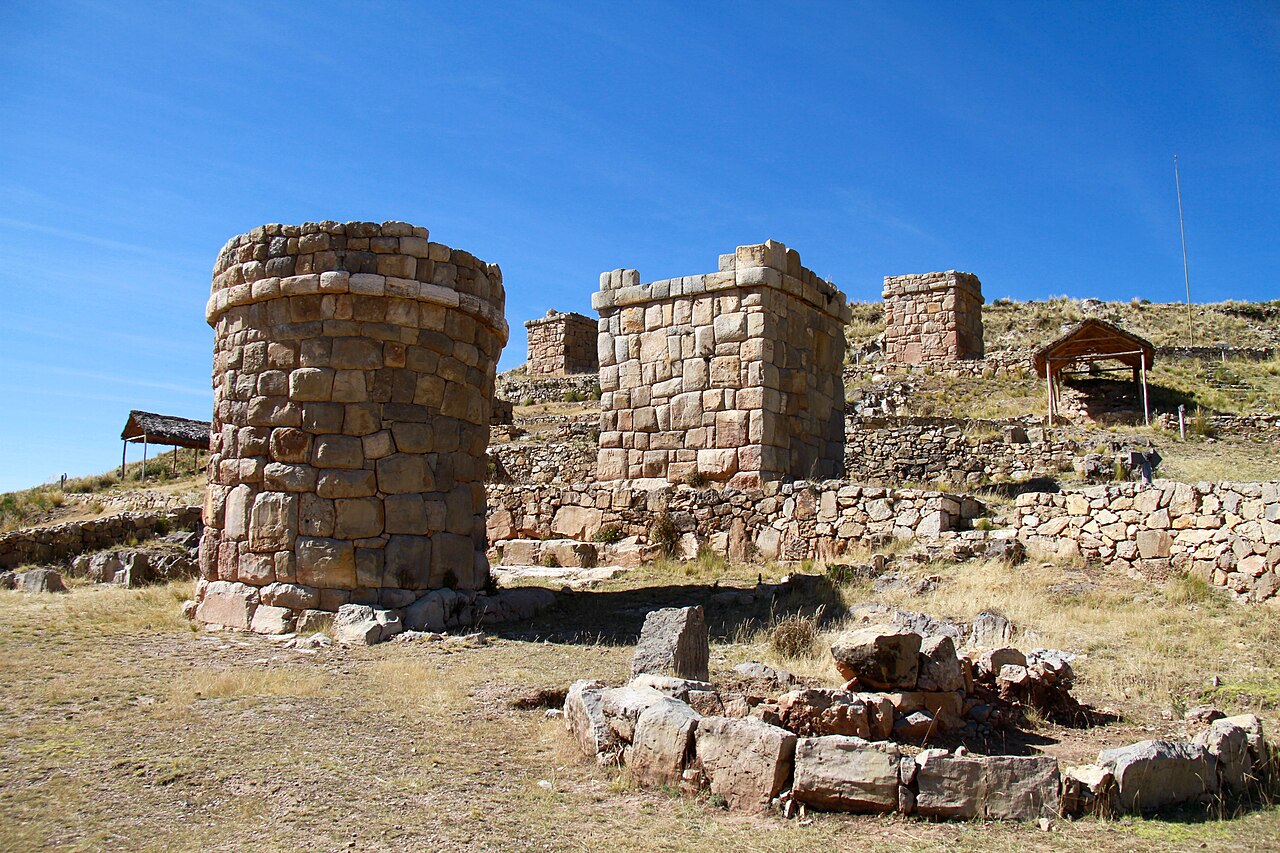
This full-day route heads northwest from Puno across the high plains, linking Sillustani with the colonial town of Lampa and the archaeological site of Pukara. Lampa, nicknamed the Pink City because of its rose-tinted buildings, has a large stone church with a replica of Michelangelo's Pieta and catacombs beneath the nave. Pukara is the center of an early highland culture that flourished before the Inca, with a small museum of carved stone figures and a ceremonial site on the hillside. Pukara is also associated with the ceramic bulls found on rooftops across Peru, which come from this region. The route runs through open grassland with herds of alpaca, llama and sheep, and passes villages where life continues at an unhurried pace.
Lampa
The town's Church of Santiago Apostol dominates a lively plaza and holds a large collection of religious art, as well as the replica of Michelangelo's Pieta, one of the more surprising sights in the region. Beneath the church, vaults hold historic remains, and guides usually explain the story of the town's colonial wealth and its once-prominent families. Around the plaza you can see low pink and white buildings, small shops and a market where local women sell vegetables and snacks. It is a quiet, comfortable stop for a walk and a coffee.
Pukara
The Pukara culture developed in the first centuries before and after the common era and influenced later highland societies, including Tiwanaku. The site museum shows carved stone monoliths, ceramics and tools, while the archaeological area on the hill includes terraces and stone structures. The hillside views across the plain are impressive. Pukara is also known for the handmade ceramic bulls called toritos de Pucara, which people hang or place on rooftops for protection and prosperity, and you can buy small ones as souvenirs in the village.
Planning the day
Expect a long day of around nine to ten hours with several stops, including Sillustani in some versions. Lunch is usually at a local restaurant in Lampa or Pukara. Wear layers, comfortable shoes and sun protection, and carry small soles for entry fees and purchases. The roads are generally good but the distances are real, so ask whether the tour is by shared minibus or private car.
Churches and museums may close on certain days, and itineraries change accordingly. This route suits travelers who are comfortable with a slower, cultural day and would like to see Peru's high plateau beyond the lake, and it pairs nicely with a lake day on another date.
The day rewards a curious approach. Ask your guide about the colonial history of Lampa, the way in which the Pukara culture influenced later highland societies and the meaning of the ceramic bulls that guard rooftops. If you like markets, allow time to walk around the plaza in Lampa and browse the stalls for local cheese, bread and handmade goods.
Because the route covers a lot of ground, bring snacks, a charged phone for photos and a neck pillow for the long drives. Dress in layers, as the high plain is cool in the morning and hot at midday, and keep a rain jacket in the bag during the wet season.
What to expect
The experience
A guided full-day road trip from Puno visiting Sillustani, the Pink City of Lampa and the Pukara museum and site, with lunch in a local restaurant.
Best time
Dry-season days from May to October for easier roads and clear skies.
How long
A full day, usually 9 to 10 hours.
Tips
Wear layers and comfortable shoes, carry small soles, and check which days the museum and churches are open.
Quick picks
- Best for
- Culture lovers who want to see the Quechua plateau and pre-Inca history.
- Families
- Suitable for older children who can handle a long day in the car.
- Couples
- A quiet, scenic route with a mix of history and landscape.
- Pair with
- A lake day at the Uros Islands, or Tinajani canyon on another day.
- Time needed
- A full day.
Good questions
Why is Lampa called the Pink City?+
Because many of its buildings are painted in rose and white tones around the plaza.
What is special about the Lampa church?+
It has a replica of Michelangelo's Pieta and catacombs beneath the nave.
What is Pukara known for?+
A pre-Inca culture, a small museum of carved stones and the ceramic bulls seen on Peruvian rooftops.
Is it a long day?+
Yes, usually nine to ten hours with several stops.
Is Sillustani included?+
Many versions of the route include it. Check the itinerary when you book.