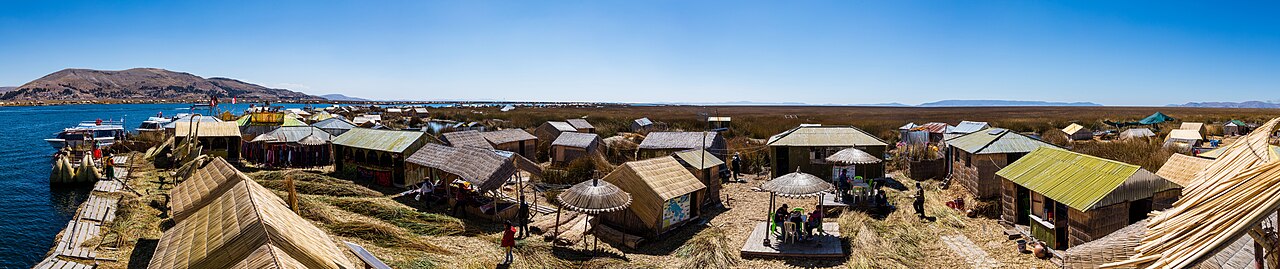
Puno's food is the food of the high plateau and the lake: potatoes in dozens of varieties, quinoa and other Andean grains, tender alpaca and rainbow trout from the cold water. It is hearty, warming and built for altitude, with fewer fancy restaurants than Cusco but plenty of honest, flavorful meals. This guide covers the dishes to try, where to look for them and how to eat comfortably at 3,830 meters.
Lake trout
Trucha is the signature fish, farmed in the lake and served fried, grilled, baked or as ceviche. Order it at lunch on the islands, where family restaurants serve it with rice, salad and potatoes, or in the town's trout restaurants. Fish from the lake itself, such as the native pejerrey, may also appear on menus. Check that the fish is freshly cooked and served hot.
Soups and stews
A bowl of soup is the standard start to lunch. Quinoa soup is light and nourishing, while chairo is a thick soup made from chuno, vegetables and meat, and caldo de cabeza or other broths appear in markets. These dishes are warming and easy on the stomach, which makes them ideal for your first day at altitude.
Potatoes and grains
Peru has thousands of potato varieties, and the Titicaca area is a heartland. Look for chuno and tunta, potatoes that have been frozen and dried by the cold nights, a technique that dates back centuries. Quinoa appears in soups, salads and porridges, and kiwicha and cañihua are other local grains. Try pesque, a creamy quinoa dish, and humitas or roasted corn with cheese as snacks.
Meat dishes
Alpaca is lean and tender, usually grilled as a steak or served in stews, and it is more widely available than you might expect. Lamb and pork appear in roasts and chicharron. Cuy, guinea pig, is a traditional dish for celebrations and is served in some restaurants, usually roasted whole, so ask if you are curious. For vegetarians, look for quinoa dishes, vegetable soups, potatoes with cheese and egg-based plates, and mention your needs clearly.
Markets and street snacks
The central market is the best place to see local produce, breads, cheeses and prepared dishes, and a guided food tour is a good way to begin. In the evening, street vendors sell grilled skewers, fried pastries, hot drinks and sweet snacks. Choose stalls with a steady line of locals, eat what is freshly cooked and avoid raw salads or ice if you have a sensitive stomach.
Drinks
Coca tea is served everywhere and many travelers find it helpful at altitude. Muña tea, made from a mint-like local herb, helps digestion. Emoliente, a warm herbal drink sold by street vendors, is common in the evening. Peruvian pisco sour is popular, but go lightly on alcohol at this altitude, especially on the first day, when it hits harder. Local beers are widely sold, and fresh juices are easy to find.
Eating at altitude
Start with lighter meals, eat smaller portions and drink plenty of water. Heavy, fatty dishes can be hard to digest when you are breathless. Use bottled or treated water, and be cautious with ice. If you feel unwell, rest, hydrate and seek medical advice if symptoms are severe. By day two or three, most travelers are ready for a big plate of trout and potatoes.
Where to eat
Restaurants cluster around the Plaza de Armas and Jiron Lima, with offerings from classic Peruvian dishes to pizza and pasta, and some places serve live folk music in the evening. Many hotels have good restaurants, including those on the lake side. On island tours, lunch is usually included and simple but fresh. Reservations are rarely needed, except during the Candelaria festival, when busy places book out.
A few ordering tips
Many restaurants offer a set lunch, called a menu, with a soup, a main course and a drink at a modest price, which is a good way to try local dishes. Ask for aji, the spicy sauce, on the side, since the heat varies. Tipping of about ten percent is common in sit-down restaurants, and cash in soles is useful in markets and small places. If you want a quieter meal, avoid the busiest hours around the plaza, and during festivals reserve ahead for dinner.