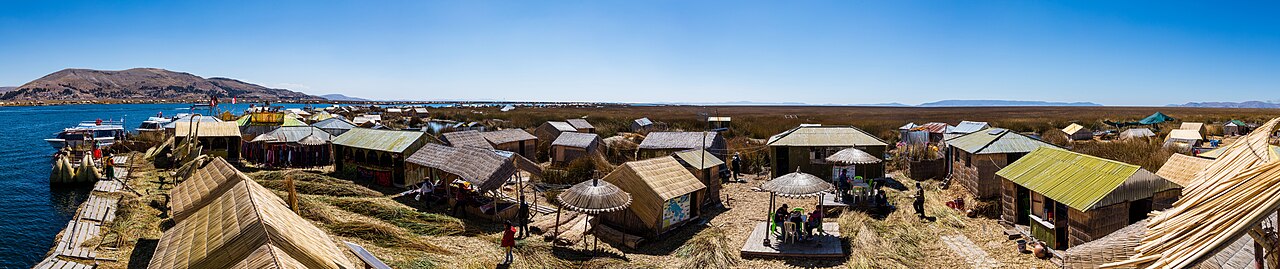
Lake Titicaca is a year-round destination, but the experience changes with the seasons. Puno's altitude means the days are sunny and the nights cold nearly all year, while the main difference is between a dry season and a wet one. This guide explains what to expect in each, when the festivals fall and how to plan around the weather.
Dry season, May to October
This is the high season and the best time for most travelers. Skies are clear and deep blue, the air is dry and views of the lake and surrounding mountains are crisp. Roads are in good shape and boat trips run smoothly. The downside is the cold: nights are freezing, especially in June, July and August, when temperatures can fall well below zero, and homestays on the islands can be very cold. Days are sunny, and the sun is intense. Book tours and hotels ahead, especially from June to August.
Wet season, November to March
Rain arrives mostly in the afternoons and evenings, with occasional storms, and the landscape turns green. Temperatures at night are a little milder, but days can be cloudy. Boat trips still operate, though wind and storms occasionally cause delays. Many travelers find the wet season quieter and cheaper, and photographers enjoy the dramatic clouds. Plan outdoor activities in the morning and keep a rain jacket handy. Roads can be affected by heavy rain in remote areas.
Shoulder months
April and the weeks around October and November can offer a good balance, with fewer visitors and reasonable weather, though conditions can change quickly. If you are flexible, aim for April, early May or October.
Festivals
The great event of the year is the Virgen de la Candelaria festival in early February, centered on 2 February, with parades, brass bands and thousands of costumed dancers. It is spectacular but fills every hotel, so book many months ahead. Other celebrations include Puno Week in November, which commemorates the legendary founding of the Inca empire at Lake Titicaca, and religious festivals in villages throughout the year. Ask your hotel about local events during your stay.
Weather and tours
Lake tours operate year-round, but mornings are best in any season because winds rise in the afternoon. Kayaking and cycling are most comfortable in the dry season. Hiking at Taquile and Amantani is easier when the ground is dry. Day trips to Tinajani, Lampa and Pukara and the Colca Canyon are more reliable from May to October. Sillustani is atmospheric at any time, though wet-season clouds can hide the light.
Altitude and cold
The altitude does not change with the seasons, so the advice is the same all year: arrive rested, drink water, eat lightly and sleep warm. In winter, bring a warm hat, gloves, thermal layers and a good sleeping layer for homestays. In summer, bring a rain jacket, waterproof shoes and a warm fleece. At any time, sunscreen is essential.
Choosing your dates
For clear skies and the best conditions, go from May to September. For festivals and culture, choose early February and book very early. For quiet streets and green landscapes, pick the wet season. If you are combining Puno with Cusco and Machu Picchu, align your dates with the dry season, since Machu Picchu is also at its best then, and the Inca Trail is closed in February.
Packing by season
For the dry season, pack thermal layers, a warm hat, gloves, a windproof jacket, sunscreen with a high factor, lip balm, sunglasses and a good sleeping layer for homestays. For the wet season, add a waterproof jacket, quick-drying trousers, waterproof footwear and a small pack cover. In both seasons, bring a reusable water bottle, a head torch and small notes in soles. Pack light for island trips, since you will carry a small bag up steps and paths, and leave the rest at your hotel.
How the seasons change the experience
On a clear dry-season day, the lake is a deep, almost violet blue and the islands stand out sharply, which delights photographers. In the wet season, the light is softer and the hills turn green, with towering clouds building over the water, and the lake can feel moody and dramatic. Crowds are thinner and prices a little lower. Neither is wrong, and travelers who value comfort and predictability will prefer the dry months, while those who prize quiet and color may enjoy the rains.