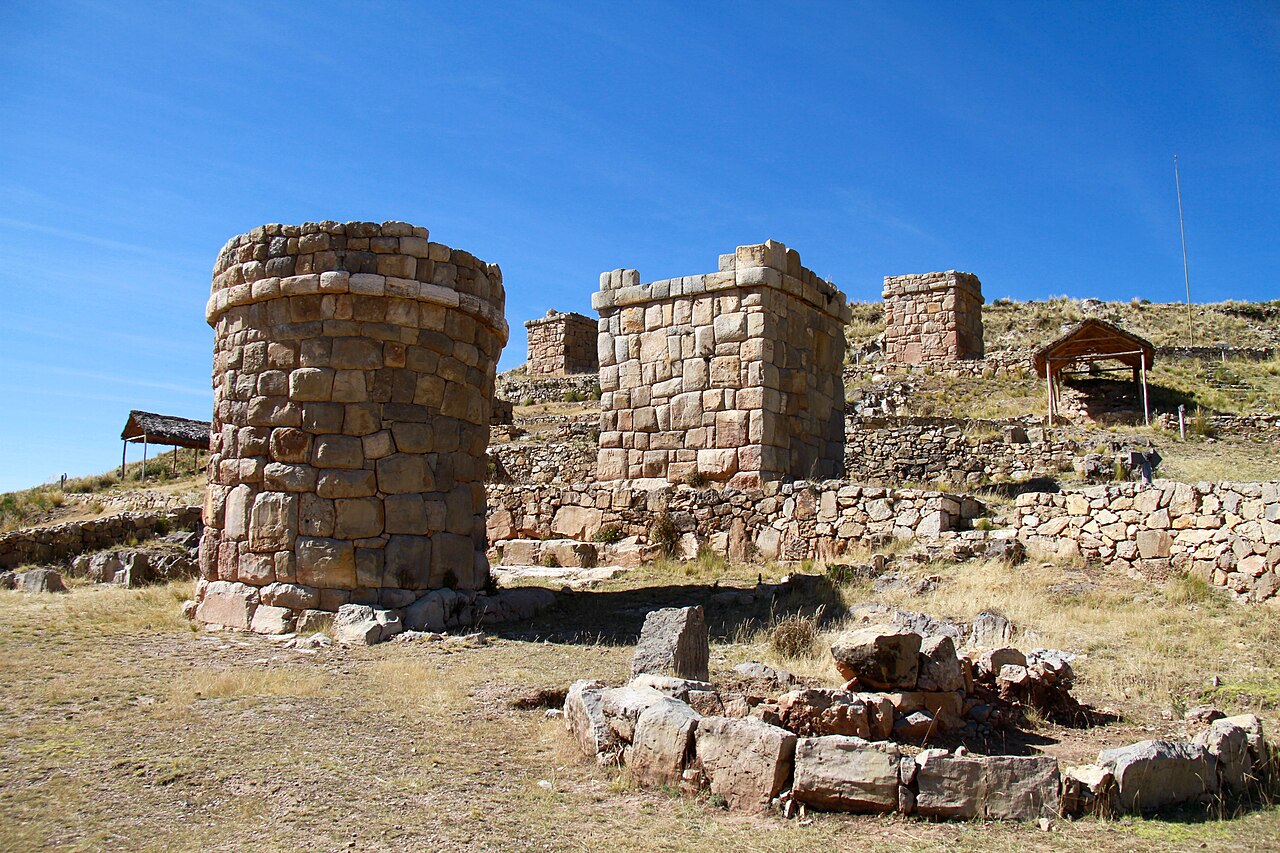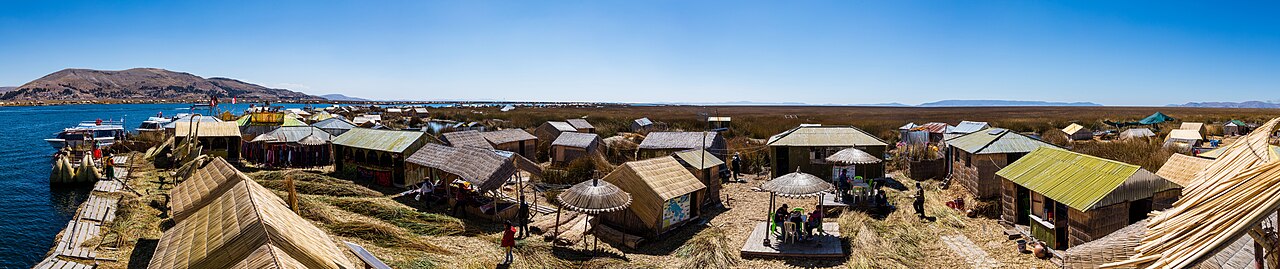
Puno is a highland city on the northwest shore of Lake Titicaca, and it is the gateway to the Peruvian side of the world's highest navigable lake. At about 3,830 meters above sea level, it is a place of reed islands, Quechua and Aymara communities, burial towers, colonial churches and big skies. Most first-time visitors come for two or three days, see the Uros and Taquile, perhaps stay a night on Amantani and then move on to Cusco or Arequipa. This guide covers what to book, how to move around and what to expect.
What to book ahead
Book the main lake tours before you arrive in the dry season from May to October and around the Candelaria festival in early February. The classic options are the half-day Uros trip, the full-day Uros and Taquile tour and the two-day Uros, Amantani and Taquile trip with a homestay. Sillustani is an easy half-day add-on that rarely sells out, but small-group and private tours fill faster than shared ones. Kayaking, cycling and the Colca Canyon two-day trip are worth reserving a few days ahead. Everything else, including the viewpoints and the city center, needs no booking.
How many days
Two full days is the minimum and three is comfortable. A simple plan is a gentle first day in Puno, with the city tour, the viewpoints and a food tour, then a full day or a two-day trip to the islands, then Sillustani or the Aymara Route on a third day. If you add Lampa and Pukara, Tinajani canyon or the Colca Canyon, allow four or five days. Travelers who combine the lake with Cusco, Machu Picchu and Arequipa often give Puno only one night, which is possible but means you will see little more than the Uros.
Getting there
Most visitors fly into Juliaca airport, about 45 kilometers north of Puno, with flights from Lima, Cusco and Arequipa. A shared minibus or taxi from the airport to Puno takes about an hour, and private transfers are easy to arrange in advance. From Cusco, the daytime tourist bus known as the Route of the Sun is a scenic ten-hour journey with sightseeing stops, and night buses and public buses also run. From Arequipa the road crosses high plateau, and some travelers combine the trip with the Colca Canyon. From Bolivia, buses and tours cross at the border near Copacabana, and the Bolivian side of the lake is covered in our Bolivia guides.
Altitude
This is the most important practical issue. Puno sits at around 3,830 meters, the islands go higher, with Taquile and Amantani above 4,000 meters, and Sillustani and the mountain passes climb even more. Many visitors feel breathless, tired or headachy on the first day. Take it easy, drink water, eat lightly, avoid alcohol and consider spending a night in the Sacred Valley or Cusco region before arriving, or a day in Arequipa, to acclimatize. Coca tea is offered everywhere and many people find it helpful. If you have a medical condition, talk to a doctor before you travel about altitude medication, and if you feel seriously unwell, descend and seek care.
Money and practicalities
Carry small notes in Peruvian soles. Island entry fees, reed boat rides, handicrafts, tips and many small restaurants are cash only, and there are no cash machines on the islands. Bring layers, because mornings and nights are cold even in sunny weather, plus a hat, sunglasses and strong sunscreen, since the sun at this altitude burns quickly. A head torch is useful for homestays, and a refillable bottle helps with the dry air. Tap water is not drinkable, so use bottled or treated water.
Culture and respect
The islands and villages are homes, not stages. Ask before photographing people, buy crafts directly from families and follow your host's advice on customs. Many communities run tourism cooperatively, so tipping guides and hosts helps. Learn a few words of Spanish, and if you are curious about Quechua or Aymara greetings, guides are happy to teach you.
Weather and seasons
The dry season from May to October has sunny days and very cold nights, with temperatures dropping below freezing in June and July. The wet season from November to March brings afternoon showers and greener landscapes. Weather can change fast, so carry a rain layer at any time, and check boat conditions with your operator, since strong wind can delay or cancel crossings.
Safety and current advice
Puno and the surrounding region are generally calm for visitors, but road blockades and strikes occasionally occur in the highlands and can disrupt buses, flights and airport transfers with little notice. Leave a buffer day before international departures, follow local news, check your own government's latest travel advice before booking, and keep valuables close in markets and crowded areas. Use taxis arranged by your hotel at night. Above all, leave room in your schedule. The lake rewards slow travel, and a spare day can turn a delay into a gift.