Three days is enough to see the highlights of Puno and Lake Titicaca without rushing, as long as you respect the altitude. This itinerary starts gently, spends one full day on the lake and one on the mainland, and leaves room for rest. Swap the days to suit your tours, and add a night on Amantani if you have a fourth day.
Day one: settle in and see the city
Arrive in Puno, drop your bags and rest. After a light lunch, take a half-day city tour or walk the center yourself, starting at the Plaza de Armas and the cathedral and strolling along Jiron Lima. Climb gently to the Huajsapata viewpoint or take a taxi to Kuntur Wasi for the late-afternoon view over the bay. Keep the pace slow, drink water and avoid heavy meals or alcohol. For dinner, try lake trout or a quinoa soup at a local restaurant, or join an evening food tour if you feel well. Go to bed early, since a boat trip is next.
Day two: the islands
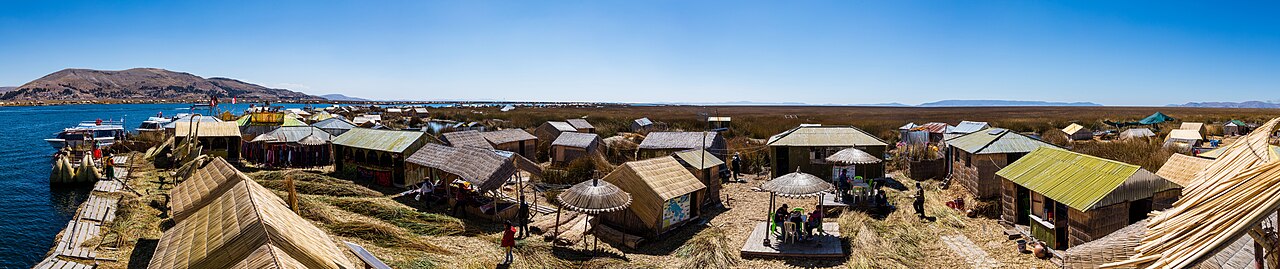
Take the full-day tour to the Uros and Taquile islands. Boats leave the harbor in the morning, and the Uros come first, about half an hour out, where you see the reed islands, meet a family and ride a reed boat. Then continue to Taquile, with the climb to the plaza, a trout lunch and time in the textile cooperative. Speedboats shorten the crossing, while slower boats take around three hours each way. Wear layers, a hat and sunscreen, carry small soles and bring water. You return to Puno in the late afternoon, tired and sunburned, with some of the best photographs of the trip.
Day three: Sillustani and the countryside
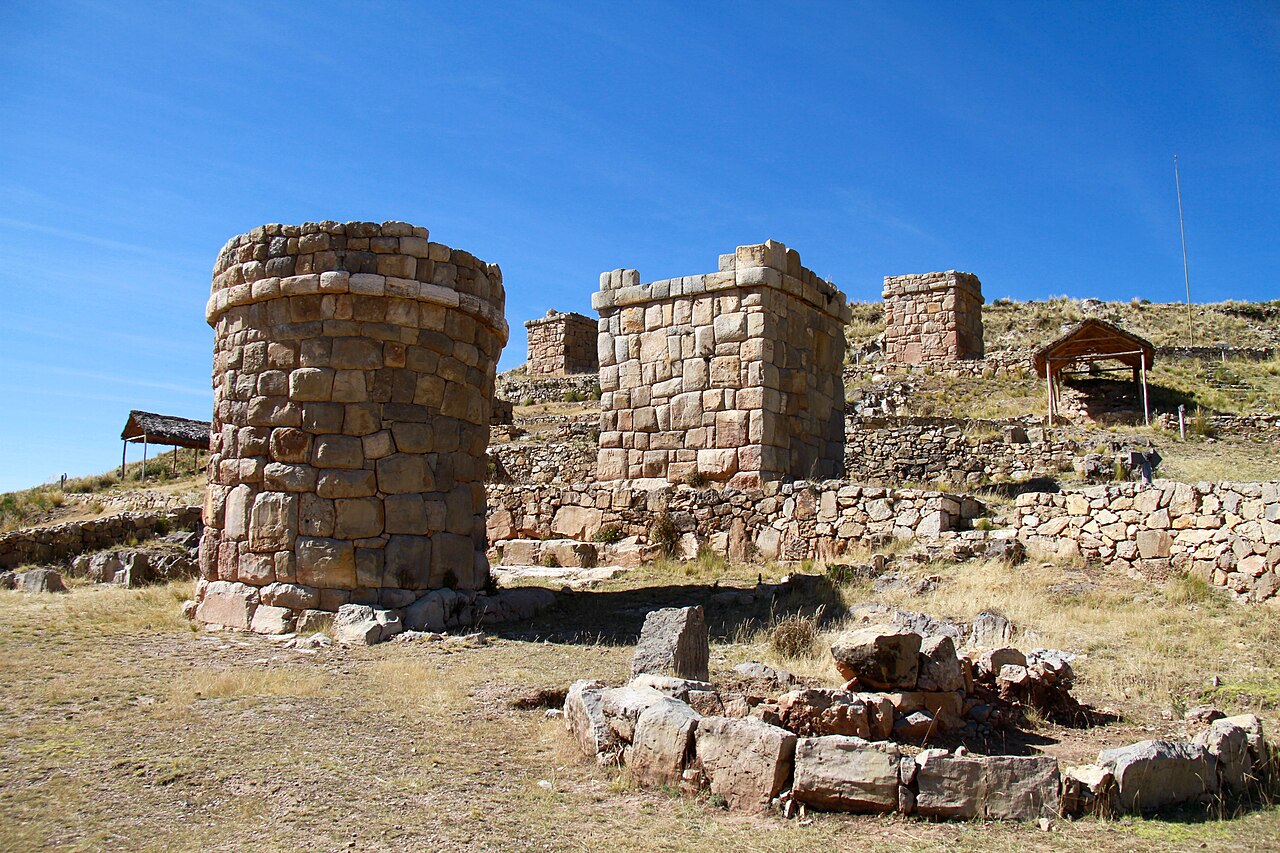
Take a half-day tour to Sillustani in the afternoon, when the light on the burial towers is warm. If you have a morning free, add a visit to a market or the Carlos Dreyer museum, or a short Chucuito trip. For a more active day, replace the afternoon with a kayak outing or a guided bike ride along the shore. Return in time for a sunset drink, a walk and a final dinner. If your onward trip is the next morning, arrange the transfer to Juliaca airport or the bus to Cusco ahead of time.
If you have a fourth day
Choose between an overnight on Amantani, which adds the homestay and sunset climb, the Aymara Route with Chucuito and Juli, or the Lampa and Pukara day. The Colca Canyon two-day trip makes a strong finish if you are heading to Arequipa. Aymara Route travelers can also add Aramu Muru, the carved portal near Juli.
If you only have two days
Do the city walk and viewpoints on the afternoon you arrive, then take a full-day Uros and Taquile tour the next day. If you need to choose between Taquile and Sillustani, pick the islands unless you have already seen them. A half-day Uros trip plus Sillustani works for a very short stay.
Seasonal adjustments
In the dry season from May to October, mornings are clear and boats run smoothly, but nights are very cold. In the wet season from November to March, afternoons can bring rain and wind, so do the boat trip in the morning and keep the afternoon flexible. During the Candelaria festival in early February, rearrange the plan around the parades and book everything far ahead.
Pace and altitude
Do not pack too much into the first day, and keep one afternoon free in case you need rest. Eat lightly, hydrate and use coca tea if it helps. On the second day, the climb on Taquile is the hardest part, so take it slowly and let others pass. If you feel unwell, tell your guide and rest. The point of the trip is not to tick everything off but to feel the scale of the lake, and a slow day often leaves the strongest memory.
Getting the logistics right
Book the island trip and Sillustani with a reputable operator, ask your hotel to confirm pickups the night before and keep small soles for fees and tips. Carry a daypack with water, a rain layer, sunscreen, a hat, snacks and a small first-aid kit. Charge your phone and camera each evening, and download offline maps before heading to the islands. A flexible attitude pays off, since weather, wind and boat schedules can shift, and a calm response to small changes keeps the days enjoyable.