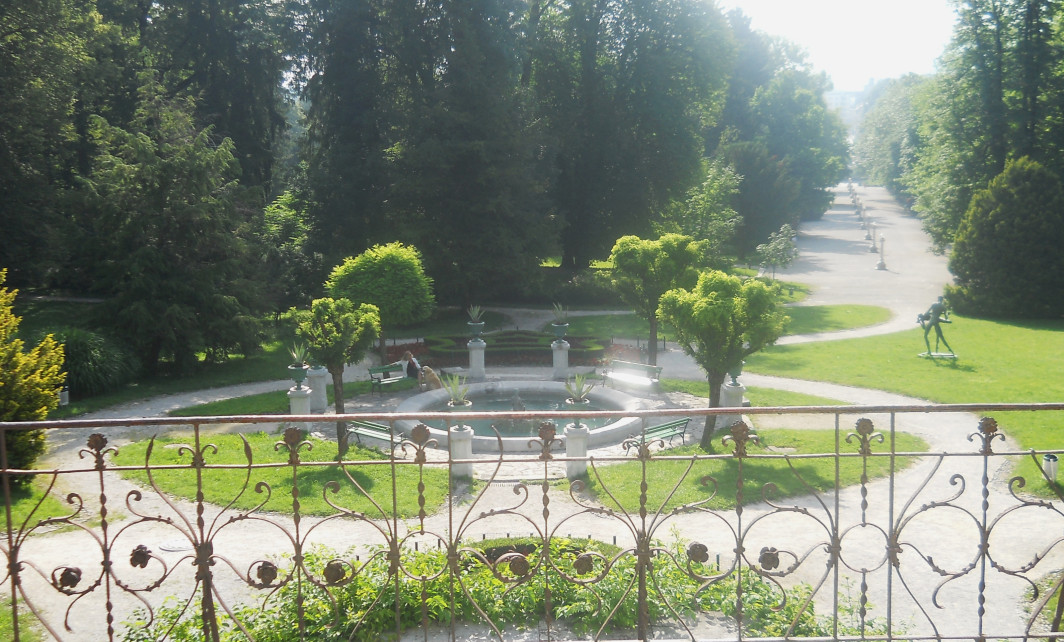
The University Botanic Garden of Ljubljana was founded in 1810, during the French Illyrian Provinces, and is among the oldest botanic gardens in Southeast Europe still in continuous use. It lies on the banks of the Ljubljanica river on Ižanska cesta, about twenty minutes on foot south of the old town, in a green pocket of the city that most tourists never see. The collection covers several thousand plant species, arranged by region and habitat across a compact site: shaded paths, ponds, rock gardens, a large collection of Alpine and Karst plants that shows off Slovenia’s remarkable flora and glasshouses that hold tropical and subtropical species through the cold months. The garden is as much a place for resting as for studying, and local residents use it daily for reading, walking and quiet time. There is a scent garden, a rose garden, a collection of medicinal plants and a number of fine old trees, including some that predate the modern city plan. In spring the beds are full of bulbs and flowering shrubs, in summer the water lilies and herbaceous borders peak, and in autumn the trees put on a colourful display. Labels and informative displays help visitors learn about the plants, and the setting by the river gives the garden a calm, spacious feel.
How to visit
The easiest route is a pleasant walk along the river from the centre, passing the Trnovo district and Plečnik’s Trnovo Bridge; allow twenty to thirty minutes. A taxi or city bus will also get you there if you prefer. Opening hours and admission arrangements vary with the season, so check the garden’s own website before you go and note that the glasshouses may follow a separate timetable.
What to expect
Allow one to two hours for a thorough visit, or less for a quick stroll. The Alpine and Karst sections are the highlight for visitors keen to see Slovenian mountain plants such as edelweiss, gentians and other species that you might otherwise need a hike to find. The tropical glasshouses are a warm refuge on a cold day, and the lawns and benches are ideal for a picnic or a break.
In spring and early summer, the garden is at its most colourful, while autumn brings golden leaves and quiet paths. Visitors with a keen interest in botany can follow the labels in detail, while others will simply enjoy the shade and the birdsong.
Making the most of it
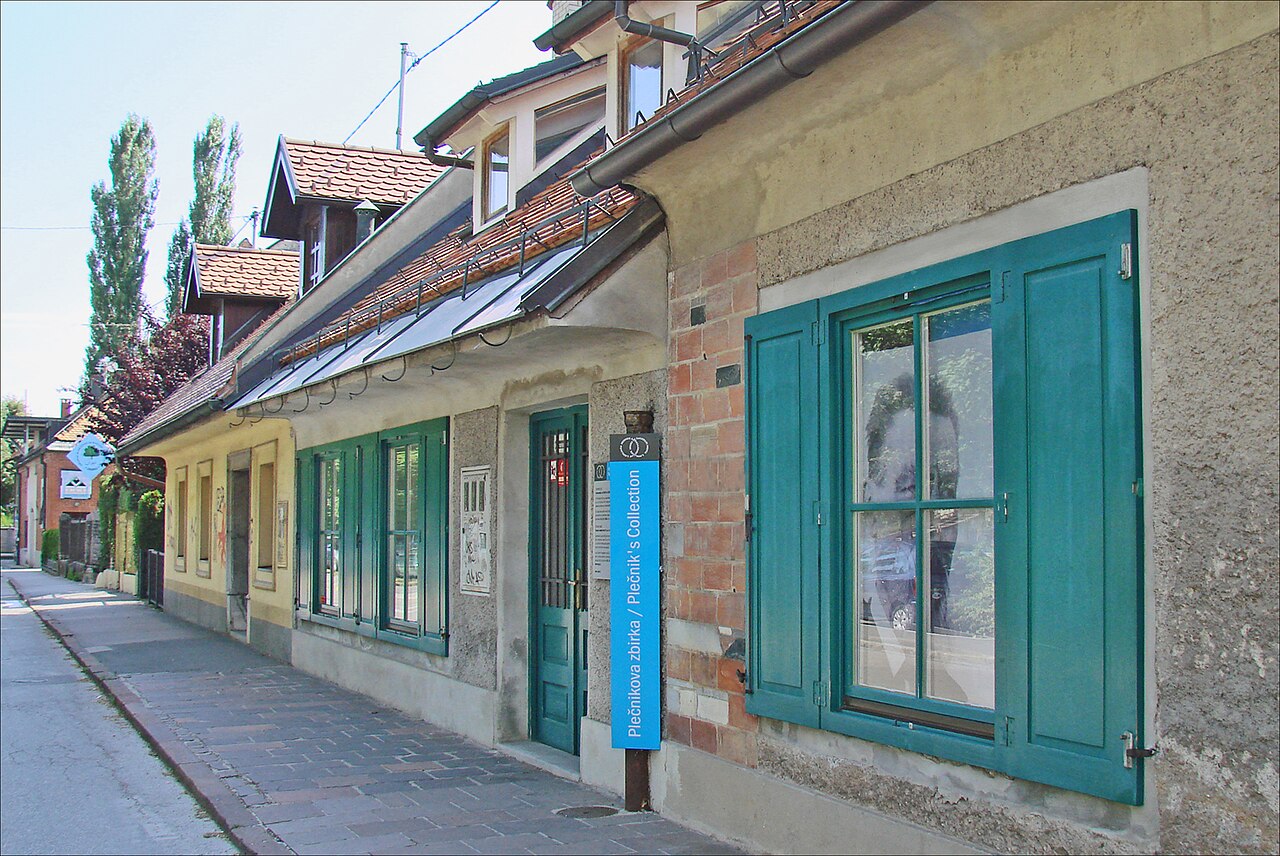
Combine the garden with Plečnik House, which lies in the same direction, and make a half-day of the Trnovo district, with its church, its bridge and its quiet streets. Bring a book and a snack, take your time and treat the garden as a counterweight to the busier sights. It is a good option for families who need a break, for rainy days when the glasshouses offer shelter and for travellers who prefer green spaces to museums.
A visit is rarely crowded, which is a rare luxury in a capital city in high season. Because the garden is a living collection, what is in flower changes from week to week, so each visit feels slightly different, and the staff and signs are generally happy to point out the highlights of the season.
What to expect
The experience
A self-guided walk through themed plant collections, Alpine and Karst beds, ponds and tropical glasshouses beside the river.
Best time
Spring for blossom and bulbs, early summer for colour, or any cold day for the glasshouses.
How long
One to two hours.
Tips
Check seasonal hours and admission on the garden’s own site, and bring a picnic for the lawns.
Quick picks
- Best for
- A calm, green break from the busy old town.
- Families
- Plenty of space for children to run, with ponds and glasshouses to explore.
- Couples
- A quiet riverside stroll, easy to pair with Plečnik House.
- Pair with
- Plečnik House, Trnovo Bridge and Tivoli Park.
- Time needed
- One to two hours.
Good questions
When was the Ljubljana Botanic Garden founded?+
In 1810, making it one of the oldest botanic gardens in Southeast Europe.
How far is the garden from the old town?+
About twenty minutes on foot, along the river through the Trnovo district.
Is there an entrance fee?+
Admission arrangements can vary with the season, so check the garden’s own website before you go.
Are the glasshouses open in winter?+
They are intended as winter refuges for tropical plants; check the current timetable because glasshouse hours can differ from the grounds.
Is the botanic garden good for children?+
Yes, there is space to roam, ponds, glasshouses and plenty of colour, and it is rarely crowded.