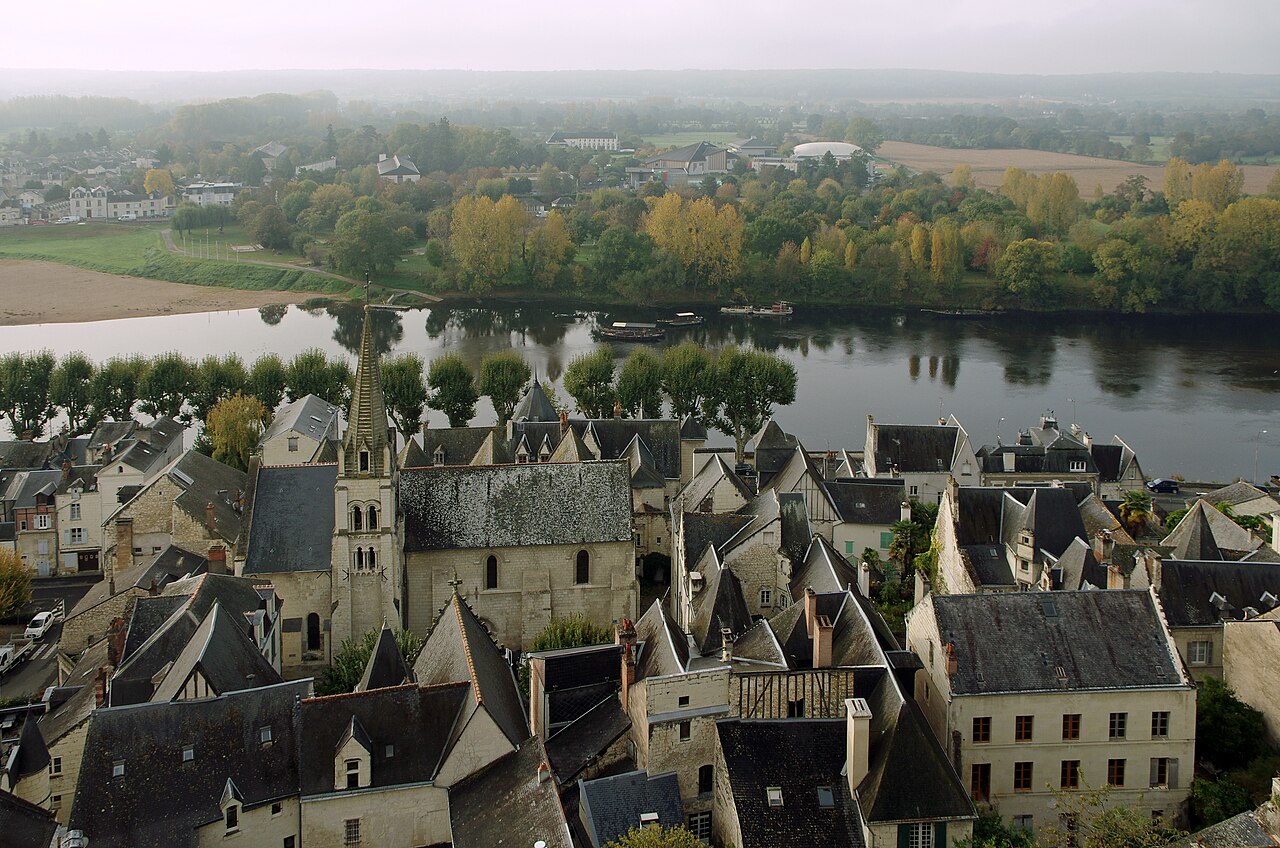
The Royal Fortress of Chinon is the Loire's great medieval stronghold, a long ridge of walls and towers above the River Vienne and the old town below. It is not one castle but three, separated by dry moats: the Fort Saint-Georges at the entrance, the Château du Milieu in the centre, and the Fort du Coudray at the far end. The place matters because of who passed through it. Henry II of England, the first Plantagenet king, held court here and died in the fortress in 1189. In 1429 Joan of Arc travelled to Chinon to meet the uncrowned Charles VII, and tradition says she picked him out of a crowded hall in the royal apartments, a meeting that set the French cause on a new course. Later the court moved on to the more comfortable châteaux downriver, and the fortress slowly decayed until a long restoration brought back the walls, the royal lodgings and the towers. Today the visit combines ruins and rebuilt rooms with exhibitions on the Plantagenets, Joan of Arc and the medieval court, and an augmented-reality tablet is available to show how the halls once looked. The fortress is about fifty kilometres from Tours, so it makes a good half-day or full-day excursion that pairs naturally with the Chinon vineyards and the lanes of the old town beneath the walls.
Plan the visit as a walk along the ridge. You enter through the Fort Saint-Georges, then cross to the Château du Milieu, where the royal apartments and the great hall stand. Only part of the great hall survives, a wall with a monumental fireplace open to the sky, but this is the room associated with Joan of Arc, and standing in it explains the scale of the meeting better than any plaque.
Rooms around it have been refurnished with banners, tables and exhibits that explain how the court lived, and the Clock Tower holds a museum devoted to Joan of Arc and the bell that still marks time over the town.
The far end of the ridge is the Fort du Coudray, the oldest part of the site and the quietest. Its tower is linked with the Knights Templar, who were held at Chinon in the early fourteenth century, and the carved graffiti attributed to the prisoners is one of the more haunting details of the visit. The ramparts and walkways give long views over the Vienne, the stone bridge and the rooftops of the town, and on clear days across the vineyards that produce the red wines of Chinon, made from Cabernet Franc.
Wear sturdy shoes, because the paths are uneven and the slope from the town is steep, and bring a layer, since the walls catch the wind.
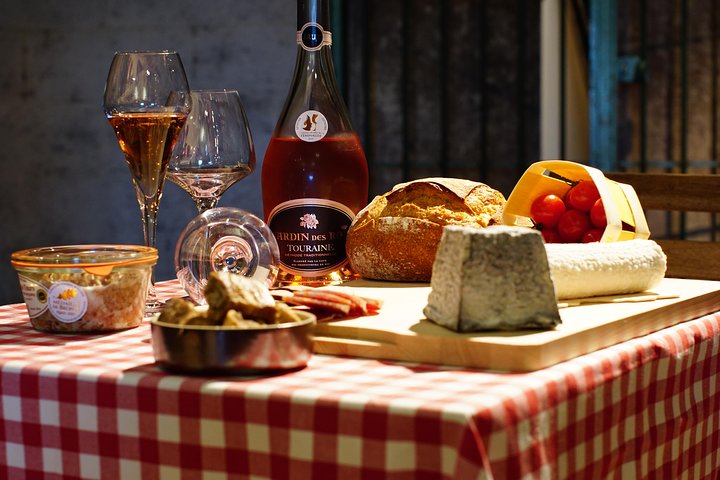
Chinon is best seen as a full excursion. Allow two hours or a little more for the fortress, then walk down into the old town, where half-timbered houses line the streets below the walls and Rabelais is remembered as a local son. Lunch in town and a tasting at a nearby cellar make a natural second half.
A car is the easiest way to reach Chinon from Tours or Amboise, and regional rail and road links exist if you prefer not to drive. Tickets can be bought in advance, with a version that includes the augmented-reality tablet, and the fortress keeps shorter hours in low season, so check the opening times for your date before you set out.
What to expect
The experience
A self-guided walk through three linked castles, the royal lodgings, the Clock Tower museum and the ramparts, with an optional augmented-reality tablet.
Best time
Morning on a dry day, when the light over the Vienne is clear and the paths are dry underfoot; spring and autumn are comfortable.
How long
Two to three hours for the fortress, plus time in the old town below.
Tips
Wear shoes with grip for the steep, uneven paths, bring a windproof layer and check the opening hours for your date, as low-season hours are shorter.
Quick picks
- Best for
- Medieval history lovers and anyone drawn to the Joan of Arc and Plantagenet story.
- Families
- Children enjoy the towers, ramparts and the tablet that rebuilds the halls; pushchairs struggle on the steep paths.
- Couples
- Walk the ramparts, then lunch in the old town and taste a Chinon red.
- Pair with
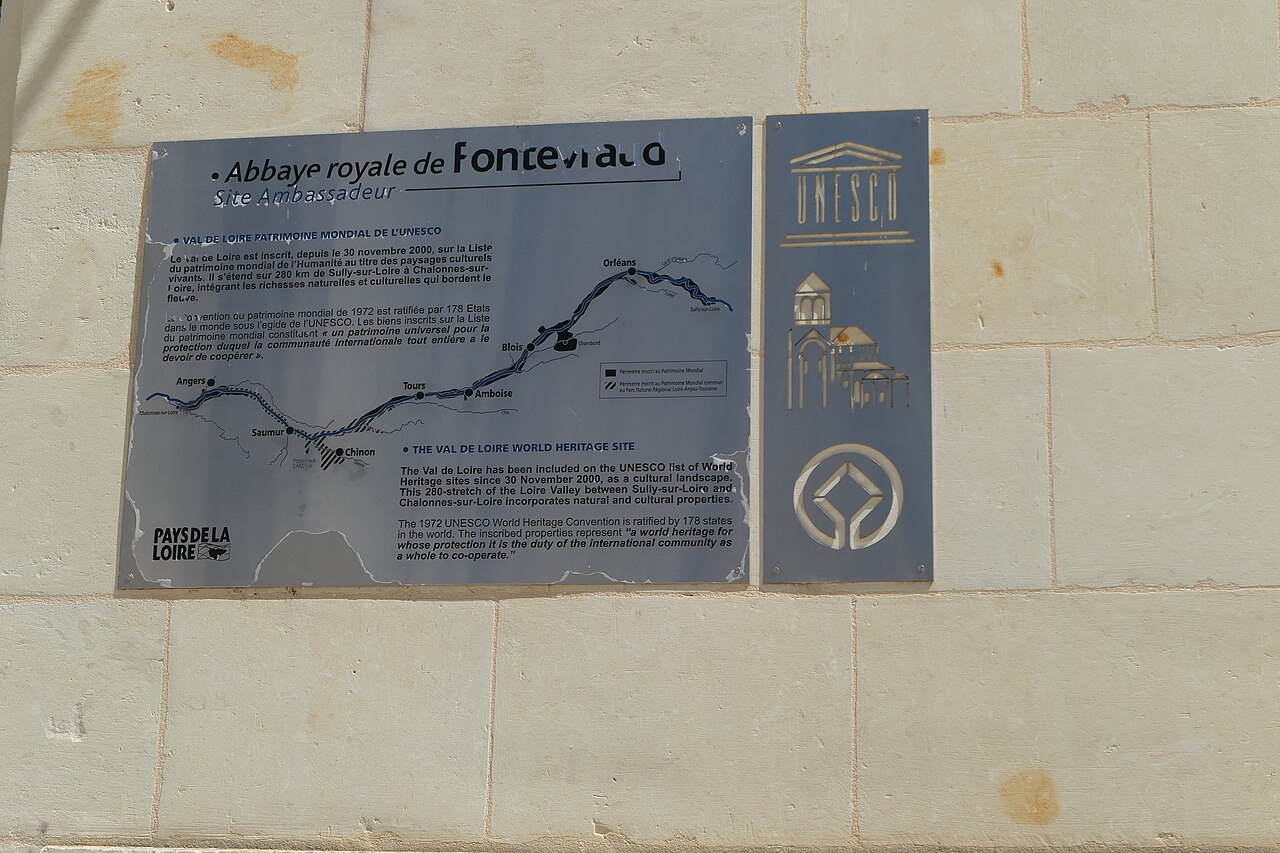
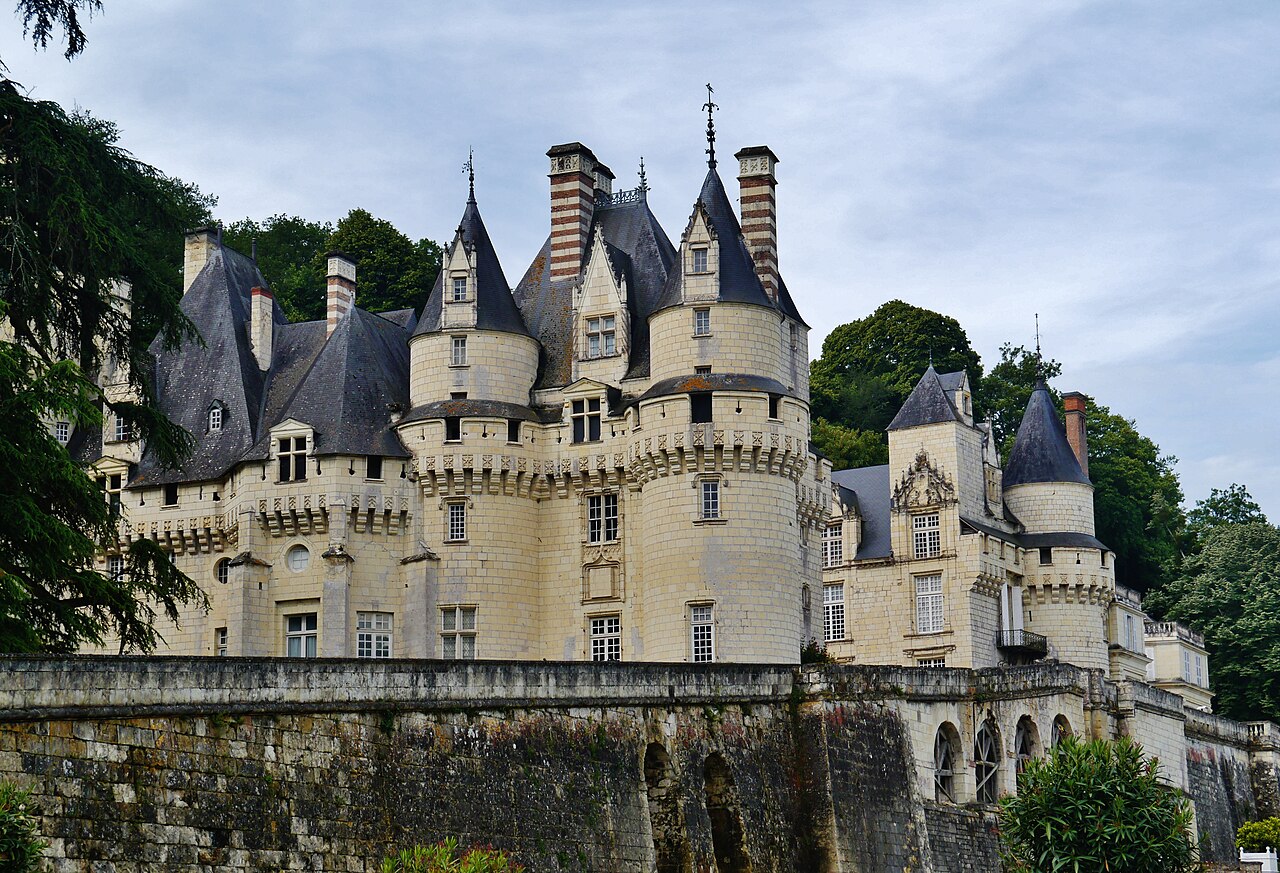
- A Chinon wine tasting, Ussé or Fontevraud Abbey on the same day.
- Time needed
- Half a day with the old town, a full day with a vineyard stop.
Good questions
Why is Chinon famous in French history?+
Joan of Arc came here in 1429 to meet the future Charles VII, and Henry II Plantagenet died here in 1189. The fortress was a key stronghold of the Plantagenet and French royal courts.
How far is Chinon from Tours?+
About fifty kilometres, roughly an hour by car. Regional rail and road links also serve the town, but a car makes combining the fortress with Ussé or Fontevraud much easier.
What is the augmented-reality tablet?+
It is an optional extra that shows reconstructions of the halls and towers as they once were. It is useful if you want to picture the lost rooms, and ticket options with and without it are sold.
How long should I allow?+
Two to three hours for the fortress is comfortable. Add an hour or two for the old town and a meal.
Is the site suitable for visitors with limited mobility?+
Parts are steep and uneven, with stairs and cobbles. Ask the fortress about access arrangements before you go.