Madagascar is large enough that the best time to visit depends on where you are going. The island has two broad seasons, a drier, cooler period roughly from April to October and a hotter, wetter period from about November to March, but the east, west, north and south all behave differently. This guide sets out the seasonal pattern, then matches it to the main sights so you can choose a window that fits your route.
The dry season, April to October
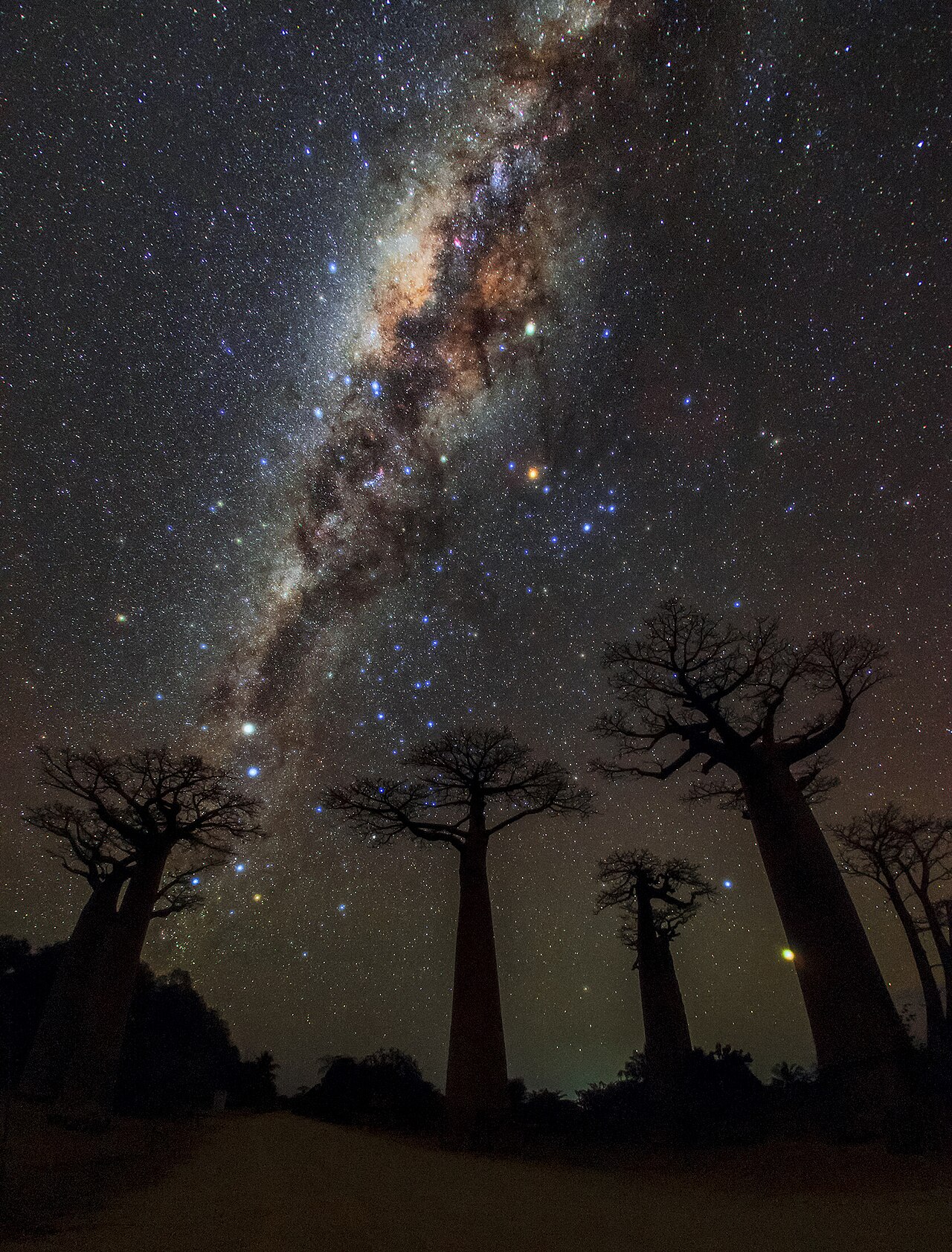
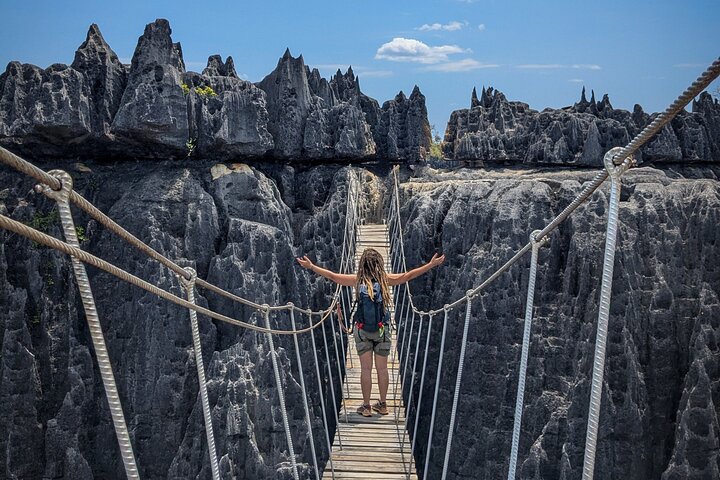
This is the most popular time for a first trip. Skies are clearer, roads are firmer, forest trails are drier and temperatures are comfortable for walking. The highlands, including Antananarivo and Antsirabe, are cool in the evenings and early mornings, so bring a warm layer. The west and south are dry and sunny, which suits the Avenue of the Baobabs, Kirindy forest and the sandstone canyons of Isalo. The Tsingy de Bemaraha is generally open only in the dry months, so it belongs in this window.
The wet season, November to March
Rain falls heavily in many regions, and the east coast can see tropical storms and cyclones, mostly in the early part of the year. Roads can turn to mud, flights and river crossings can be disrupted and some parks close. The wet months are not impossible for travel, and the forests are lush, waterfalls are full and baobabs turn green, but travel takes longer and flexibility is essential. If you visit in the wet season, plan fewer remote stops, allow spare days and avoid the Tsingy.
Shoulder months
April and May bring green landscapes after the rains with fewer crowds, and October and November are warm with the first showers. These months can be rewarding for travellers who value quiet trails, but conditions can vary from year to year, so ask your operator about access before you commit to remote areas.
Wildlife by season
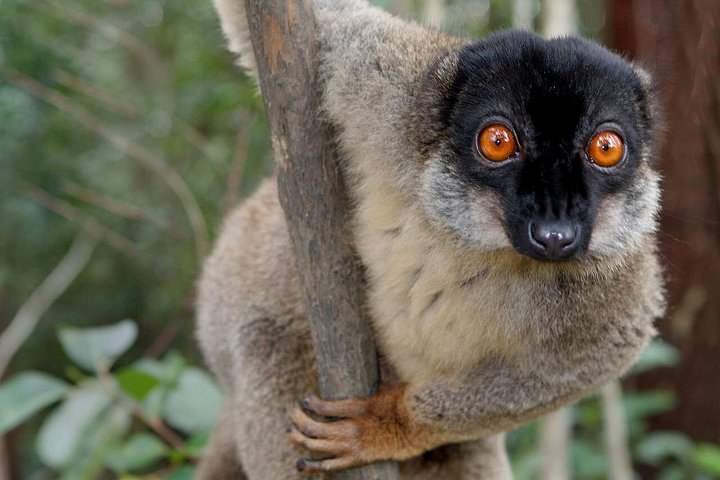
Lemurs can be seen all year, and the indri at Andasibe-Mantadia call most reliably in the early morning in any month. Many lemur species give birth in the spring months, from about September to November, which makes the forests lively with young animals. Chameleons and reptiles are generally more active in the warmer months. Humpback whales pass the channel off Ile Sainte-Marie from roughly July to September, and that is the only window for whale watching, so build the trip around it if whales are a priority.
Regions at a glance
Antananarivo and the highlands are pleasant from April to October. Andasibe and the east are rainy for much of the year, so go prepared with waterproofs in any month, and the best chance of drier weather is in the cooler months. The west around Morondava is hot and dry in the dry season, and the baobab avenue is at its most reliable for sunset photography then. The south and Isalo are dry and sunny for much of the year, and the sandstone walks are best in the cooler months. The north, including Diego Suarez, Amber Mountain and the Red Tsingy, is drier from about April to October, and Amber Mountain is cool and misty at any time.
Nosy Be and the beaches
The island of Nosy Be is generally best in the dry season, when the sea is calm and skies are clear for the boat days to Nosy Komba, Nosy Tanikely and Nosy Iranja. The wet months bring heavy showers and rougher seas, and boat trips can be cancelled when the swell rises, so keep a spare day in your schedule. Lokobe National Park is easier to walk in the drier months, and the same pattern holds for most outdoor activities on the island.
Festivals and local life
The dry season is also the time for many local events, including the famous exhumation ceremonies in the highlands, which are family occasions, so visitors should be invited and respectful. Markets are busy at harvest time, and fruit such as lychees and mangoes is abundant at certain times of year. Ask your hotel or guide about local events and customs, and keep an eye out for public holidays, when transport and shops can be affected.
Crowds, prices and booking
The dry months, especially July and August, are the busiest and the most expensive, so book flights, lodges and tours in advance. The shoulder months offer more flexibility and often better value, while the wet season is the quietest. Domestic flights are limited and fill up in the peak months, so reserve early and allow generous connection times.
A simple way to choose
If this is your first trip and you want the classic highlights of lemurs, baobabs and canyons, aim for the dry season, ideally from May to October. If whales are your priority, choose July to September. If you want beaches and island days, choose the dry months for calm seas. If you are visiting in the wet season, focus on the highlands and Nosy Be, keep your plans flexible and avoid remote parks that may be closed. Whichever month you pick, bring light layers, a waterproof jacket, shoes with grip and plenty of patience.
Before you go
Check current entry requirements, health advice and flight schedules close to your travel dates, because they can change, and ask your operator for up-to-date information on road and park conditions. Madagascar rewards flexible travellers, and building spare days into your itinerary is the best protection against delays caused by weather and long distances.