Lemurs are found only in Madagascar, and seeing them is the reason many people make the journey. There are over a hundred species, ranging from mouse lemurs that fit in the palm of a hand to the indri, the largest, and they live in rainforest, dry forest, spiny desert and even on small islands. This guide sets out the best places to see them, the differences between wild and semi-wild encounters, and how to plan so that you see as many species as possible.
Andasibe-Mantadia, for the indri
The most popular destination is Andasibe-Mantadia National Park, a half-day journey east of Antananarivo. The indri, a large black and white lemur, lives here, and its long, haunting call echoes through the forest at dawn. Guided walks also reveal diademed sifakas, brown lemurs, chameleons, orchids and many birds. A private lodge reserve nearby keeps lemurs on islands for close, easy viewing. Stay overnight if you can, since the early morning and the night walk are the best times.
Lemurs' Park, for an easy first encounter
Near Antananarivo, the Lemurs' Park is a private reserve where several species roam freely among the trees and visitors walk on shaded paths. Ring-tailed lemurs, sifakas, brown lemurs and ruffed lemurs approach visitors in some parts, and it is an excellent place for photographs and for families. Because the animals are habituated to people, it is a good complement to a wild encounter, especially if you have limited time or travel with children.
Nosy Be and Nosy Komba, for black lemurs
The island of Nosy Komba is known for its black lemurs, which come close to visitors at a small sanctuary and are used to being fed bananas, a practice that is discouraged by conservation experts. On Nosy Be, Lokobe National Park offers a wilder experience, with black lemurs, sportive lemurs resting in tree holes and tiny chameleons. A boat day to Nosy Komba and Nosy Tanikely combines lemurs with snorkelling.
Ranomafana, for bamboo lemurs
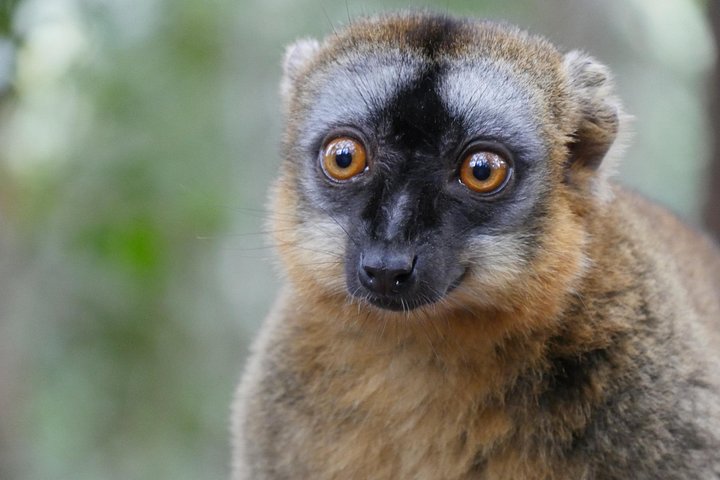
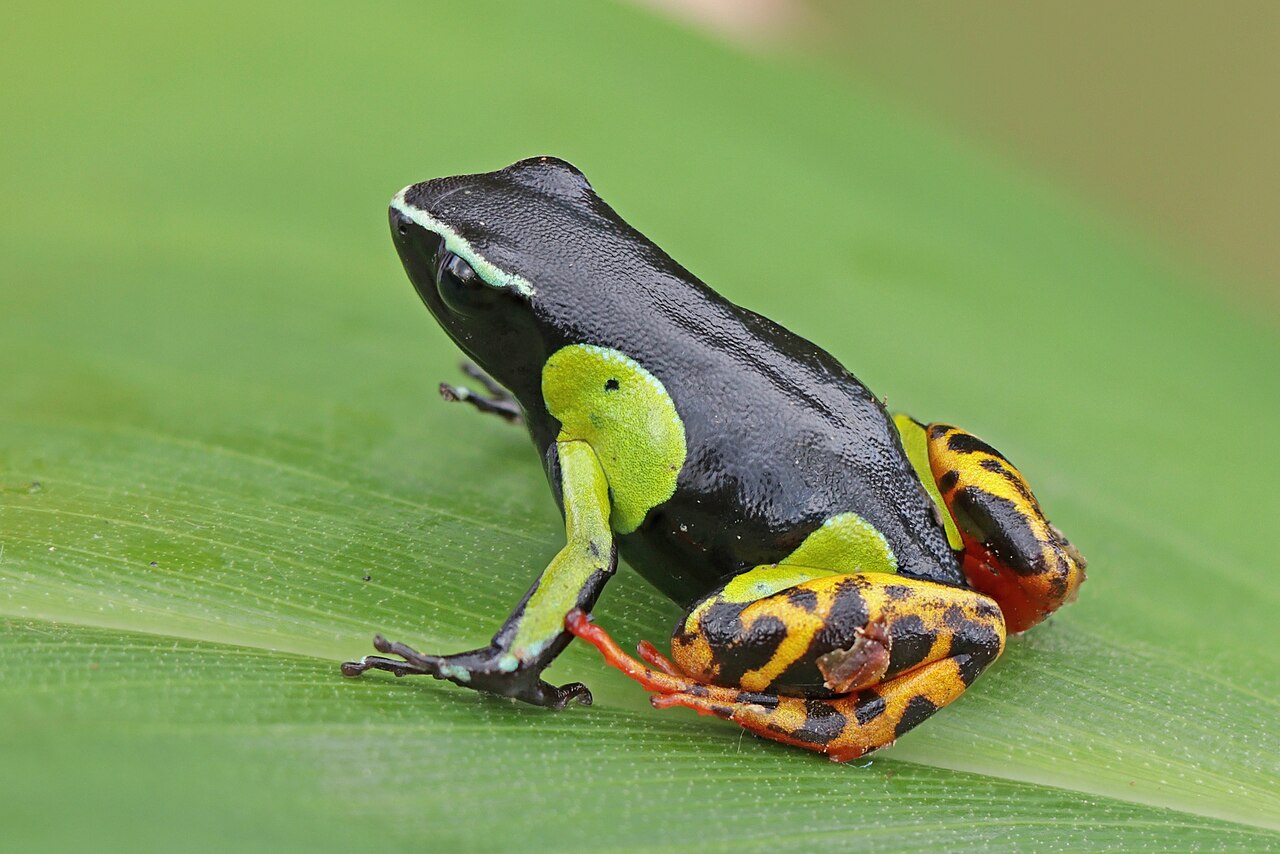
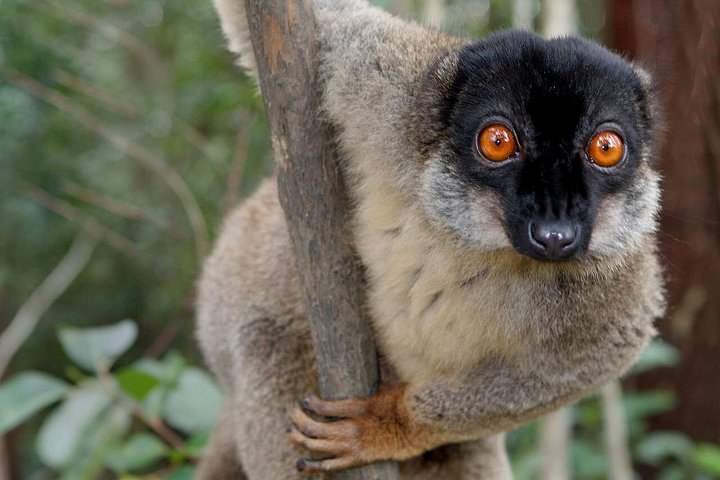
On the southern route, Ranomafana National Park protects steep, misty rainforest where golden bamboo lemurs, greater bamboo lemurs and red-fronted brown lemurs live. Walks are more demanding, with hills and mud, and the rewards include a chance to see rare species and a rich variety of chameleons and frogs. Plan at least a night in the village near the entrance.
Isalo, for ring-tailed lemurs
Isalo National Park in the south is a landscape of sandstone canyons and grassland, and ring-tailed lemurs and Verreaux's sifakas can sometimes be seen along its trails. They are easier to spot in some parts of the south, but sightings are never guaranteed, and the scenery is the main attraction.
Kirindy, for night walks and the fosa
The dry forest of Kirindy, near Morondava on the west coast, is famous for its night walks, when guides use red-filtered torches to find mouse lemurs, sportive lemurs and the giant jumping rat. The fosa, a cat-like predator that hunts lemurs, lives here as well. The forest is best in the dry season, and it combines well with the Avenue of the Baobabs and the Tsingy de Bemaraha.
Amber Mountain, for the north
In the far north, Amber Mountain National Park offers crowned sifakas, Sanford's brown lemurs and tiny chameleons in a cool, misty forest, and it is a good addition to a trip to Diego Suarez and the Red Tsingy. It is less visited than Andasibe, and the trails are quiet.
Wild or semi-wild?
Many people prefer to see lemurs in the wild, and guided walks in national parks do this, but sightings are never guaranteed and animals can be high in the trees. Reserves where lemurs are habituated offer close views and are useful for photographs. Whatever you choose, never feed, touch or chase the animals, keep your distance, follow your guide and avoid flash photography. Choose operators that respect the animals and the local communities.
How to see the most species
Combine one eastern rainforest, one dry forest or the south, and one island or northern stop. A classic route is Andasibe for the indri, a southern leg for Ranomafana and Isalo, and a finish on Nosy Be. A west-coast route links Kirindy with the baobabs and the Tsingy. Each region has different species, so a route that crosses two or three habitats will show the greatest variety.
Practical tips
Go early in the morning, when animals are most active, and book a night walk to see nocturnal species. Wear neutral colours, shoes with grip and a light waterproof layer. Bring binoculars and a zoom lens, and carry insect repellent and water. Hire a local guide, who will find animals by sound and movement, and tip them if they do well. Ask your operator which parks are open in the season you travel, since the wet months can close roads and trails.
Seasons and timing
Lemurs can be seen all year, but the drier months from April to October offer easier walking and clearer trails, and the spring months bring young animals in many species. Whales and lemurs do not conflict, so a July to September trip can combine lemurs with whale watching off Ile Sainte-Marie.