Madagascar is a large island with a wildlife and landscape list that few places can match, but distances are long, roads are slow and the best sights are scattered. A first trip works best when you pick two regions and give each enough time, instead of trying to see everything. This guide covers what to book ahead, how to get around, how many days to allow and how the headline sights fit together.
Season first
The rainy season begins around November, so expect heavier showers, muddier tracks and rougher seas from then until the dry months return, and check conditions before committing to remote areas. The Tsingy de Bemaraha is generally visited in the dry season, roughly April to November, so the end of that window is the riskiest, and access may be disrupted by early rain; confirm with an operator first. Whale watching off Île Sainte-Marie runs roughly July to September only.
Book ahead: the short list
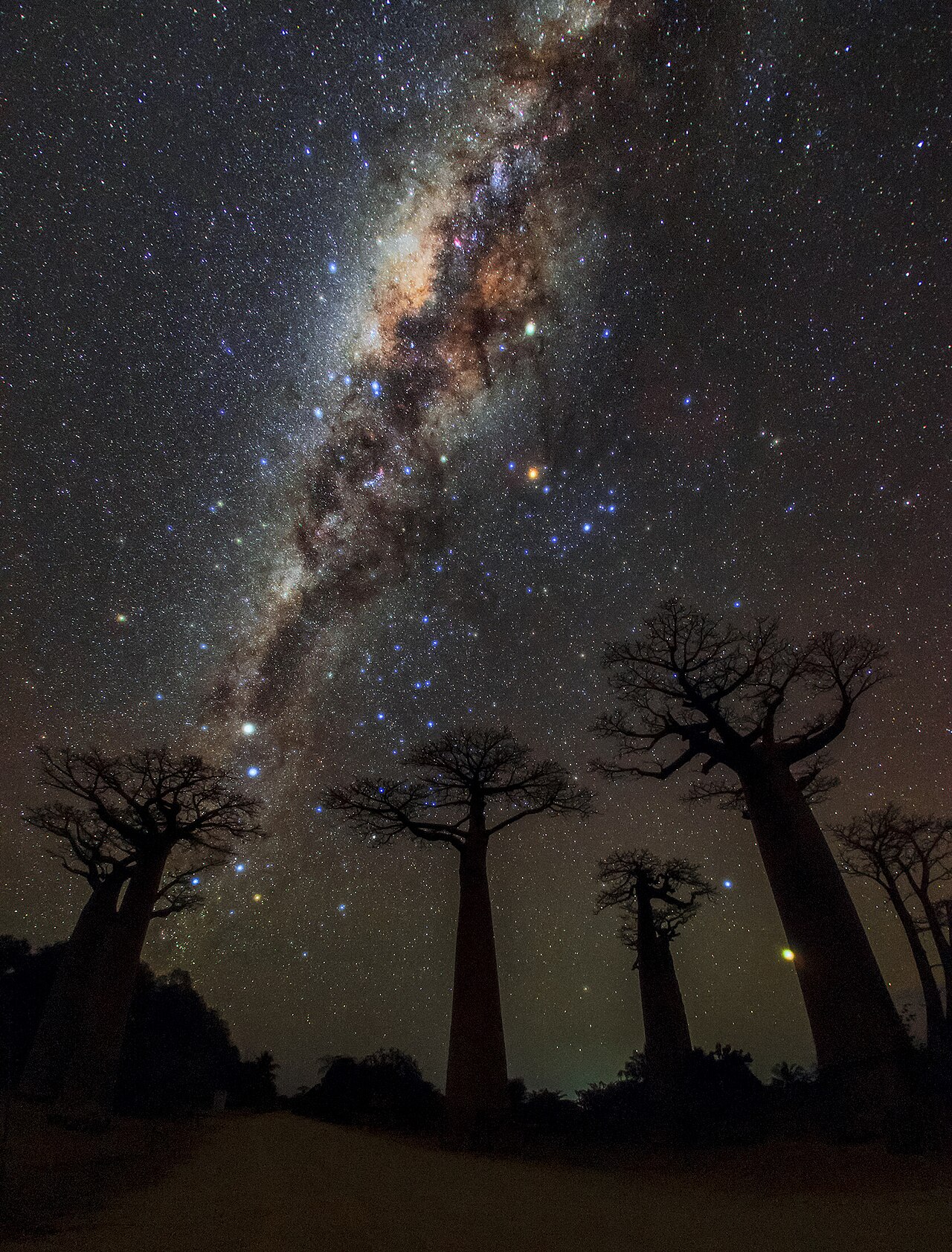
Domestic flights, the Nosy Be boat days and any multi-day circuit are worth arranging before you arrive, since seats and drivers are limited. The Andasibe day trip, the Lemurs' Park half day and a city tour of Antananarivo are easy to organise once you are in the capital. The Avenue of the Baobabs is free and needs no ticket, though you will pay for transport from Morondava. For the longer circuits, ask the operator what the price includes, such as the driver, guide, park fees and accommodation.
How long to stay
Ten days is a sensible minimum for a first visit. A simple plan is two days in and around Antananarivo with the Rova and the Lemurs' Park, a night or two in Andasibe for the indri, then either west for the baobabs and, in the dry season, the Tsingy, or south on the RN7 road to Ranomafana and Isalo. Add four or five days on Nosy Be for the Nosy Komba and Nosy Tanikely boat day if you want a beach finish. With two weeks you can combine two regions at a relaxed pace.
Getting around
Roads are slow and travel times are long, so a driver and guide are the usual choice for the countryside. In Antananarivo, use taxis or an arranged driver, and expect heavy traffic and steep, cobbled streets in the Upper Town. Domestic flights save days between regions but must be arranged separately and schedules can change, so leave spare time before international flights. Mobile coverage can be patchy in remote areas, so carry cash and download maps in advance.
Where the sights fit
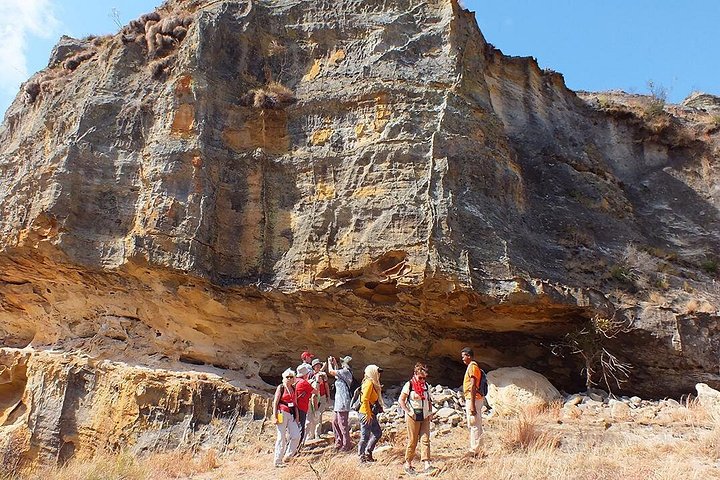
Antananarivo has the Rova, the royal hilltop compound, and the Upper Town streets, and the Lemurs' Park is a short drive away. Andasibe-Mantadia is a half-day journey east and is the easiest place to see the indri. Ranomafana and Isalo lie on the RN7 route, with a rainforest park followed by sandstone canyons. Morondava is the gateway to the Avenue of the Baobabs and the Tsingy, and Nosy Be is the island base for snorkelling and lemurs on Nosy Komba. Île Sainte-Marie is a seasonal add-on for whales.
Practical tips
Bring a light rain layer, shoes with grip, repellent, a torch and a refillable bottle. Wear modest clothing for churches and villages and ask before photographing people. Do not feed or touch the animals, and follow your guide's advice around wildlife. Carry small notes for tips, drinks and souvenirs, and check current entry requirements, health advice and flight schedules close to your travel dates, because they can change.
A sample plan
For ten days: two nights in Antananarivo, one night in Andasibe, a flight or drive to the south or west, and the last few days on the coast or on Nosy Be. For a shorter trip of a week, choose one region and the capital, and leave the rest for another visit. Whichever route you choose, a guide-led circuit removes much of the logistics and lets you focus on the wildlife and the landscapes.