Madagascar's food is simple, generous and shaped by the island's history. Rice is the centre of almost every meal, and the cooking draws on African, Southeast Asian, Indian, Arab and French influences. This guide covers the dishes to look for, the snacks and drinks worth trying, practical tips for eating well and safely, and how to fit a taste of Malagasy cooking into a trip.
Rice and laoka
The basic Malagasy meal is vary, rice, served with laoka, the accompaniment, which can be zebu, pork, chicken, fish, beans or vegetables simmered with onions, tomatoes, garlic and ginger. Rice is eaten at breakfast, lunch and dinner, often in large portions, and a bowl of rice water, ranovola, made by boiling the crust left at the bottom of the pot, is a traditional drink. Food is usually mild, with hot chilli relish served on the side so that each person can adjust the heat.
Dishes to look for
Romazava is the national stew, made with zebu and leafy greens such as brede mafana and sometimes ginger and tomato. Ravitoto is made from pounded cassava leaves cooked slowly with pork and coconut milk in some regions. Henomby ritra is zebu cooked with onion, and varanga is dried and fried zebu. Along the coast, fresh fish, prawns, crab and lobster are grilled or cooked in coconut milk, and in Nosy Be and the north, spice and coconut feature in many dishes. Lasary, a relish of pickled green vegetables, green mango or papaya, adds a tangy note.
Zebu
The humped zebu cow is a symbol of Malagasy culture and the most prized meat. It is served at celebrations and in everyday meals as grilled skewers, stews and steaks. The meat is lean and flavourful, and restaurants in Antananarivo often offer grilled zebu with fries or rice. Zebu is also central to many traditions, so avoid making jokes about the animal.
Street food and snacks
Mofo gasy, a small, sweet rice-flour cake cooked in a special pan, is a breakfast staple sold from stalls in the early morning. Koba is a dense sweet made from ground peanuts, rice flour and sugar wrapped in leaves. Mofo anana is a fritter made with greens, and samosa-like pastries called sambos are sold at roadsides. Fried banana, sweet potato and cassava are common, and ice lollies and fresh juices are sold in markets. As with all street food, choose busy stalls with freshly cooked food.
Fruit, vanilla and spice
Madagascar is the world's largest producer of vanilla, and the pods flavour desserts, rum and sauces, especially in the northeast. Cloves, pepper, cinnamon and ylang-ylang are also grown on the island. Tropical fruit is abundant, with lychees in the summer months, mangoes, pineapples, bananas, papayas and passion fruit at many times of year. Markets are the best place to taste and buy, and vendors usually let you try before you purchase.
Drinks
Three Horses Beer, known as THB, is the best-known local beer, brewed in Antsirabe, and you will find it everywhere. Local rum, called toaka gasy, is made from sugar cane and often flavoured with vanilla, ginger, lychee or other fruit, and it is sold in bars and lodges. Madagascar also produces wine in the highlands, and coffee, tea and hot chocolate are widely served. Fresh juices are delicious, but ask for bottled water or filtered water, and avoid ice unless you know it is made from safe water.
Eating well and safely
Eat at busy restaurants, choose food that is freshly cooked and served hot, and wash or peel fruit before eating. Drink only bottled or filtered water, and carry a refillable bottle and purification tablets if you travel off the main routes. Tell your hotel or guide about allergies and dietary needs, since vegetarian options may be limited and often need to be arranged in advance. Carry hand sanitiser and ask your doctor or a travel clinic for advice before you go.
Where to eat
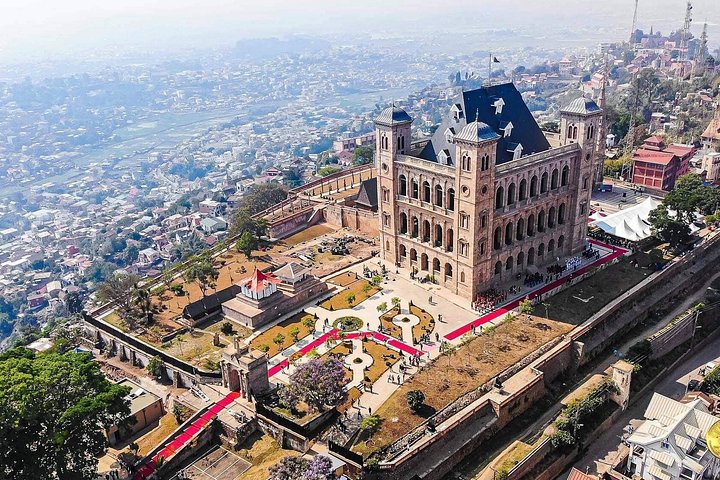
Antananarivo has a good range of restaurants, from French-style bistros and Malagasy dishes to Asian and Italian cooking, many in the central districts near the Rova and the main avenue. Hotels such as Hotel Colbert and Le Louvre have restaurants that serve a mix of cuisines and are reliable for a first or last meal. In smaller towns and lodges, meals are simple and set, and local guides can recommend small family restaurants, called hotelys, for authentic home cooking at modest cost.
A cooking class or tasting
The best way to understand the cuisine is to cook it. A cooking class or food tasting in Antananarivo lets you shop in a market, prepare a few dishes and eat them together, and it is easy to fit into a stopover. It also gives context to the meals you will eat in lodges and on the road, and it is an enjoyable way to meet local people.
Etiquette
Meals are social, and hosts will often serve generous portions and offer seconds. Accept food with your right hand, wait to be invited to start and try a little of everything. Tipping in restaurants is appreciated, and a service charge may already be included, so check the bill. Be patient, since service can be slow and meals are unhurried, and enjoy the chance to taste a cuisine that few visitors know.