Levadas are the walking trails that made Madeira famous. They began as irrigation channels, dug by hand from the sixteenth century onwards to carry water from the rainy north and the high peaks to the dry southern farms, and the paths built beside them for maintenance have become some of the most beautiful hiking routes in Europe. A levada walk is rarely steep, because the channel follows the contour of the mountain, and it passes through tunnels, ancient forest and past waterfalls. The challenge is choosing among so many routes, so this guide sorts them by the kind of day you want.
Start with the basics
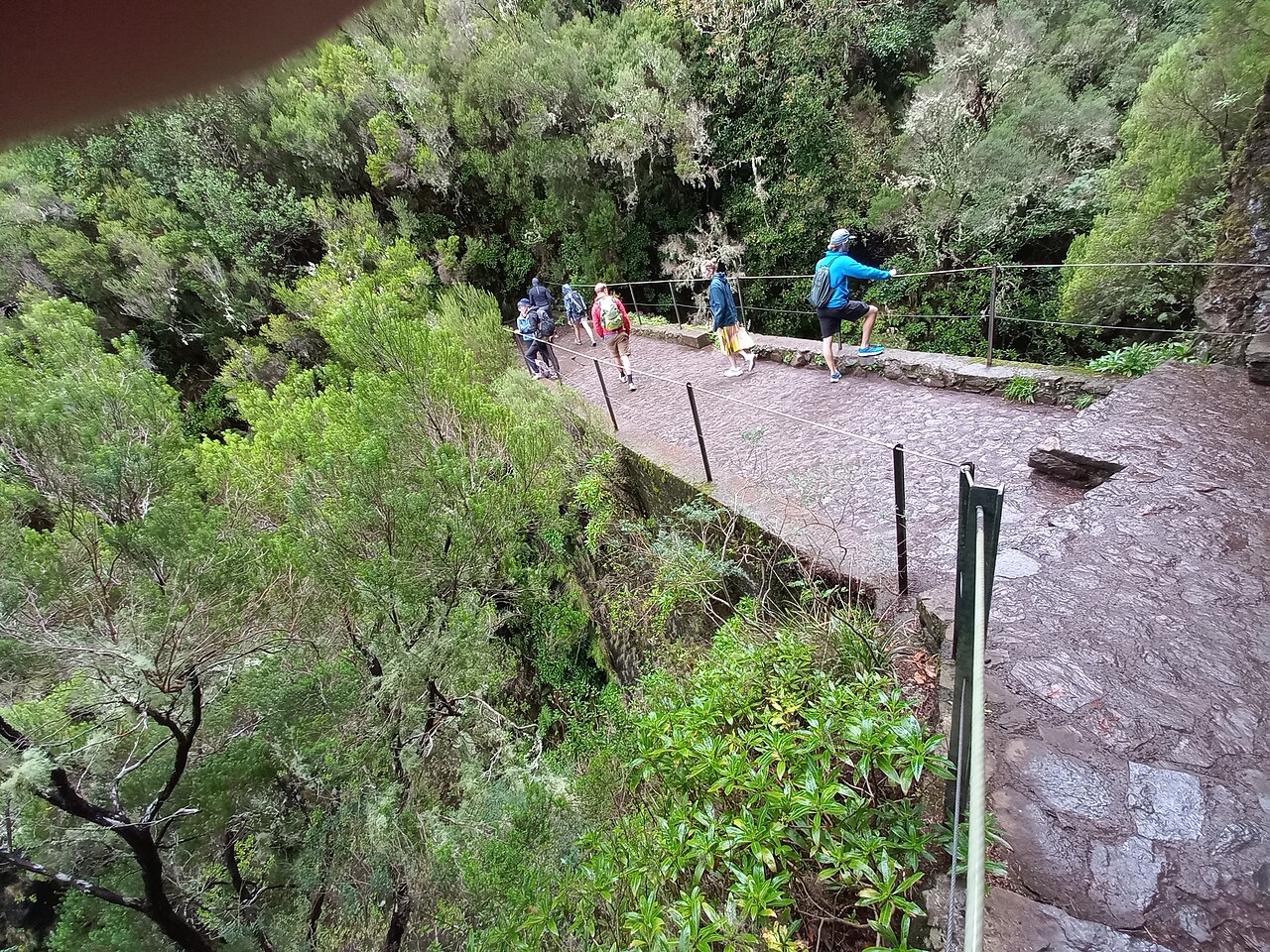
A levada trail is usually a narrow path beside a stone channel, flat or gently sloping. The drop on the other side can be steep, sometimes with a handrail and sometimes without, so stay alert, keep to the inside and never walk with your eyes on your phone. Wear shoes with real grip, because stone and moss are slippery, carry a waterproof layer, water and some food, and bring a head torch or a strong phone light for any tunnels. Mist and rain arrive quickly in the mountains, so start in the morning and tell someone where you are going if you walk independently.
Know the booking rules
Many classified trails now require registration through the regional online system, in a timed slot, and a fee for non-residents, which has been used to manage crowding on the busiest routes. The details change, so check the tourism board pages before you travel and again a few days before your walk. Guided tours usually handle registration, transport and fees, which is a big advantage on routes with awkward logistics. If you plan a one-way walk, work out how you will get back to your start, because buses are infrequent in the mountains.
The easy choice: Rabaçal and the 25 Fontes
If you want one classic walk, the Levada das 25 Fontes (PR6) is the usual answer. It starts at the Rabaçal valley on the high plateau of the west, follows a levada through laurel forest to a lagoon where springs fall from a rock wall, and can be combined with the shorter Risco waterfall path. It is popular and the stairs down and up are tiring, but the scenery is excellent and the walk is manageable for most people with ordinary fitness. Go early, and book the slot if required.
The tunnel and waterfall day: Caldeirão Verde
For many regulars this is the best walk on the island. The PR9 from Queimadas runs for several kilometres along a levada through deep laurel forest on the green north side, passes through a series of dark tunnels and ends at a tall waterfall in a rocky amphitheatre. It is long, around twelve to thirteen kilometres out and back, and the tunnels demand a torch, but the reward is a day of forest, running water and almost no noise. A guided trip from Funchal makes the logistics simple.
The long view: Ribeiro Frio to Portela
If you prefer big views to waterfalls, the one-way route from Ribeiro Frio to Portela is a superb choice. It starts in a cool valley with a trout farm, passes the Balcões viewpoint almost immediately, and then contours around the mountainside with views over the central peaks and down to the north-east coast. At about eleven kilometres it is a proper half-day walk, and it needs transport at both ends, so most walkers book a guided option or a taxi.
The high ridge: Pico do Arieiro and beyond
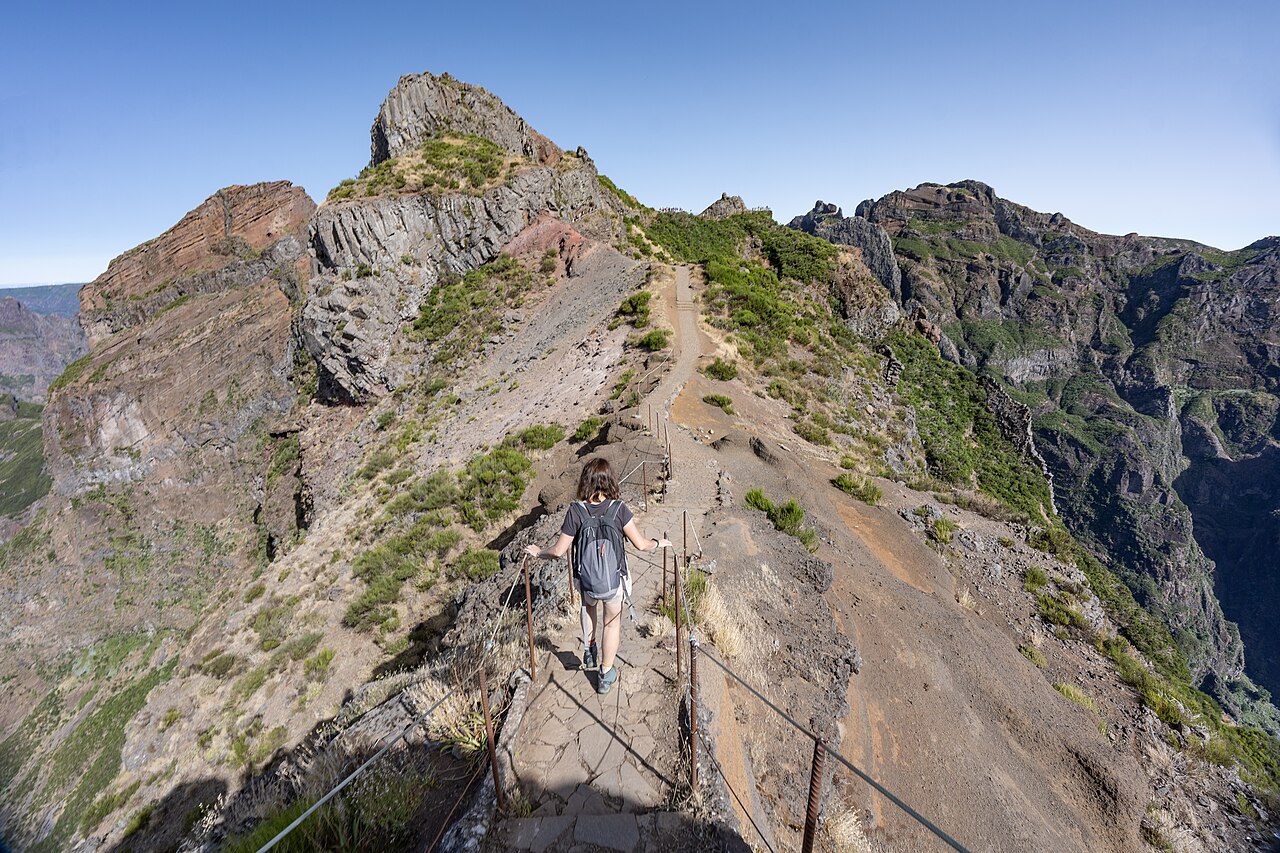
Not a levada, but often combined with them, the PR1 ridge trail between Pico do Arieiro and Pico Ruivo is the island’s most spectacular walk, with stairs, tunnels and cloud-level views. It is demanding, exposed and subject to closures and booking rules, so treat it as a serious mountain day and check the current status before you plan around it. If you cannot get a slot, a short stroll from the Arieiro car park to the nearest viewpoints gives a taste of the scenery.
Coastal alternatives
When the mountains are in cloud, head for the sea. The Ponta de São Lourenço walk on the eastern tip is open, dry and dramatic, with red cliffs and turquoise water, and it often has better weather than the interior. Along the south coast, shorter levadas near Funchal give an easy introduction to the channels in a couple of hours, and are good for families.
Match the walk to the person
For families with young children, choose short, flat sections with handrails, avoid tunnels and long drops, and turn back early. For confident walkers, combine a long morning on a levada with an afternoon at a viewpoint or a wine tasting. For photographers, the forest is best in soft morning light or after rain, when the moss and ferns glow. For anyone nervous about heights, ask for descriptions of exposed sections before you go, and consider guided routes where the guide can adapt the pace.
Plan for weather and backup
Madeira’s weather is local: it can rain on the north while the south is dry, and cloud can sit on the peaks for a day or two. Keep one spare day in your itinerary and check forecasts for both coasts. Storms and landslides sometimes close trails, so look at current notices. After a day on foot, an old-town poncha bar or a soak in a hotel pool is the right reward. The levadas reward patience: go early, go slowly and let the sound of the water set the pace.