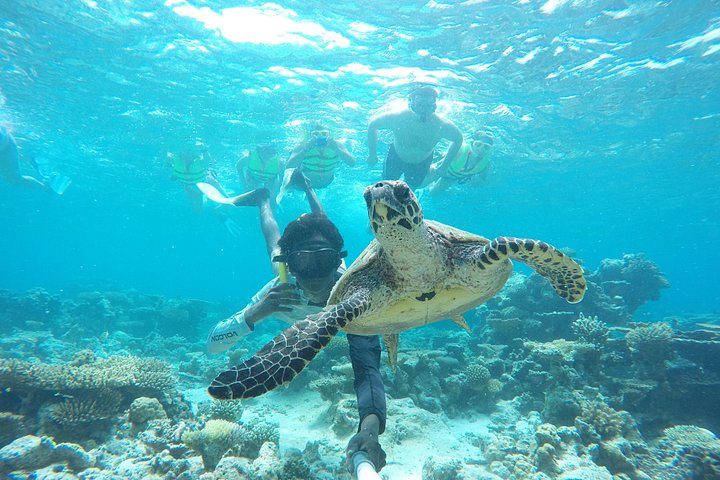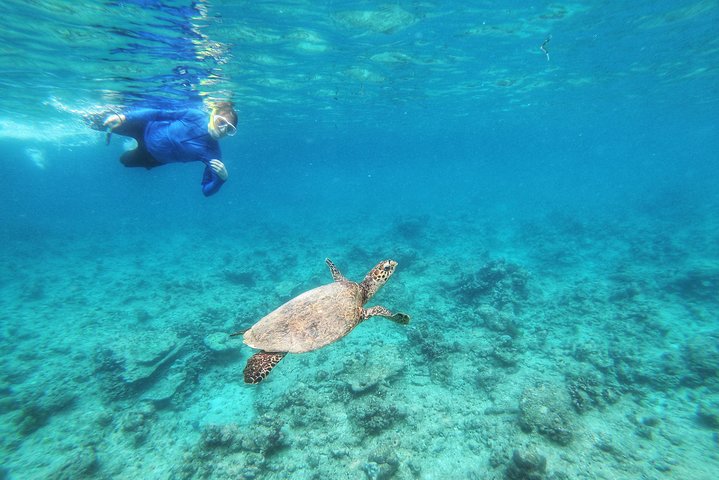
There is no bad time to visit the Maldives, but there is a best time for each kind of trip. The country sits close to the equator, so temperatures stay warm all year, and the main variable is the monsoon. Two seasons, the drier northeast monsoon and the wetter southwest monsoon, shape the sea, the sky, the marine life and the prices. This guide explains how to choose the months that suit your plans.
The dry season: December to April
The northeast monsoon brings the calmest seas, the most sunshine and the clearest water, which is why these months are the peak season. Boat trips run smoothly, sandbank snorkelling is at its best and the sky is typically blue. March and April are often the sunniest and calmest, though rain can still pass through at any time. This is also when prices are highest and rooms and popular excursions fill up first, so book accommodation and transfers early, particularly around the year-end holidays. If your priority is a flawless beach week or a honeymoon with the least weather risk, this is your window.
The wet season: May to November
The southwest monsoon brings more cloud, showers and swell, and winds can make the sea choppy on exposed routes. It does not mean continuous rain. Many days offer long sunny spells, and showers often pass quickly. In return you get lower rates, quieter islands and some of the best marine life of the year. Visibility on the reef can be reduced on windier days, so keep your plans flexible. If you are travelling at this time, pick excursions with free cancellation and choose activities that work under cloud, such as the Malé walking tour and the local island day trip.
Whale sharks and manta rays
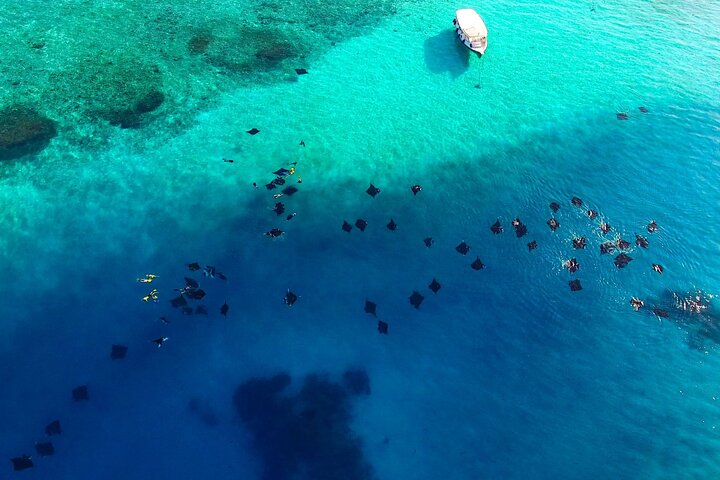
Whale sharks are seen year-round in South Ari Atoll, with a peak from around August to November. Manta rays gather in South Ari from roughly October to May during the northeast monsoon, while Hanifaru Bay in Baa Atoll is best known for manta feeding from about June to early October. Divers and snorkellers who want these animals should plan around those windows and book a specialist excursion rather than expecting a sighting on an ordinary reef trip. Wildlife is wild, so no season guarantees an encounter. Ask operators how they run the trip, since responsible ones keep a respectful distance, limit the number of swimmers in the water and brief everyone on the rules before anyone gets in. If a particular animal is your main reason for coming, plan an extra day or two so that one rough or quiet morning does not decide the whole trip.
Surf
The main surf season runs roughly from March to October, when southwest swells reach the atolls, and local islands such as Thulusdhoo and Himmafushi are known to surfers. Beginners can take lessons on calmer days, while experienced riders chase the larger swells. If you plan to surf, choose a guesthouse near a break and check the local forecast with your hosts.
Shoulder months
April to May and October to November sit between the seasons. Seas can be moderate, rates are softer than peak and the weather is often pleasant, with the chance of the odd shower. November is a good example: the wetter season is ending, the northeast monsoon is building, whale shark season is still on and seas often calm as the month goes on. These months suit flexible travellers who want a balance of weather and value.
Choosing by trip type
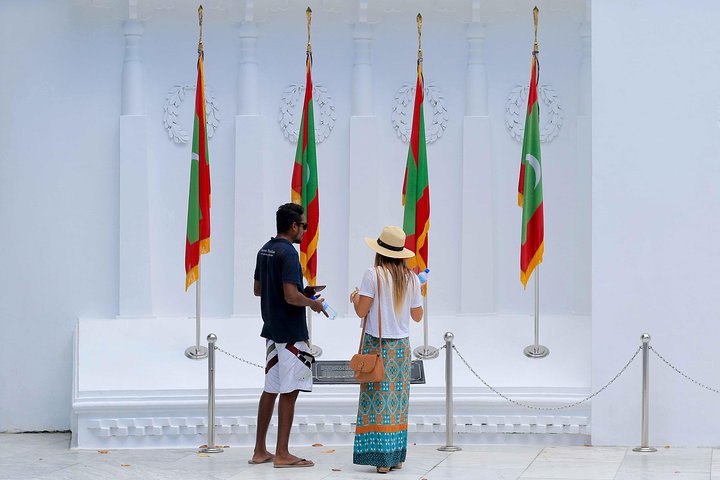
For honeymoons and beach holidays, pick December to April and book early. For divers and snorkellers, choose around the marine life windows above. For budget travellers, look at May to November and consider a guesthouse on a local island such as Maafushi. For culture and city time, any month works, since Malé's sights are on land. Check the calendar for religious holidays and Ramadan, when opening hours and food service change, and note that Fridays slow many services.
What to pack and book
In every season, bring reef-safe sunscreen, a rash vest, a hat, a light waterproof layer and seasickness tablets if you are prone. Book your accommodation and its transfer first, then your key excursions a few days ahead in the dry season. Weather and sea state change plans, so keep one day free as a buffer. Whenever you go, the Maldives is warm, beautiful and well worth the journey.