Food in the Maldives begins with the sea. For centuries the diet of the islands has been built on tuna, coconut, rice and a short list of local vegetables and fruits, cooked simply and seasoned with chilli, lime and curry leaves. The country is a Muslim nation, so halal rules shape what is served on local islands, and the way you eat will change depending on whether you are in a resort, in Malé or on a local island. This guide explains what to try, where to find it and what to expect.
Tuna at the centre
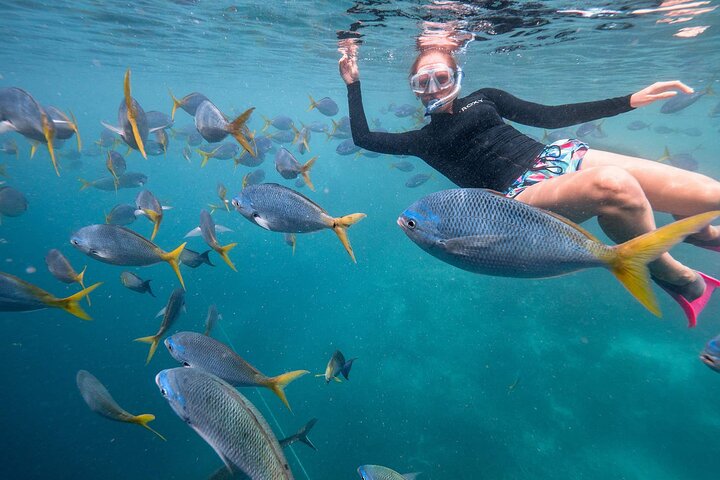
Skipjack tuna is the national fish, traditionally caught by pole and line, one fish at a time. You will meet it in many forms. Garudhiya is a clear fish broth, often served with rice, lime, chilli and onion, and it is the most traditional comfort meal. Mas riha is a fish curry, and mas huni is a breakfast dish of shredded smoked tuna with grated coconut, onion and chilli, eaten with flatbread called roshi. Fresh tuna also appears grilled, in sandwiches and in salads, and reef fish such as grouper and snapper turn up on tourist menus. A short walk through the Malé fish market shows you where it all begins.
Hedhikaa: tea-time short eats
The Maldivian tea-time snack tradition is called hedhikaa. Expect small fried or baked items such as bajiya, a pastry filled with tuna and onion, gulha, a fried ball of tuna and coconut, and keemia, a crisp fish roll. They are cheap, filling and best eaten with sweet tea in the late afternoon. Local cafes in Malé and on the bigger islands serve them fresh, and they make an easy, inexpensive way to try several flavours at once. Sweet treats include boakibaa, a rich cake made from rice flour, coconut and sugar, and foni boakibaa, a pudding-style version.
Fruit, coconut and drinks
Coconuts are everywhere, and a fresh one is the best way to cool down. You will also find papaya, mango, banana and watermelon, along with breadfruit, which is served fried like chips or in curries. Tea is the standard drink, often sweet and milky, and fresh juices are common. Most visitors stick to bottled or filtered water, so ask your accommodation whether tap water is safe to drink and where you can refill bottles to cut down on plastic. Resorts and larger hotels usually provide filtered water.
Local islands, Malé and resorts
On a local island, meals are usually simple and cheap, served in guesthouses and small cafes. Expect fish, rice, curry, roshi and salads, and tell the kitchen about any dietary needs in advance. Alcohol is not available on local islands, and pork is not served. In Malé, you will find cafes, bakeries and restaurants serving Maldivian, Indian, Sri Lankan and Western food, but alcohol is not generally sold. Resorts are where alcohol is served, with a wide range of international restaurants and often a choice of meal plans. Hulhumalé has a growing cafe scene and is a good place to compare options.
Eating on a budget
The cheapest meals are at local cafes and guesthouse restaurants, and hedhikaa makes a good light meal. Breakfast included in a guesthouse rate saves money, and eating where residents eat saves more. Resort prices are much higher, with food and drink often the largest part of the daily cost, so consider a half-board or all-inclusive plan if you are staying at a resort and plan to eat most meals on site. Check what is included and what is extra before you book, because the details vary.
Etiquette and practicalities
Use your right hand to eat if you are eating with your fingers, and avoid eating or drinking publicly during daylight hours in Ramadan, when many cafes close until sunset. Carry some cash for small cafes, since cards are not always accepted away from Malé. Try something local at least once, and ask your hotel or guesthouse where residents eat. If you stay in a resort and want a taste of the real thing, ask whether the kitchen offers a Maldivian night or a local fish dish.
Where to try it
Start with the fish market and a tea-time stop in Malé, then join the local island day trip for a village lunch. Stay in Hulhumalé if you want the widest choice of cafes at moderate prices, or choose a resort such as Taj Exotica for a polished dining line-up and all-inclusive options. Whatever your plan, leave room for tuna.