The Maldives has a reputation as a destination for honeymooners with deep pockets, but that picture is out of date. Since 2009, local islands have been allowed to open guesthouses, and the result is a second Maldives that is far cheaper, more relaxed and more connected to everyday life. With careful choices you can enjoy sandbanks, reefs and a good deal of free sightseeing without paying resort rates. This guide explains how.
Stay on a local island
The biggest saving is where you sleep. A guesthouse on a local island such as Maafushi costs a fraction of a resort, and the island offers snorkelling, boat trips and a bikini beach on your doorstep. Kaani Beach Hotel on Maafushi, with its sea-view and city-view rooms, buffet meals and excursions desk, is a good example. The trade-offs are the rules, since alcohol is not available, dress is modest away from the visitor beach and facilities are simple. If you can accept that, the daily cost drops sharply. Book ahead for peak months, because arriving without a reservation can be risky.
Use public ferries
Public ferries run between many islands and cost very little, usually under ten dollars per trip according to Visit Maldives, though they are slower and do not reach every island. Fridays often have reduced service. Speedboats are quicker but cost more, so use the ferry when time allows and book a shared speedboat when it does not. Ask your guesthouse for current schedules and for help with transfers, and avoid seaplanes, which are the most expensive option, unless you have a resort booking that requires one.
Enjoy the free sights
Malé has a full day of free or nearly free things to do. Walk through the fish market, see Hukuru Miskiy, the Islamic Centre and Muleeaage from the street, wander Republic Square and Sultan Park, and watch the sunset from the artificial beach. The National Museum usually charges a modest entry fee, which is worth it for the history. Hulhumalé has a long public beach and a growing cafe scene, and all of this is accessible without a tour.
Eat where residents eat
Local cafes and guesthouse restaurants serve fish curry, rice, roshi and tea-time short eats at a fraction of resort prices. A breakfast included in your rate saves more. Avoid buying lots of bottled water by asking your accommodation about refill options. Since alcohol is not available on local islands, you also avoid one of the biggest costs on a holiday.
Choose your paid trips carefully
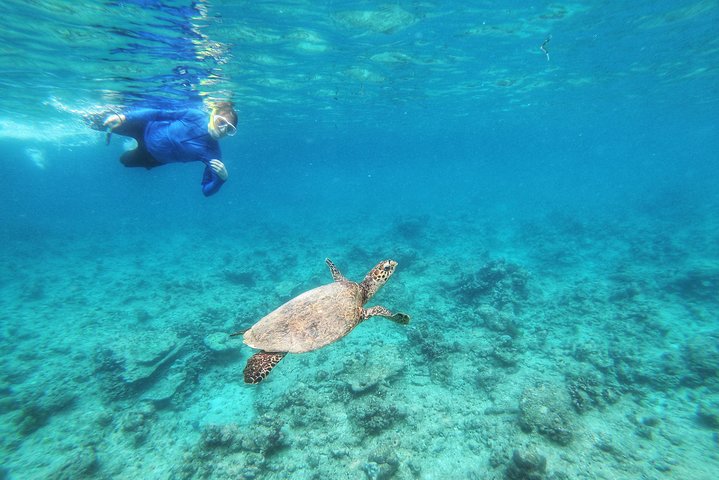
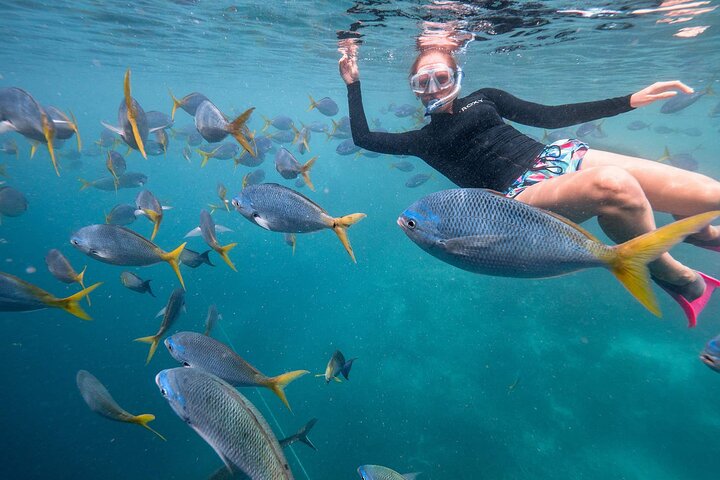
A few well-chosen excursions deliver the best value. The Three-Site Snorkel Safari from Malé is a shorter and lower-cost way to see reefs, the Local Island Day Trip from Hulhumalé combines culture, a beach and lunch in one day, and the Maafushi snorkelling and island-hopping day gives a broad taste of the South Malé Atoll. Compare what each includes, such as equipment, lunch and taxes, rather than just the headline price. Skip add-ons you do not need, and bring your own mask and snorkel if you have them.
Travel in the shoulder or wet season
Rates are lowest from May to November, when more showers and swell come with softer prices. Pick activities that still work under cloud, and book with free cancellation. Dry-season prices climb, so if you must travel then, book early and stay on a local island.
Budget stay options
In Malé, JEN Maldives Malé by Shangri-La is a mid-range city base with walkable sights. In Hulhumalé, Huvan Beach Hotel is a three-star hotel near the beach and the airport and a practical start or end to a trip. On Maafushi, Kaani Beach Hotel gives you a local island base. Mixing a few nights in each lets you see more for less, and moving between them gives you a taste of the capital, the airport island and a village in one trip. Ask each place about luggage storage and early check-in, since they can make the changeover days smoother and save the cost of an extra night.
Final tips
Carry cash for small cafes and shops. Dress modestly in public. Use reef-safe sunscreen and refillable bottles. Check current entry rules and any visitor taxes before you go, since they change. A budget Maldives trip asks for a little more planning, but it rewards you with real island life, friendly people and the same turquoise water as any resort.