Mallorca is known for beaches and old towns, but it is also one of the best islands in the Mediterranean for being outdoors. Limestone mountains, a rocky coastline of sea caves and coves, pine woods and a mild climate make it a playground for walkers, paddlers and cyclists. This guide shows how to build active days around the island's strengths, with ideas for different fitness levels and seasons, and tips that apply whether you are travelling alone, as a couple or with teenagers.
On the water
The coastline is the island's best natural feature. A guided sea kayak trip, such as the paddle to the coves around Cala Varques on the east coast, brings you under cliffs and into sea caves that are hard to reach on foot. Mornings are calmest, and the water is clear enough to snorkel from the kayak. Boat trips are the gentler alternative: the cruise from Cala Figuera to Caló des Moro and Es Pontas, or the south-coast trip to Es Trenc, show some of the island's famous beaches without the walk. For a bigger day, Cabrera national park is a protected archipelago with clear water and little development.
In the mountains
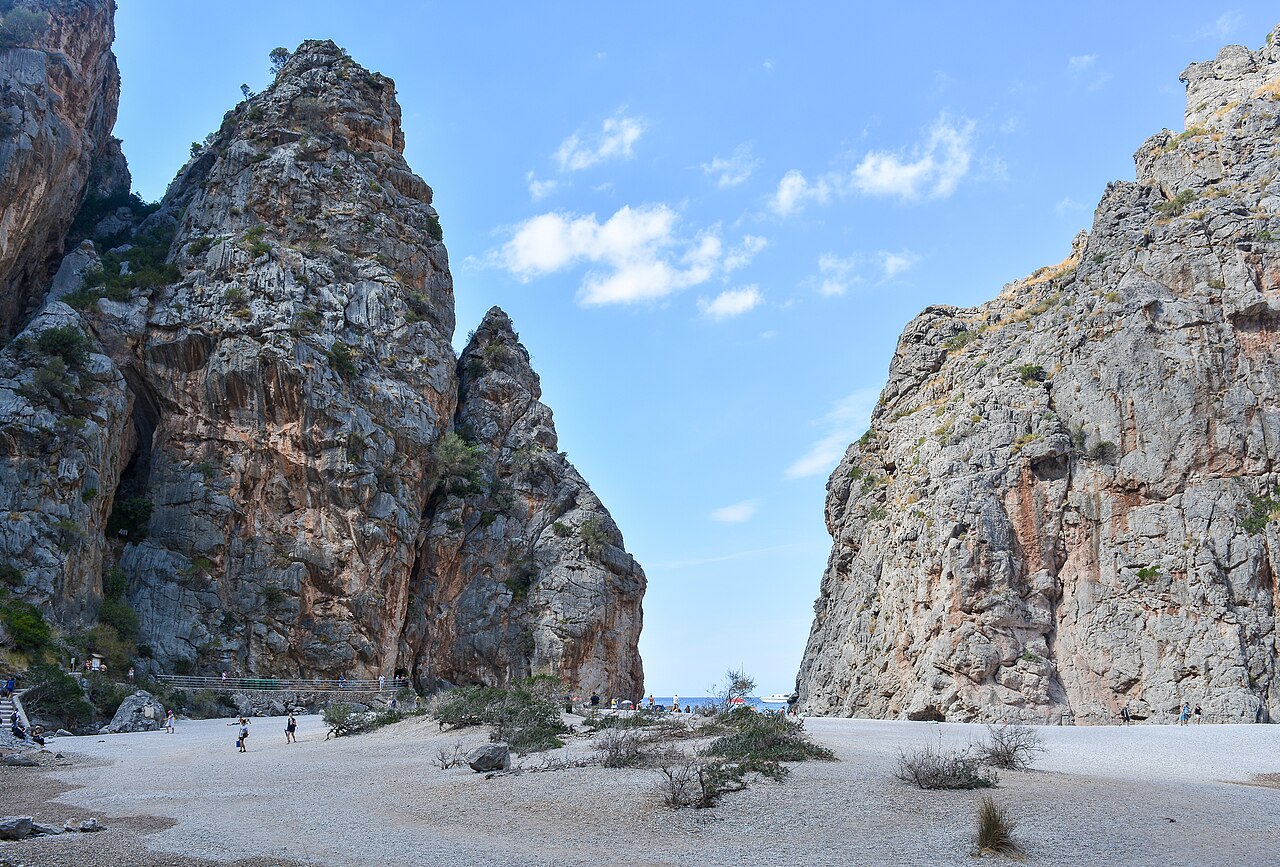
The Serra de Tramuntana has hundreds of kilometres of paths, from easy village walks to long ridge routes. Valldemossa, Deià and Sóller all make good bases, and local guides run half-day walks that include stories about terraces, olive trees and mountain refuges. The gorge of Torrent de Pareis is a classic, with an end at a pebble beach, though the full route is demanding. For a taste of canyoning, beginners can join a guided descent with slides, jumps and short abseils through a rocky stream. Guides supply the equipment, teach the technique and adapt the programme to the water level, so no experience is needed.
On an island walk
The protected island of Sa Dragonera, a short boat ride from Sant Elm, offers walks to old lighthouses on a car-free island of cliffs and lizards. It is one of the best easy nature days on Mallorca, though the paths are exposed, so go early and carry water. The wetlands of the Albufera in the north-east are another quiet option for birdwatchers, and the salt flats of Ses Salines in the south have flamingos in some seasons.
With children and teenagers
Treetop adventure parks suit mixed ages, with low routes for small children and high wires for teenagers. Teens who want a challenge can try canyoning or coasteering, subject to age limits, and families with younger children can combine a short kayak with a beach afternoon. Check minimum ages and weights when you book, because they vary between operators.
Seasons
Spring and autumn are the best seasons for walking and cycling, with comfortable temperatures and green countryside. Summer is ideal for water activities but too hot for long hikes in the middle of the day, so start early. Winter is mild and quiet, with clear days for mountain walks, although some boat trips and water activities pause until spring. Always check conditions on the day: wind can cancel kayak and boat trips, and heavy rain can close canyons.
Fitness and safety
Most guided activities need only an average level of fitness, but being comfortable in the sea is important for kayak and snorkel trips. Wear sunscreen, a hat and sturdy shoes, and carry more water than you think you need. Follow the guide's instructions on paddling, jumping and abseiling, and tell the operator about medical conditions in advance. Do not walk alone on exposed mountain routes without a map and a weather check.
Putting a trip together
A good active week might include a morning kayak on the east coast, a day of mountain walking from Valldemossa or Sóller, an easy island day on Dragonera, a family adventure course and a slow boat day on the south coast. Mix in a rest day with a market or a winery visit, because an active week needs recovery time. For sightseeing balance, add a morning in Palma's old town, where the cathedral and baths offer a cool, restful contrast.
Where to stay
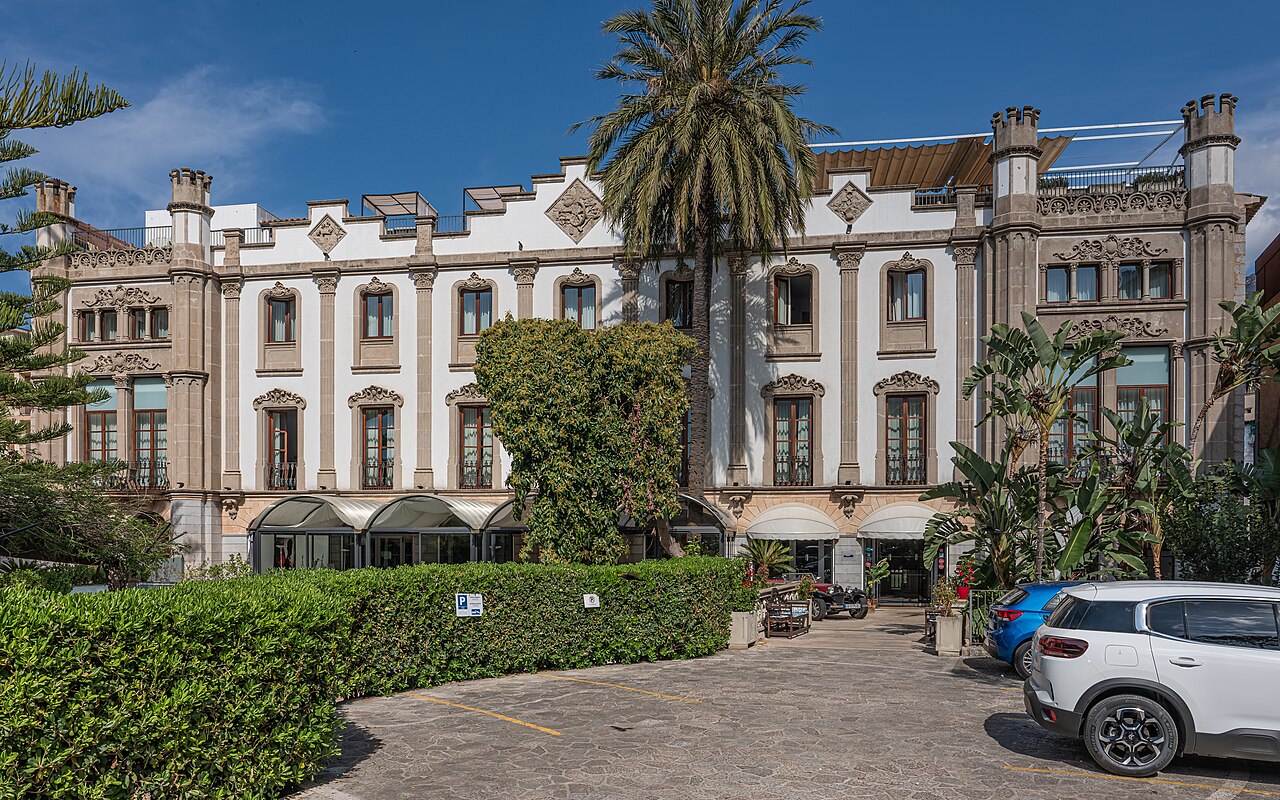
Palma is the best all-round base, with good transport to every part of the island. For mountain walking, a hotel in Sóller shortens the journeys, while the north coast around Port de Pollença suits cyclists and anyone who wants calm water. Whatever you choose, book activities in advance during busy months, because small-group operators have limited places.