Three days is enough to see the best of Mallorca if you accept that you cannot see everything. The island is about as big as a small county, but the mountains slow the roads, and the sights are spread between the capital, the north-west ridge and the east coast. This plan is built around a base in Palma, which keeps hotels, restaurants and transport simple, and it uses day trips for the rest. Swap days around to suit the weather, because the mountain and boat days depend most on the sky.
Day one: Palma on foot
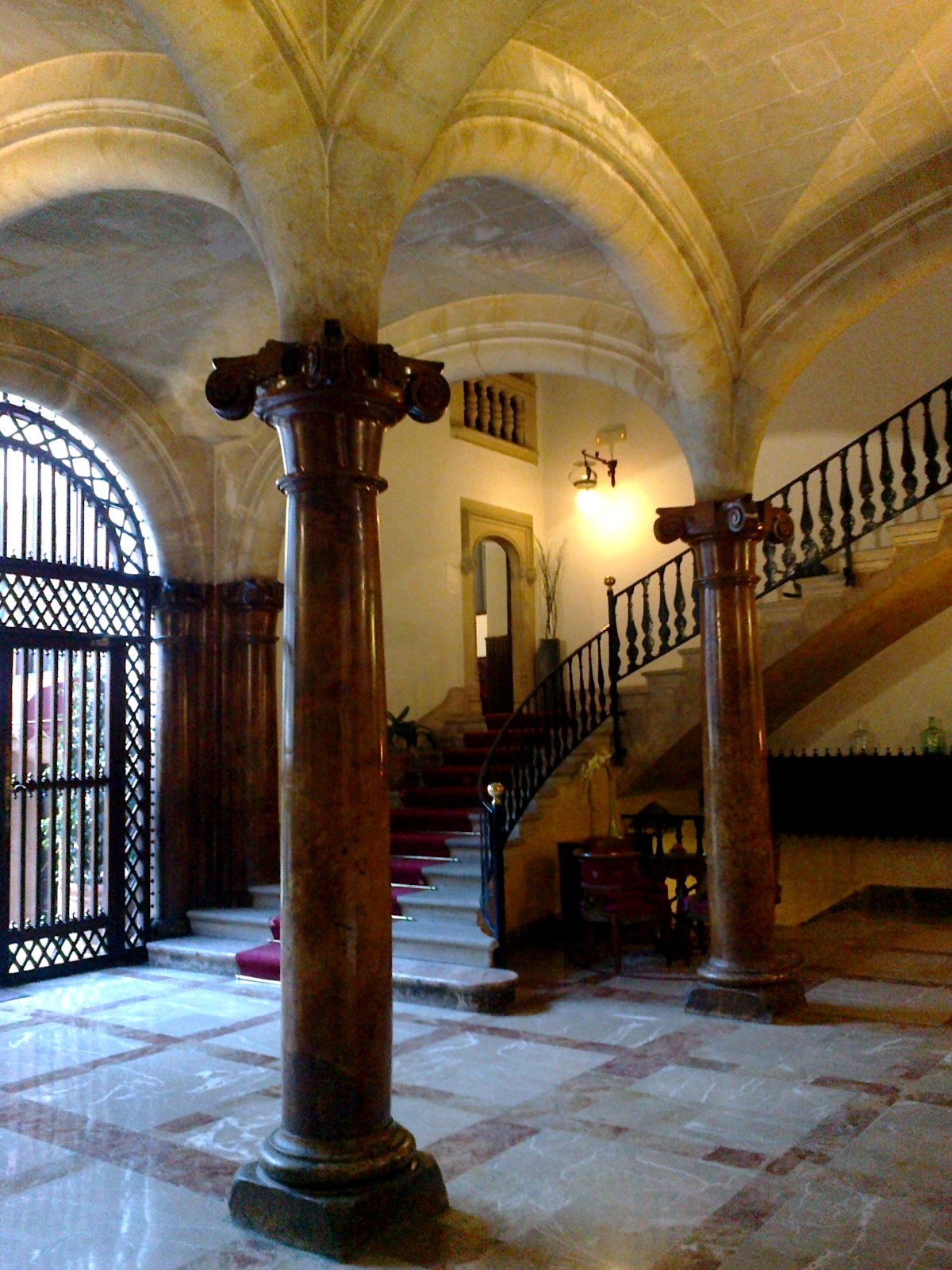
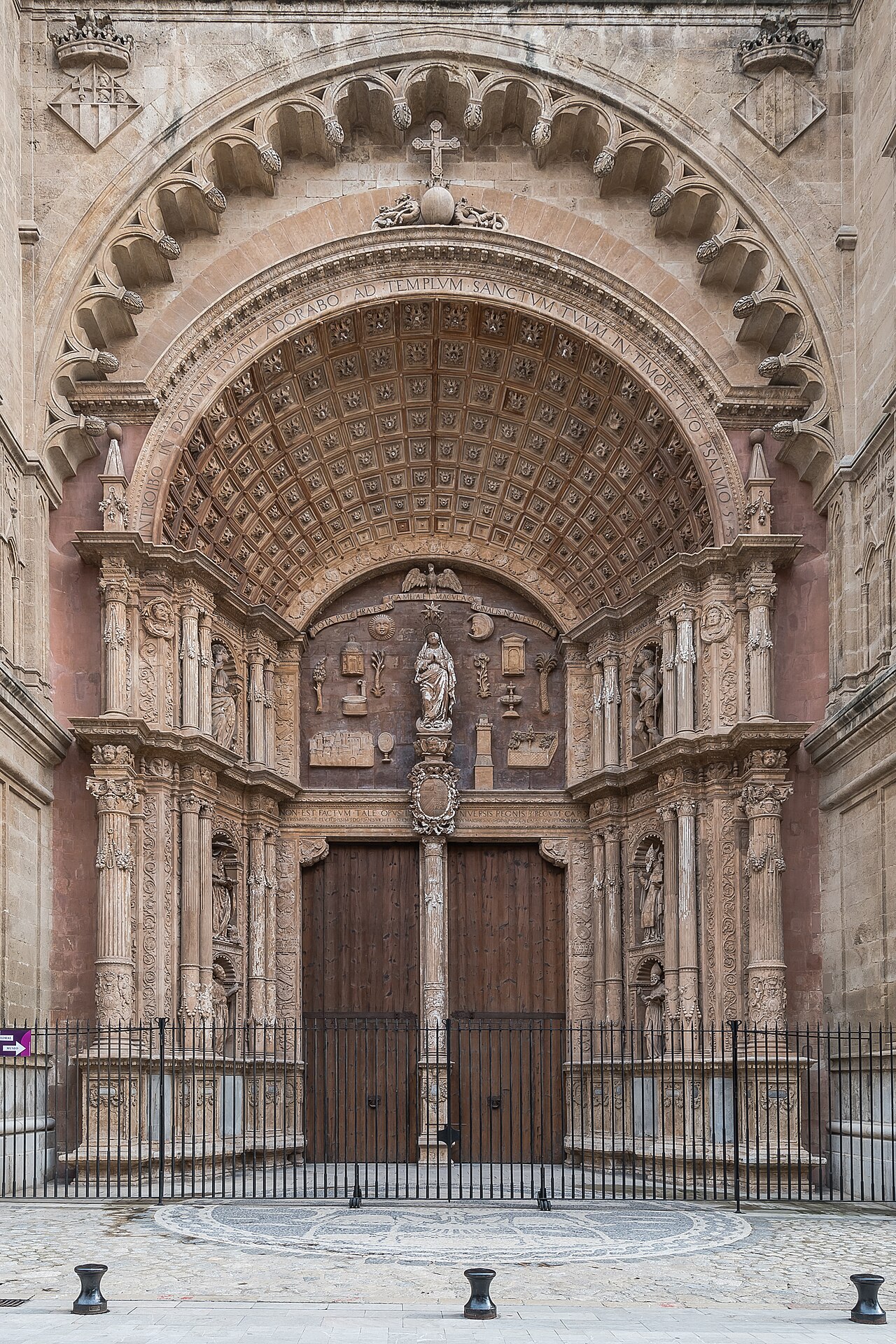
Start at the cathedral, the great Gothic building that rises straight from the seafront, and go early so that the light through the rose window is at its best. Walk through the old town to the Almudaina palace, which began as a Moorish fortress, and then wander the lanes of the Born, stopping at the courtyard mansions that are sometimes open to the public. Lunch can be a menú del día in a neighbourhood restaurant or a plate of tapas at a bar near the market. In the afternoon, visit the Arab baths or the Fundació Miró, or take a bus up to Bellver Castle for the round courtyard and the view over the bay. If you like to see a city from the water, a late sailing in the bay gives the skyline at its best. End with a guided tapas walk or a flamenco show, both of which suit a first night.
Day two: mountains, villages and the train
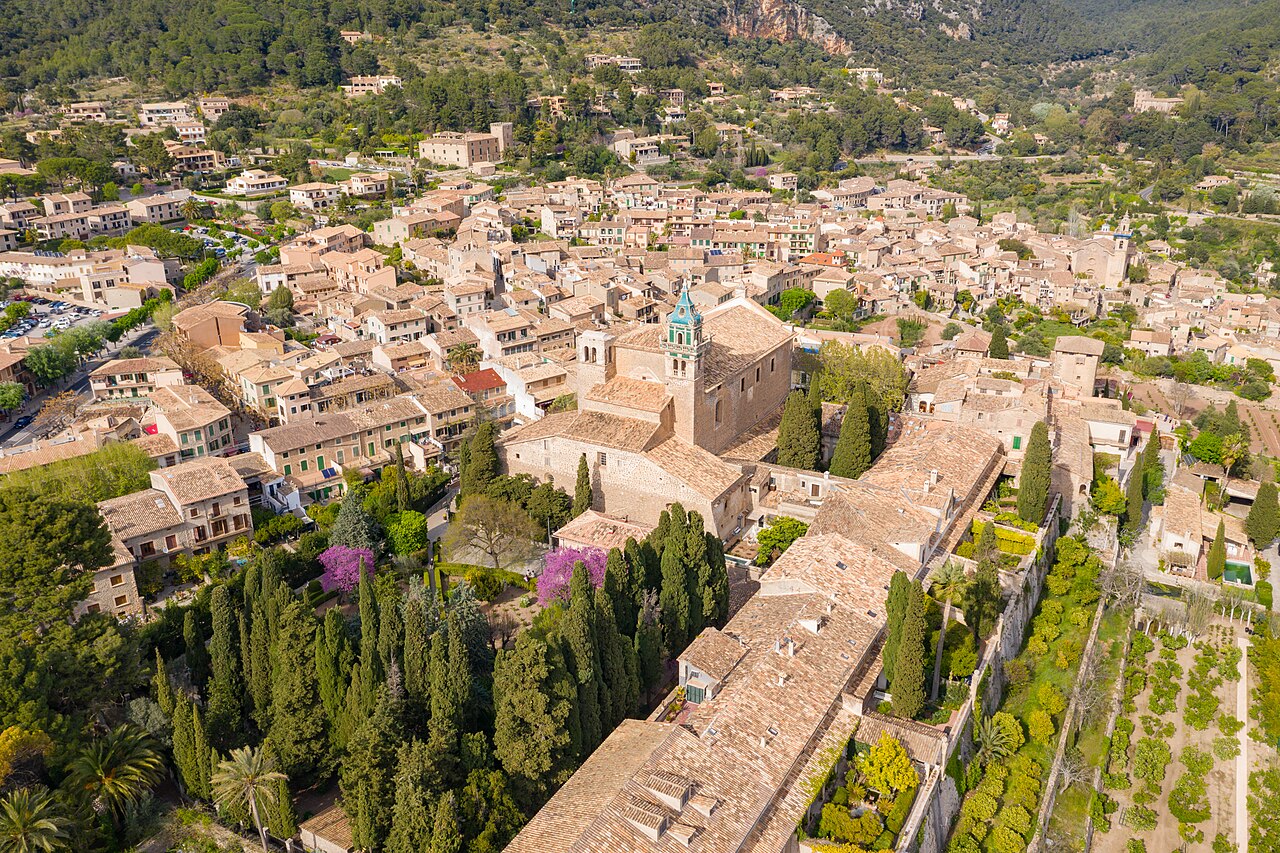
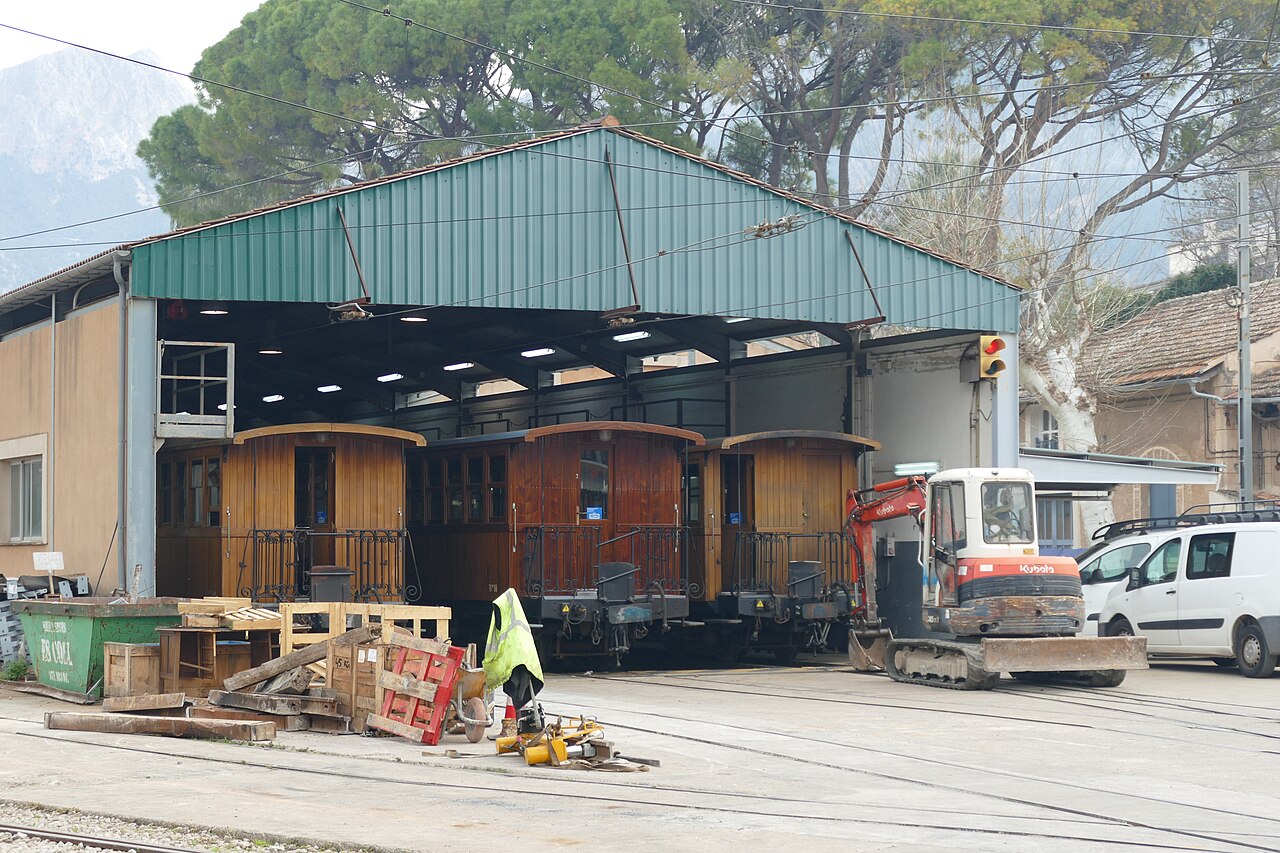
Head north-west into the Serra de Tramuntana, a UNESCO-listed landscape of terraced hillsides, olive groves and stone villages. Your first stop is Valldemossa, where the Charterhouse recalls the winter Chopin spent there, and the lanes are lined with geraniums and cafés. From here you can continue to Deià and the coast road, or cut across to Sóller. Take the wooden train from Palma or the tram from Sóller down to the port, have a seafood lunch on the bay and return in the afternoon. If you have a car, the road toward Sa Calobra and the gorge of Torrent de Pareis gives some of the most spectacular driving in Europe, but it is narrow, so go with a driver if you are unsure. Guided day tours cover Valldemossa, Deià and Sóller in one go and are a good choice if you do not want to drive.
Day three: caves and the east, or the coast
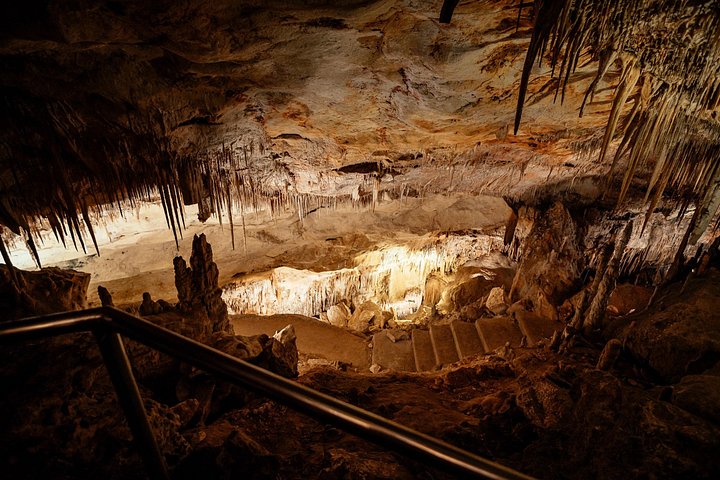
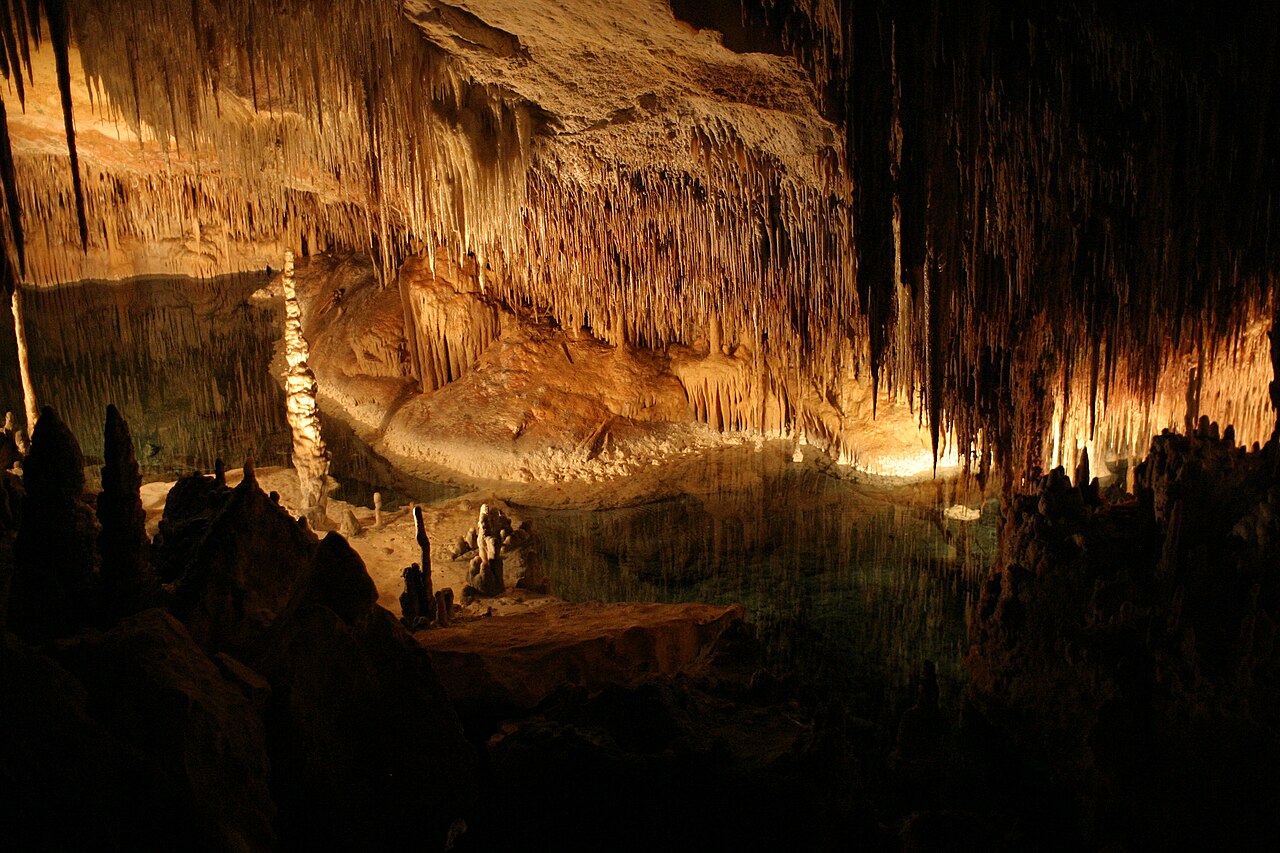
Choose according to taste. The east coast offers the Caves of Drach, with their boat concert on an underground lake, the nearby Cuevas dels Hams and the town of Porto Cristo. The Coves d'Artà and the hill town of Artà can be added for a fuller eastern day. Families may prefer the aquarium or a beach, while active travellers can go to the south coast for a kayak or a boat trip to the coves around Cala Figuera. For something different, a boat trip to the Cabrera archipelago gives a day of wilderness, and Es Trenc is the best beach for a long swim. Return to Palma for a late dinner.
Getting around
Palma is easy on foot. For the rest of the island you can use buses, the Sóller train and organised tours, or hire a car for a day. Parking in old towns is limited, and mountain roads need care, so a driver is worth considering for the Tramuntana. Taxis are plentiful but costly over long distances. Book the train, the caves and any boat trip ahead in the busy season, because time slots fill.
Where to stay
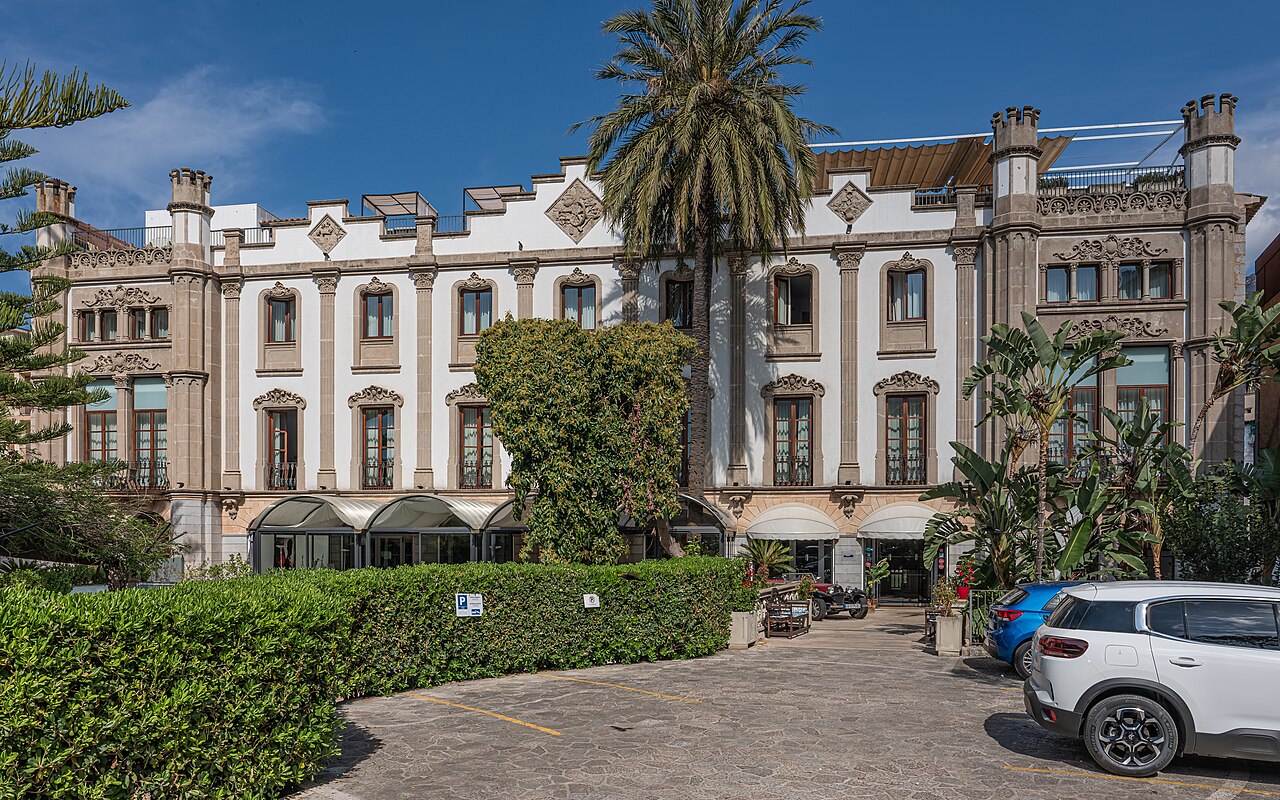
For a short trip, stay in Palma's old town or on the seafront in Portixol, and use day trips for everything else. A mountain hotel in Sóller is a good alternative if you want to spend more time in the Tramuntana, but you will need more time for Palma. If you travel with children, a hotel with a pool in Palma or on the coast west of the city works well.
If the weather turns
Mallorca has changeable weather outside summer, and rain can arrive suddenly. Keep a flexible plan: swap the mountain day for a museum and baths day, and use caves, the aquarium and covered markets as wet-weather options. Boat trips are the most weather-dependent, so keep them as the day you can move.
Packing and timing
Bring comfortable shoes for cobbles and hills, a light jacket for mountain evenings and sun protection at any time of year. Many places close for a long lunch, and restaurants serve dinner late, so adopt the local rhythm and use the middle of the day for rest. In July and August go out early and spend the hottest hours by water or in a cool museum. In winter, plan sightseeing for midday and expect shorter opening hours.
One extra day
If you can add a fourth day, spend it on the north: the cape road to Formentor, the old town of Alcúdia and a swim on the bay of Pollença. It is a different, calmer side of the island, and it suits a slower pace after the sightseeing of the first three days.