Many visitors come to Martinique for the beaches and the volcano and discover that the best memories are edible. The island's food and drink come from a layered history: French technique, African and Indian traditions, local fish and a farm-to-table approach that long predates the phrase. This guide focuses on the hands-on experiences that let you taste the island properly, from cooking classes to plantations and rum estates, and shows how to fit them into a trip.
Start with the basics: Creole cooking
A cooking class with a local host is the best way to understand the island's kitchen. You learn the seasoning paste of garlic, chive, chili and herbs, how lime and rum are used on fish and why slow stews anchor the Sunday meal. Classes are hands-on and end with a shared meal, and they are a good rainy-day or hot-afternoon plan. Tell the host about allergies and dietary needs in advance, and expect the menu to follow what was fresh at the market.
Ti punch and accras
If a full class feels like too much, the short ti punch and accras session teaches the island's signature drink and snack in a few hours. Ti punch is white rhum agricole with lime and cane syrup, mixed in the glass to your own taste, and accras are crisp fritters, traditionally made with salt cod. The class is sociable, needs no experience and works well before a beach afternoon, although it is for adults because of the rum, and you should not drive afterwards.
Rum, the island's pride
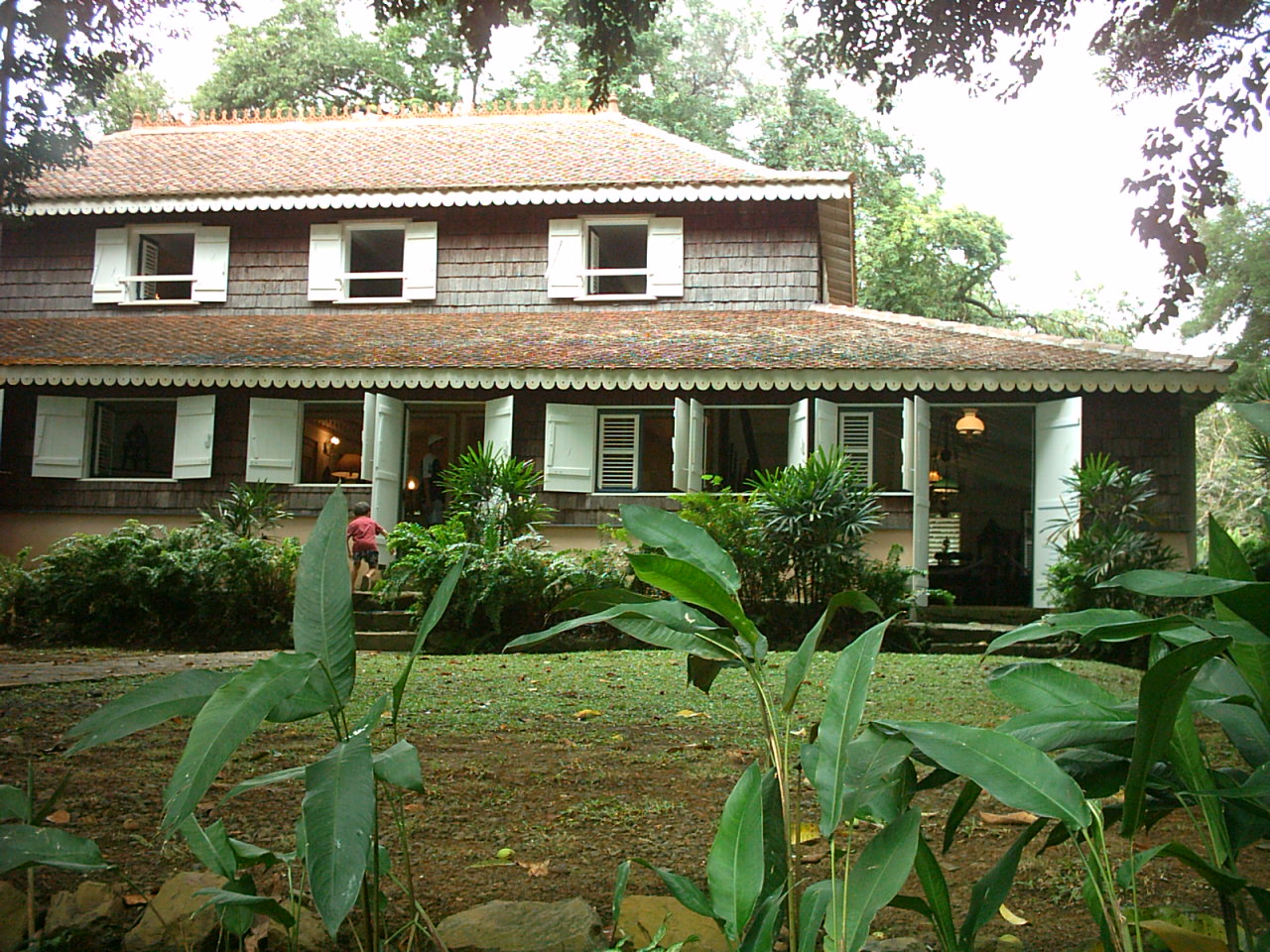
Martinique makes rhum agricole from fresh sugar cane juice rather than molasses, and the style has its own protected designation. A visit to an estate such as Habitation Clément or Distillerie Depaz shows the cane, the stills and the ageing cellars, and a tasting lets you compare white, amber and aged rums. Distillery visits are best in the morning or early afternoon, and many estates combine the tour with gardens or a historic house. Ask what is included and whether tastings are part of the visit, and plan transport so that nobody has to drive afterwards.
Plantations and farms
Two short farm experiences add context to what you eat. The cocoa plantation workshop follows the bean from pod to chocolate, with a tasting at the end, and the banana farm train takes you through the plantations that anchor the island's economy. Both are affordable, both suit families and both fit easily into a day with other plans. Cocoa and bananas are also a good introduction for children, who enjoy seeing where food comes from.
Markets and everyday eating
The covered market in Fort-de-France is the best place to see spices, tropical fruit, vegetables, rum and handmade preserves. Prices and stalls vary, and opening days change, so check locally. Roadside stands sell grilled fish, boudin, accras and fruit juices, and many beach villages have simple restaurants with set lunches. Order the catch of the day if you see it, and try a planter's punch or a fresh fruit juice with your meal.
Planning a food-themed day
A rewarding itinerary is a morning at a rum estate, a long lunch of fresh fish at a nearby village and an afternoon cooking or ti punch class. If you prefer something lighter, pair a plantation visit with a market stroll and an early dinner. Families can combine the cocoa workshop with a banana farm train ride, then finish with an ice cream by the sea. In each case, avoid scheduling more than two food activities in a day, since portions are generous and rum is stronger than it tastes.
Dietary needs
Salt cod, shellfish, pork and rum appear often in traditional dishes, so tell hosts about allergies, vegetarian or halal needs in advance. Hosts can usually adapt, but fresh ingredients drive the menu, so early notice is essential. Ask whether recipes can be shared and whether you can buy spice mixes or preserves to take home.
Practicalities
Most experiences are in French and English, though the level of English varies, so confirm the language of the class or tour when you reserve. Bring cash in euros for markets, tips and small purchases. Check airline and customs rules before buying bottles of rum, and wrap them carefully if they will travel in checked luggage.
Cruise passengers
Cooking classes and short farm visits can work on a port day if you give the host your ship name and all-aboard time. Choose experiences near Fort-de-France, confirm the travel time from the port and keep a generous buffer before re-boarding. Rum estates on the Atlantic coast are better suited to visitors staying on the island.