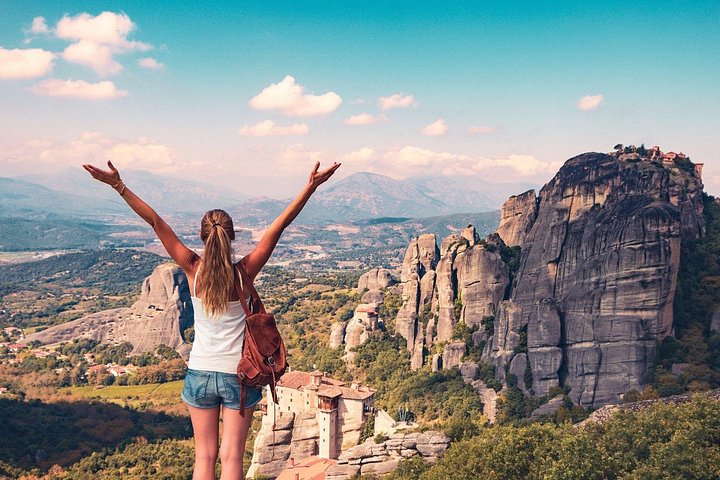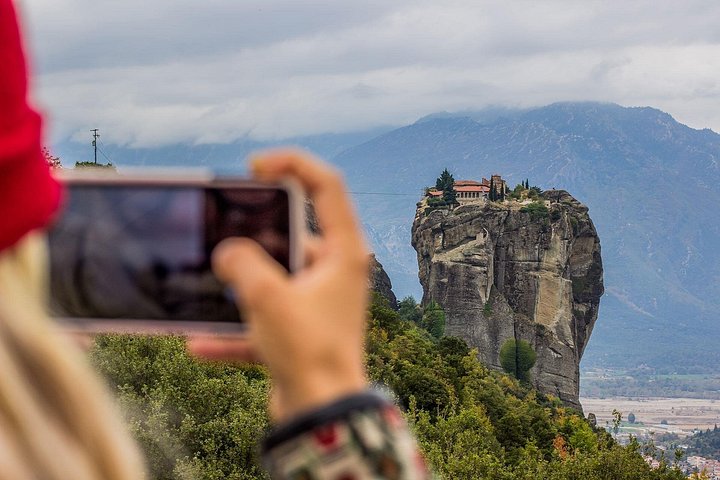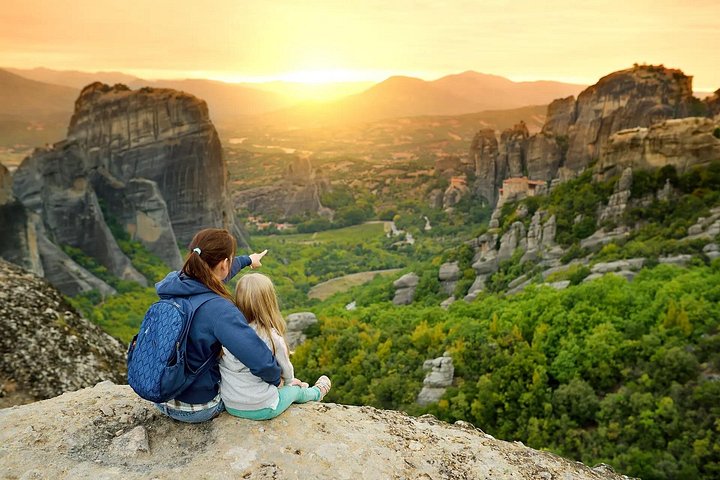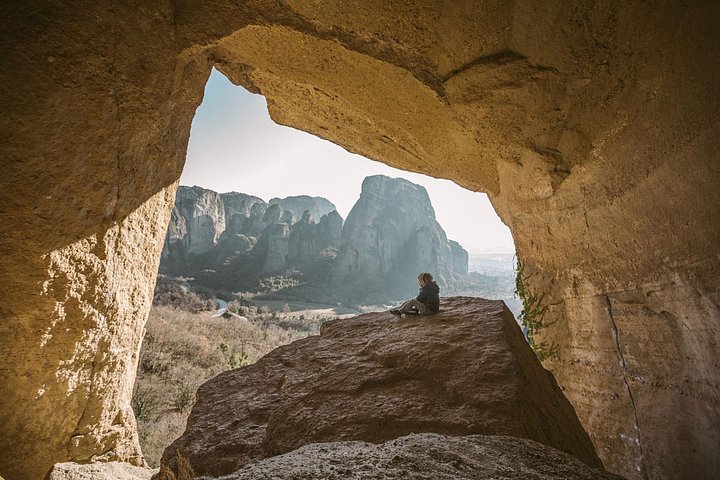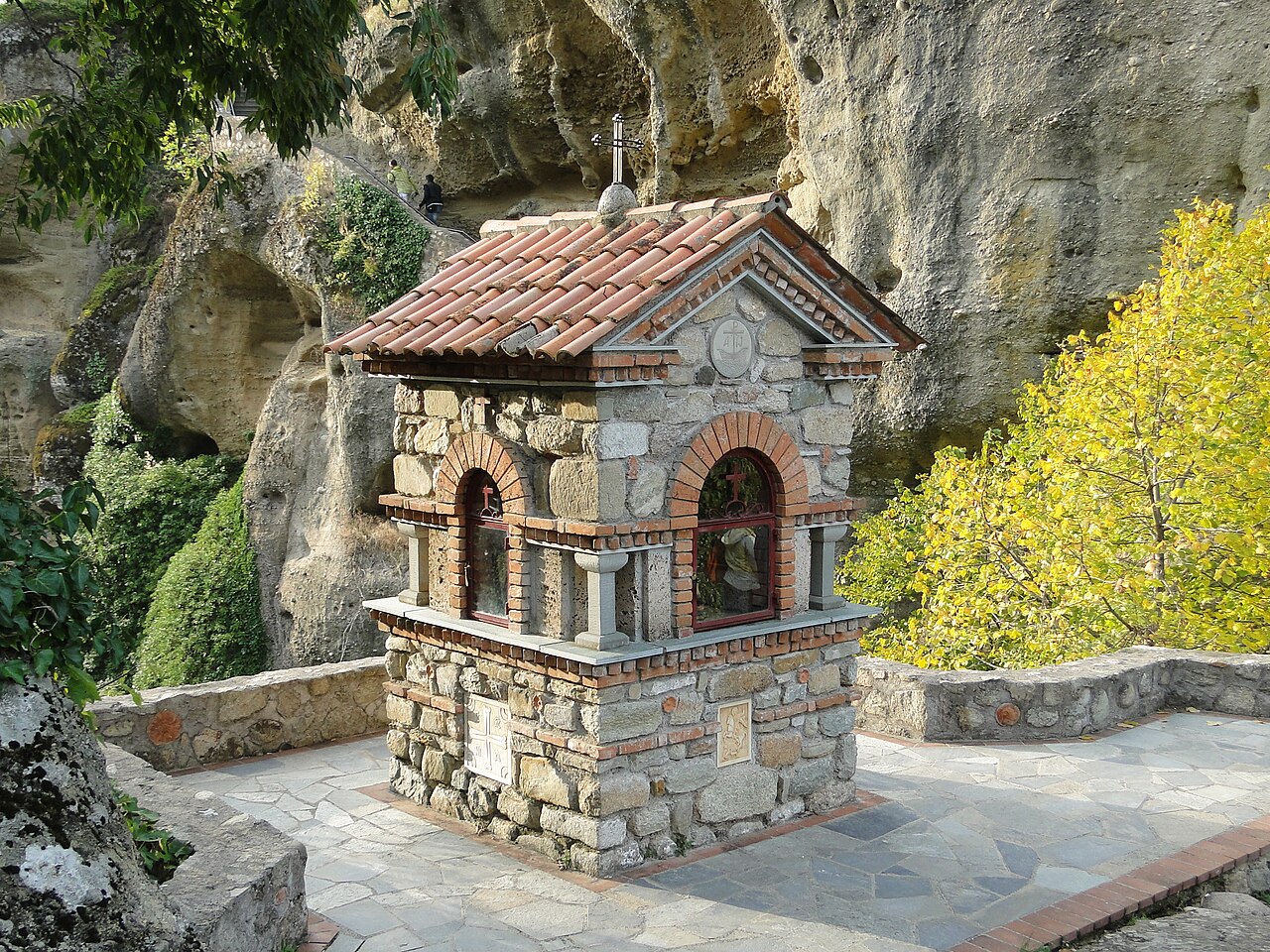
Meteora is a forest of sandstone towers above the plain of Thessaly, topped by monasteries that were built between the fourteenth and sixteenth centuries. The area was listed by UNESCO in 1988, and six of the original monasteries are still active. Most visitors base themselves in Kalambaka or the village of Kastraki, and a little planning decides whether you see two monasteries or six. Here is how to shape a first visit, with notes for winter.
Winter hours apply from 1 November
The monasteries follow a shorter winter schedule from 1 November to 31 March, and each has its own weekly closing day. On the local tourism site, Great Meteoron is closed on Tuesdays, Wednesdays and Thursdays in winter, Varlaam on Thursdays and Fridays, Roussanou on Wednesdays, Holy Trinity on Thursdays, St Nicholas Anapausas on Fridays and St Stephen on Mondays. Another source shows fewer closing days for Great Meteoron and Varlaam, so confirm before you go. On the stricter schedule, Saturday and Sunday are the only days when all six are open. Closing times fall in the middle or late afternoon, and Roussanou can close at 14:00 on weekdays.
What to book ahead
The monasteries need no booking. You pay a few euros in cash at the door, so carry small change. What is worth booking is a sunset tour, a hiking tour or a rock-climbing scramble, because small groups fill up and winter departures are fewer. If you have no car, a half-day guided tour with transfers solves the transport problem, since local buses are limited and seasonal.
Dress code
The monasteries are active places of worship. Women need a skirt below the knee and covered shoulders, men need long trousers, and sleeveless tops are not allowed for anyone. Wrap-around skirts may be lent at some entrances, but do not rely on them.
How many days
One full day lets you see two or three monasteries and a sunset viewpoint, and most visitors cannot comfortably enter more than that in a day. Two days allow all the main monasteries and a hike or scramble. A third day adds the hermit caves and a slow walk around Kalambaka. A day trip from Athens is possible, but it is a long day of about fourteen hours.
Getting around
Kalambaka has a train station, and intercity buses also serve the town. Once there, taxis, guided tours and private transfers are more reliable than local buses for reaching the monasteries. A rental car gives the most freedom, and parking is available near the monasteries. Walking from Kastraki to St Nicholas Anapausas is possible, while the others are too far to walk comfortably.
Where the headline sights fit
Start with Great Meteoron on a day when it is open, then Varlaam. Visit Roussanou and St Nicholas Anapausas on another morning, and Holy Trinity and St Stephen when their closing days allow. Keep the late afternoon for a sunset tour or a walk to the hermit caves. Rock climbing and hiking fill a spare morning.
Rainy-day plans
Low cloud can hide the rocks, which is dramatic in its own way. Use wet days for a long lunch in Kalambaka, the church of the Dormition and a monastery interior, and save the viewpoints for the clear day that usually follows.
Winter packing
Mornings on the rock are cold and windy even on sunny days, so bring a windproof layer, shoes with grip and a hat, and keep a scarf or long skirt in your bag for monastery entrances. Daylight is short, so start early and plan the monasteries before the mid-afternoon closing times.
Food and manners
Try grilled meats, local pies and a glass of regional wine in the tavernas of Kalambaka and Kastraki. Keep voices low and do not photograph inside the churches.