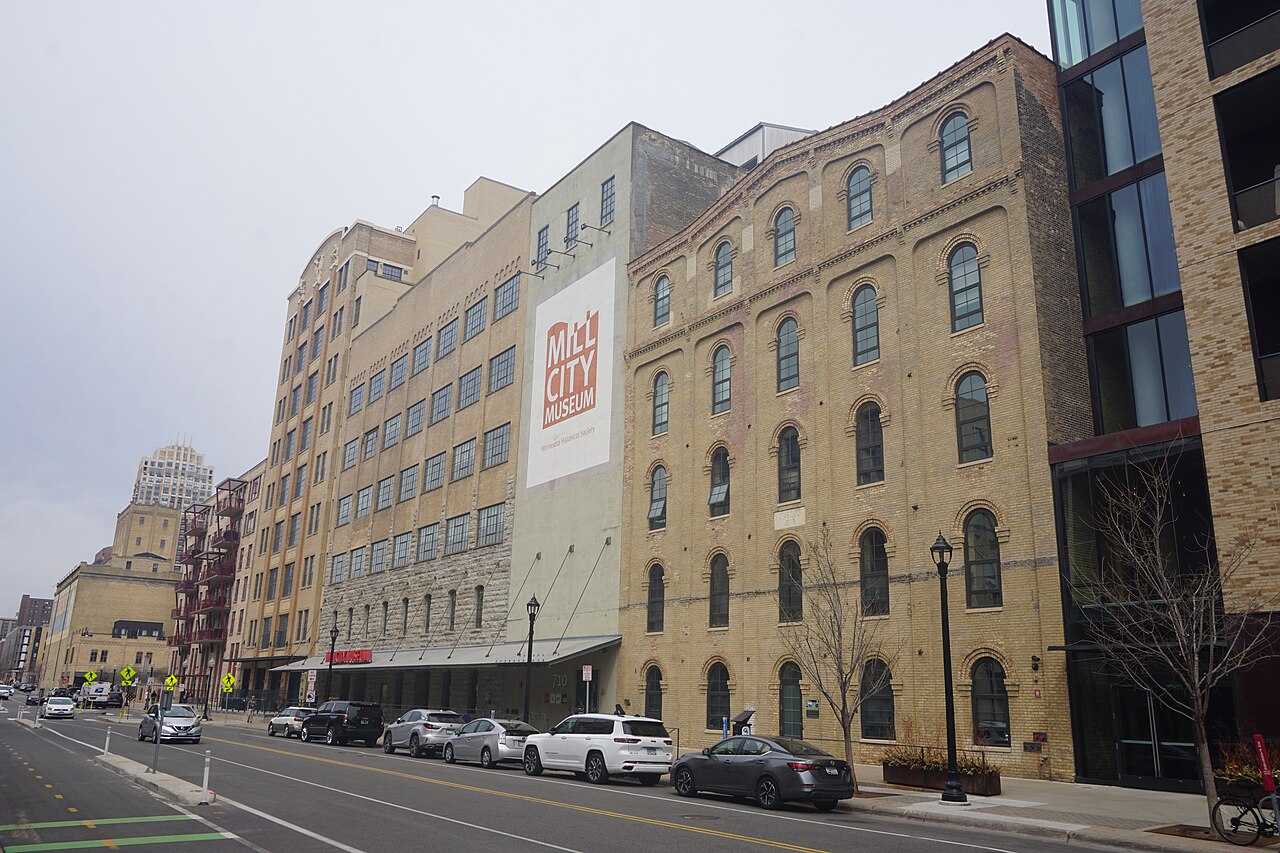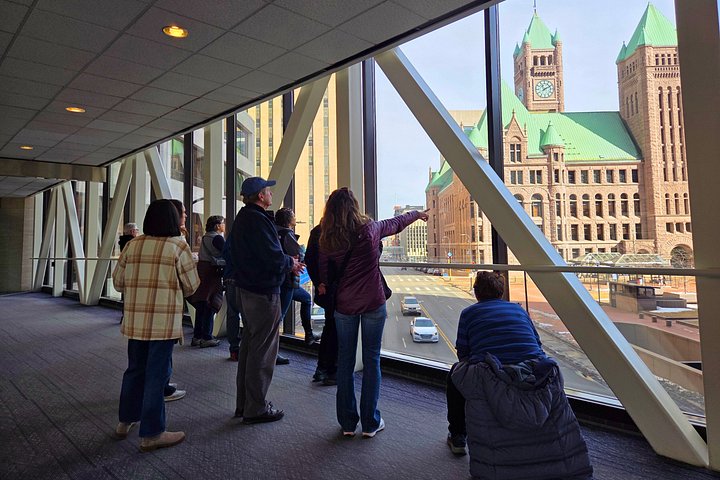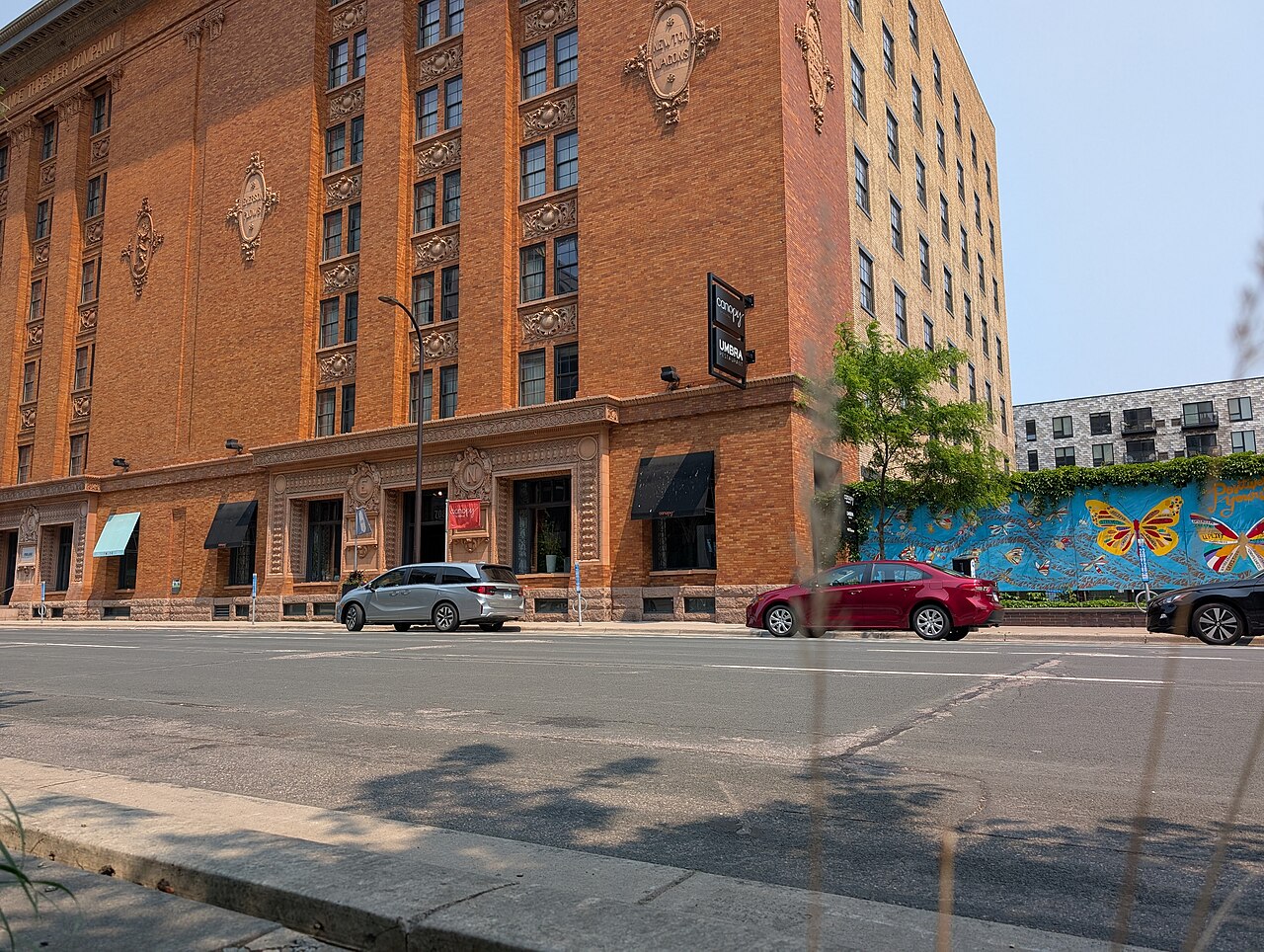
Minneapolis grew from a mill town on the Mississippi into the commercial center of the Upper Midwest, and its downtown still shows layers of that history. The Past and Present Walking Tour is a guided walk that moves between the old and the new, pointing out landmarks, buildings and public spaces and explaining how they connect. You learn how the falls on the river powered the flour mills, how railroads and banks shaped the downtown, and how recent development has changed the skyline and the riverfront. A good guide makes the connections clear, so that a building you might have passed without a glance becomes a piece of the city’s story. The tour suits first-time visitors who want a general introduction, people who enjoy architecture and history, and anyone who would rather learn about a city from a person than from a plaque. It is a good activity for the first morning of a trip, since it helps you get your bearings and decide where to spend more time. The pace is gentle, the route is within the downtown area and the tour is manageable for most visitors, though you should check the details for accessibility.
Planning
Check the meeting point, start time and length when you book, and arrive a few minutes early. The walk is outdoors for much of the route, so dress for the weather, with layers and a hat in winter and sun protection in summer. Wear comfortable shoes, since you will be on your feet for the duration, and bring water. If the weather is severe, check how the operator handles it and whether the route can be adapted to use the skyways.
What to expect
A walking tour that links downtown streets, riverfront views and historic buildings, with commentary from a local guide. The tour may cover the origins of the city, the flour milling industry, the arrival of the railroads, the growth of banking and the architecture of the central business district. A good guide invites questions and adapts to the group’s interests, so ask about whatever fascinates you. Expect to stand for short periods at each stop, and note that some details of the route may change with the season and with construction.
Making the most of it
Take the tour early in your trip, then visit the places that interest you in more depth, such as the Mill City Museum, the Stone Arch Bridge and the Minneapolis Institute of Art. If you prefer to be out of the weather, the skyway walking tour covers the downtown from the inside, and the narrated trolley tour offers a seated alternative.
Combine the walk with lunch in a downtown restaurant or a food tour for a full day. For history lovers, the tour makes a good companion to the Minnesota History Center in Saint Paul. Bring a camera for the riverfront views, which are especially good in the late afternoon.
A few practical extras
Downtown streets can be windy and cold, especially near the river and between tall buildings, so a scarf and gloves are worth packing between late autumn and early spring. If you have limited mobility, ask the operator about the pace and whether benches are available along the route. Take photographs at the stops that interest you, since they make a useful guide for revisiting on your own.
What to expect
The experience
A guided walking tour linking Minneapolis’s milling and railroad past with the modern downtown.
Best time
Morning or afternoon, early in your trip.
How long
Check the length when you book.
Tips
Dress for the weather, wear comfortable shoes and arrive early.
Quick picks
- Best for
- First-time visitors and anyone interested in history and architecture.
- Families
- Works for older children who like stories.
- Couples
- A relaxed way to see the city together.
- Pair with
- The Mill City Museum and the Stone Arch Bridge.
- Time needed
- Check the length when you book.
Good questions
What does the tour cover?+
The city’s milling and railroad past, its architecture and how the modern downtown developed.
Is it a good first-day activity?+
Yes. It helps you get your bearings and decide where to spend more time.
What should I wear?+
Comfortable shoes and weather-appropriate layers, since much of the route is outdoors.
Is it accessible?+
Check the details with the operator when you book.
Can I take it in winter?+
Yes, but dress warmly and ask how the operator handles severe weather.