Dexter Avenue King Memorial Baptist Church is a modest red-brick building at the foot of the hill below the Alabama State Capitol, and it carries a place in American history far larger than its size. Dr. Martin Luther King Jr. became its pastor in 1954 at the age of twenty-five, and from its basement fellowship hall he and other leaders organized the 1955 bus boycott after Rosa Parks was arrested. The Montgomery Improvement Association was formed in the city that December, and Dexter became one of the places where strategy, sermons and mass meetings fed the movement. Today the church is a National Historic Landmark, still home to a working congregation, and open to visitors for guided tours that tell the story of the building, the congregation and the years when the movement grew around it. The sanctuary is plain and intimate, and standing in it you can feel how close the church sits to the Capitol that the marchers later reached.
The church was built in the early 1880s and has been a spiritual home to Black Montgomery since then. In 1978 it was renamed in King's honor. A guided visit usually begins in the sanctuary, where guides explain the congregation's history and the role of the church in civil rights organizing, and moves to the lower level, where murals depict King's life and leadership.
Hearing the story told in the space where it happened is different from reading about it in a museum. Because the church is active, tours are scheduled around services and community events, and the visiting days are limited, so planning ahead matters.
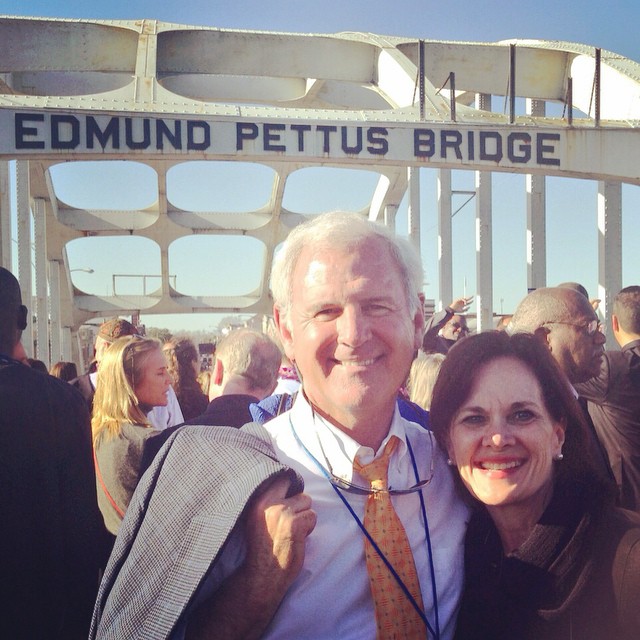
Dexter is easy to combine with other stops on the same short walk. The Alabama State Capitol sits at the top of Dexter Avenue, where the 1965 Selma to Montgomery marchers ended their route, and the Rosa Parks Museum, the Civil Rights Memorial Center and Court Square are within easy walking distance. Many visitors also continue to the Dexter Parsonage Museum, the home where King lived with his family, which is run by the same organization.
A guided civil rights tour that includes Dexter in its route is a good way to see these stops with a local guide and context, which is why the private civil rights tour is the paid link for this entry.
What to know before you go
Visits are typically by guided tour, and slots can fill, especially in spring and around national holidays. The congregation welcomes visitors with respect, so dress modestly and keep voices low in the sanctuary. Photography may be limited in some spaces, and donations are appreciated to support upkeep of the historic building.
The entrance and parts of the interior have steps, so ask about access when you contact the church. A tour takes about an hour. Arrive a few minutes early, since the group leaves on time, and if you are visiting on a Sunday, check whether worship services are open to visitors.
The church also makes sense as the starting point for a self-guided walk. From the sanctuary steps you can look straight up the avenue to the Capitol dome and down toward the fountain at Court Square, a view that frames the whole story of the movement in Montgomery.
Reading about the boycott beforehand, or listening to recordings of King's sermons from his Dexter years, adds depth to the stop. If you only have time for a few places in the city, this church, the Rosa Parks Museum and the Legacy Museum together tell the most complete short story.
What to expect
The experience
A guided tour of the sanctuary and lower level of a working historic church.
Best time
Morning on a tour day, avoiding service times.
How long
About an hour.
Tips
Check the visiting days, arrive early, dress modestly and pair it with the Capitol and the parsonage.
Quick picks
- Best for
- Visitors who want to stand where the boycott was planned.
- Families
- Good for older children and teens interested in history.
- Couples
- A short, meaningful stop on a downtown walk.
- Pair with
- The Dexter Parsonage Museum and the Alabama State Capitol.
- Time needed
- One hour.
Good questions
Who was the pastor of Dexter Avenue Baptist Church?+
Dr. Martin Luther King Jr. served as pastor from 1954 to 1960, during the years of the Montgomery bus boycott.
Can I visit the church?+
Yes, usually on guided tours on limited days. Check the schedule before you arrive, as services and events come first.
How long is the tour?+
About an hour, including the sanctuary and the lower level.
Is it near the Capitol?+
Yes, at the foot of the avenue below the State Capitol, a short walk from the Rosa Parks Museum.
Can I see it on a guided civil rights tour?+
Yes. Private civil rights tours of Montgomery normally include Dexter Avenue Church among the stops.