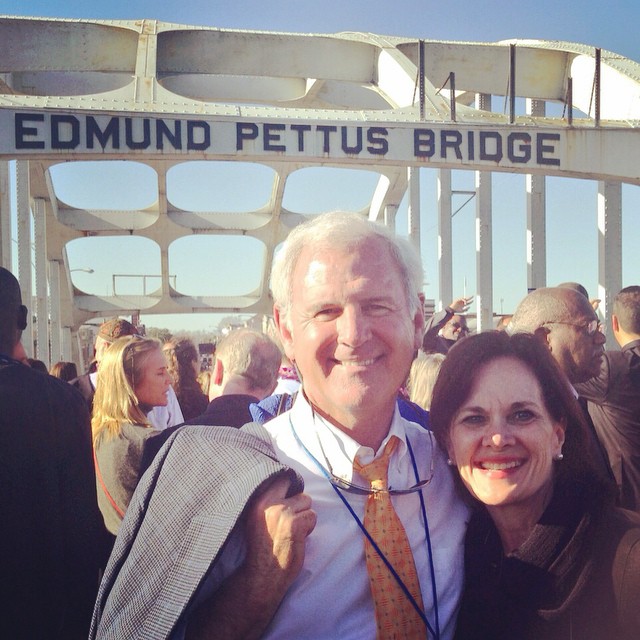
The Edmund Pettus Bridge in Selma is one of the most recognizable symbols of the American civil rights movement. On March 7, 1965, about six hundred marchers set out from Brown Chapel AME Church to walk to Montgomery in support of voting rights. As they crossed the bridge over the Alabama River, state troopers and sheriff's deputies attacked them with clubs and tear gas, an event that became known as Bloody Sunday. Television footage shocked the nation and helped build support for the Voting Rights Act, which was signed later that year. Today the steel arch bridge is a National Historic Landmark and the starting point of the Selma to Montgomery National Historic Trail. Selma lies roughly an hour west of Montgomery along US Highway 80, the same road that the marchers followed, so it makes an essential day trip for anyone interested in the story.
Visitors can walk across the bridge on the pedestrian path, view the river from the crest and stand where the marchers were stopped. Signs and markers explain the events, and the climb to the top gives a sense of why the troopers waiting on the far side were so hidden from the marchers' view.
The bridge is named for a Confederate general and Ku Klux Klan leader, a contradiction that adds to its complexity and that many local people and visitors discuss. The walk is short but powerful, and it is free at any time of day, though daylight is best.
Allow time to see more of Selma. The National Voting Rights Museum and Institute stands at the foot of the bridge, and Brown Chapel AME Church and the Selma Interpretive Center add context. A park ranger-led program or a walking tour of Selma's historic districts can deepen the day. Along Highway 80 toward Montgomery, the Lowndes County Interpretive Center in Hayneville tells the story of the march's third phase, and the road is dotted with markers. The trail is best enjoyed with a car and a full day.
Practical tips
The bridge carries traffic, so use the sidewalk and cross carefully. Summer heat can be intense, so go in the morning, bring water and wear a hat. Parking is available near the museum and along nearby streets. Many visitors time their trip for the annual commemoration in early March, when crowds and events fill the town, though those days require patience and planning.
At other times of year Selma is quiet and welcoming, and local restaurants serve Southern lunch. Treat the bridge with the respect due to a place of sacrifice, and take time to read the markers.
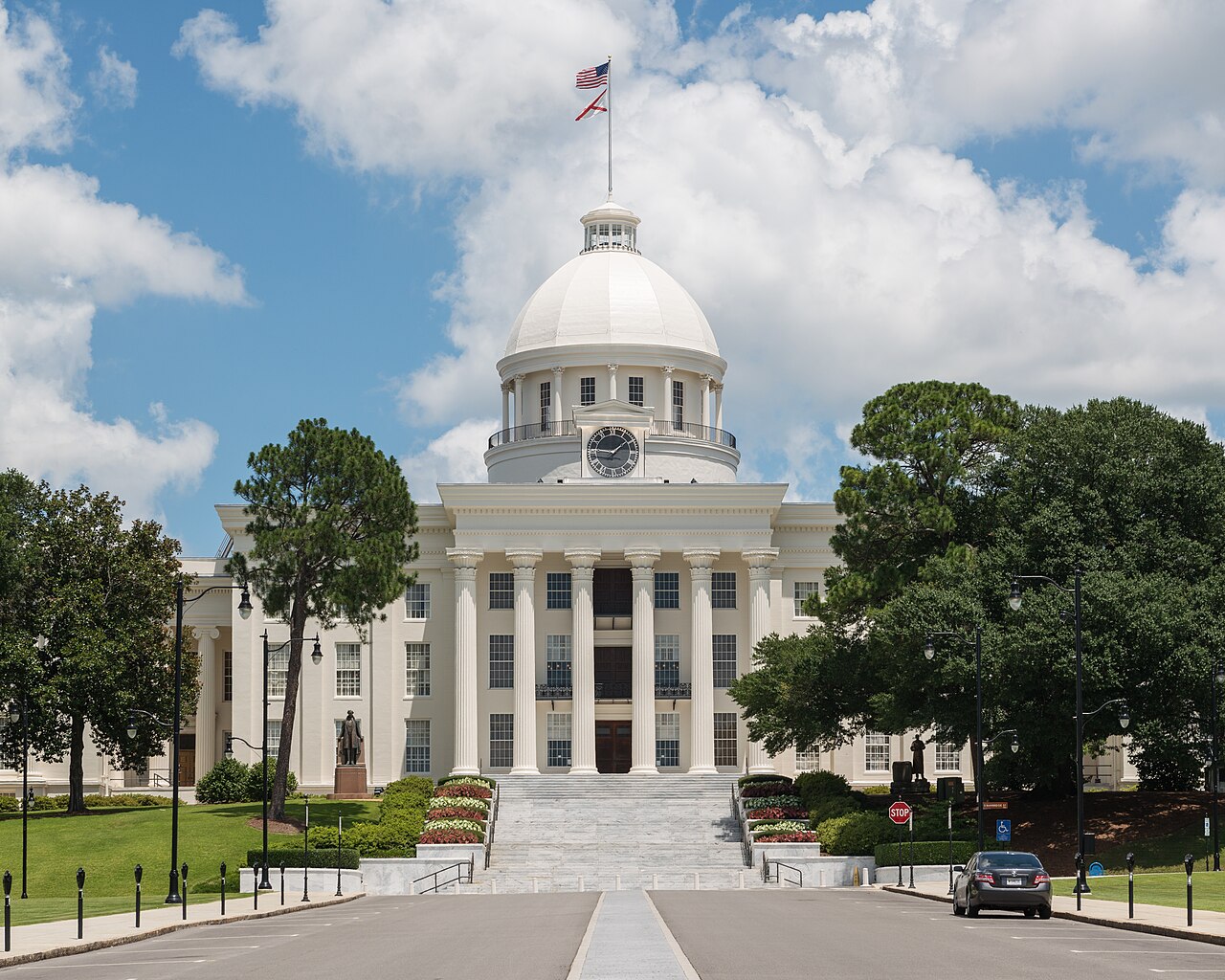
Combine the visit with a drive back along the trail toward Montgomery, stopping at markers and, if time allows, the Lowndes County Interpretive Center. Arriving at the Capitol steps at the end of the day, where the marchers finished their journey, gives the trip a satisfying arc and a clear sense of how far the marchers walked and what they accomplished.
If you are driving, consider following the route of the Selma to Montgomery National Historic Trail on the way back, stopping at the interpretive center and the roadside markers. Ask local people about their memories of the march, as many are glad to share them with respectful visitors.
What to expect
The experience
A free walk across a historic bridge with markers, plus nearby museums and church sites in Selma.
Best time
Mornings, outside the early-March commemoration crowds.
How long
One to two hours at the bridge, a half day in Selma.
Tips
Use the sidewalk, bring water, add the voting rights museum and plan the drive from Montgomery.
Quick picks
- Best for
- Anyone following the voting rights story from Montgomery.
- Families
- Meaningful for teens; the walk is short.
- Couples
- A reflective day trip by road.
- Pair with
- The National Voting Rights Museum and Institute.
- Time needed
- Half a day with the drive.
Good questions
What happened on the bridge?+
On March 7, 1965, state troopers attacked marchers on what became known as Bloody Sunday.
How far is Selma from Montgomery?+
About fifty miles, roughly an hour along US Highway 80.
Can I walk across it?+
Yes, there is a pedestrian path and it is free.
What else is in Selma?+
The National Voting Rights Museum, Brown Chapel AME Church and the Selma Interpretive Center.
When is the busiest time?+
Early March, during the annual commemoration of Bloody Sunday.