Montgomery is one of the central cities of the American civil rights movement, and its sites tell the story from several angles. This guide follows a logical order, from the bus boycott to the Freedom Rides to the march from Selma, and ends with the modern sites that connect that history to the present. Most of the places are within a short walk or drive of each other, so a day or two is enough for the core route.
The bus boycott
On December 1, 1955, Rosa Parks refused to give up her seat on a Cleveland Avenue bus, and the arrest that followed triggered a boycott that lasted 381 days. The Rosa Parks Museum, operated by Troy University near the site, uses a guided bus exhibit and galleries to tell the story, with a children's wing that works well for families. The museum shows how the boycott was organized by a community, with carpools, church meetings and the legal case that ended segregated buses.
Dexter Avenue and the parsonage
Dexter Avenue King Memorial Baptist Church, where Dr. King served as pastor from 1954 to 1960, is a short walk from the museum. Guided tours take in the sanctuary and the lower level. A few blocks away, the Dexter Parsonage Museum preserves the family home that was bombed in January 1956. Both are small and personal, and together they show how leadership and family life intertwined during the boycott.
The Freedom Rides
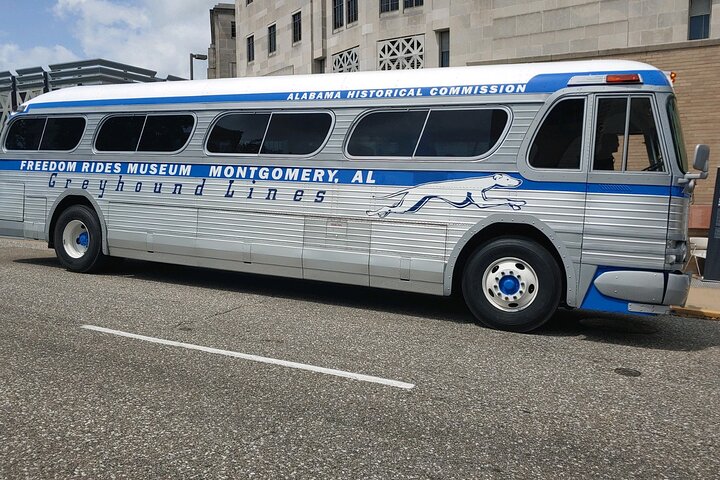
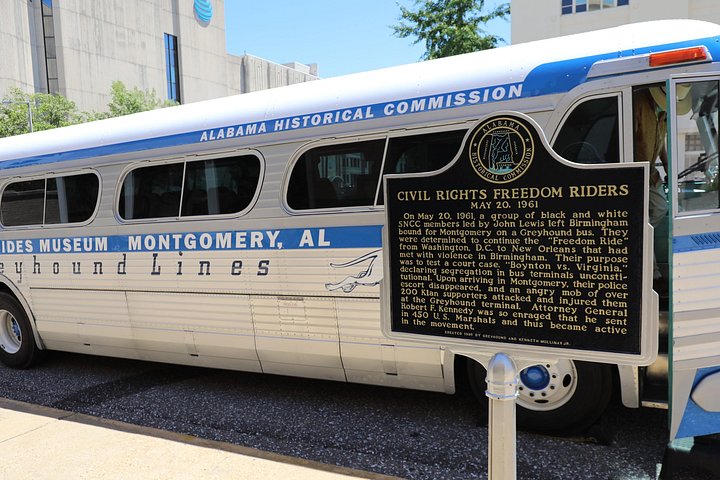
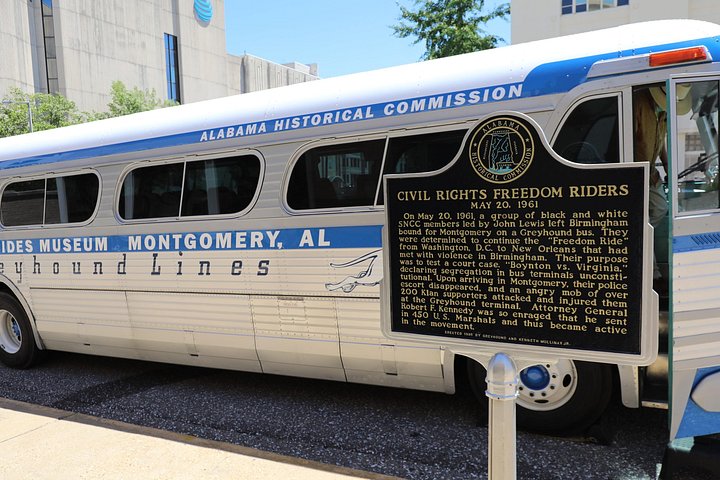
The Freedom Rides Museum occupies the former Greyhound station where, on May 20, 1961, a mob attacked Freedom Riders arriving from Birmingham. The restored building is a National Historic Landmark, and its exhibits tell of young activists who risked their lives to test federal rulings against segregation in interstate travel. Opening days are limited, so check ahead.
The Civil Rights Memorial Center
Maya Lin's memorial, a curved wall and a round table with flowing water, honors forty-one people who died in the struggle between 1954 and 1968. The adjacent center, run by the Southern Poverty Law Center, offers exhibits and a Wall of Tolerance. It is one of the most contemplative stops on the route.
The State Capitol
At the top of Dexter Avenue, the Alabama State Capitol is where the Selma to Montgomery marchers ended their walk on March 25, 1965, with a rally addressed by Dr. King. The same portico saw Jefferson Davis take the oath in 1861, a juxtaposition that makes the building unforgettable. Entry to the public areas is free on weekdays.
Selma
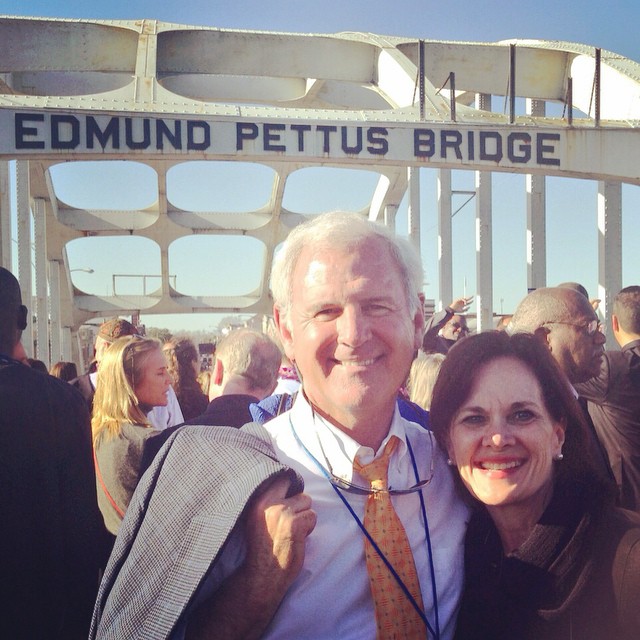
About an hour west, Selma is where the 1965 campaign began. The Edmund Pettus Bridge is the site of Bloody Sunday, March 7, 1965, and the National Voting Rights Museum and Institute stands at its foot. Brown Chapel AME Church was the headquarters for the marches. The Selma to Montgomery National Historic Trail follows the route back along Highway 80. Plan a half day or a full day.
The Equal Justice Initiative sites
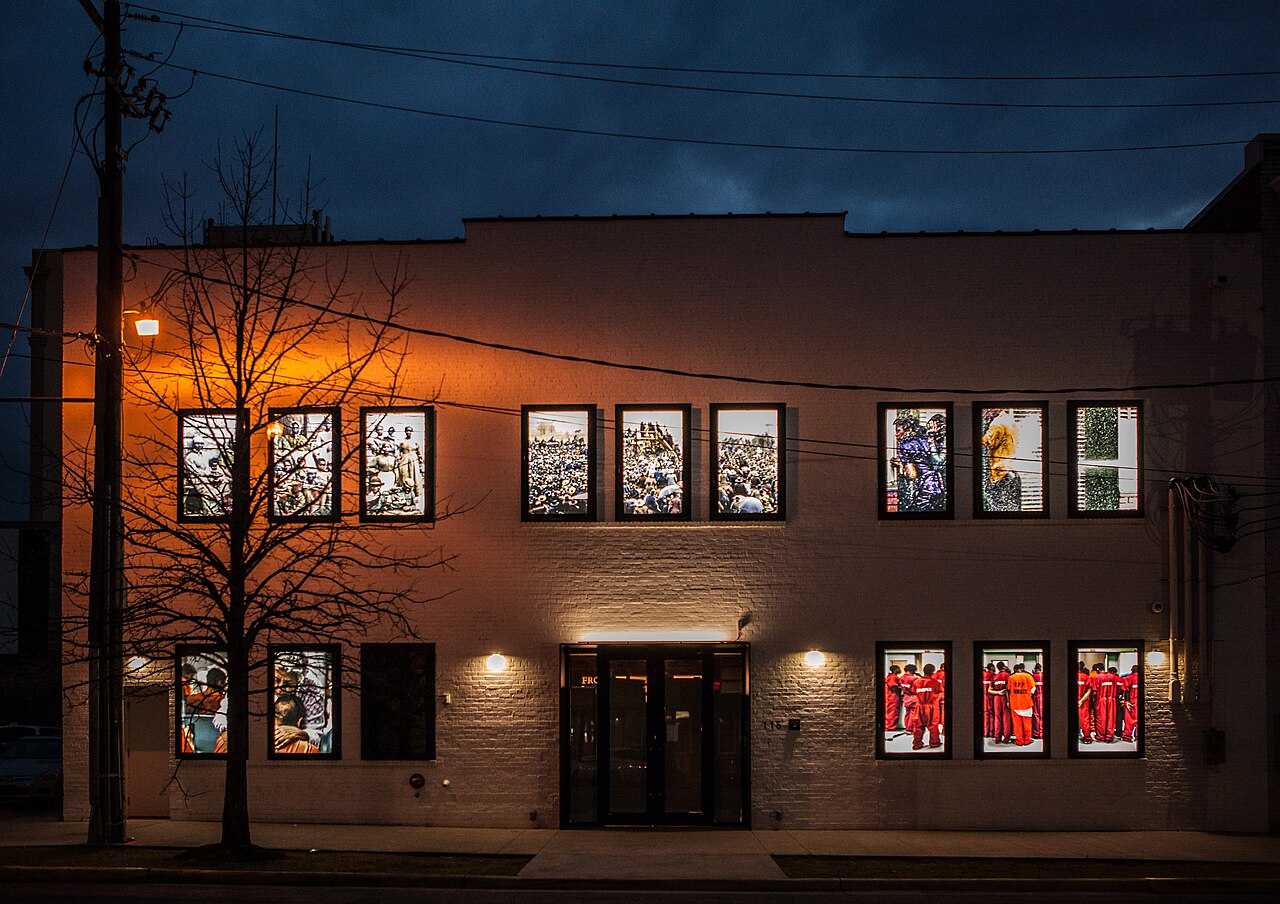
The Legacy Museum, the National Memorial for Peace and Justice and the Freedom Monument Sculpture Park broaden the story to include enslavement, lynching, Jim Crow and mass incarceration. They are demanding but deeply meaningful, and many visitors say they changed how they understood the country. Book timed entry, check the weekly closing day and allow generous time.
How to see it all
A private guided tour is the most efficient way to see the core sites with a local voice, and the self-guided Walk of Freedom is an affordable alternative. A multi-attraction pass can bundle several museums. For a two-day plan, spend the first day on the downtown sites and the second on the Equal Justice Initiative sites, with a Selma day trip added if you have a third day.
Practical notes
Wear comfortable shoes, carry water and plan indoor and outdoor stops to avoid heat fatigue. Some content is graphic, so prepare younger visitors. Be respectful at active churches and memorials, and ask before photographing. Take time for meals and rest, and consider reading a book or watching a documentary before you go, so that the places carry their full weight.
Reading and listening before you go
A little preparation deepens the experience. Books about the bus boycott, the Freedom Rides and the Selma campaign are widely available, and documentaries and recorded speeches bring the period to life. For children and teens, age-appropriate histories can open conversations. Having a basic timeline in mind, from 1955 to 1965, helps the sites fall into place as you move between them.
Connecting the sites
The most powerful way to see the trail is to notice how close everything is. The church, the Capitol, the bus station and the museum all lie within a short walk, which helps explain how a movement could be organized in such a compact city. Standing at the top of Dexter Avenue and looking down toward the church, then turning to the Capitol behind you, shows how geography and history overlap in Montgomery.