Montgomery sits in the middle of some of the most significant civil rights landscapes in the country. Two day trips stand out: Selma, about an hour west, and Tuskegee, about forty minutes east. This guide explains what each offers, how to plan the drive and when to go.
Selma
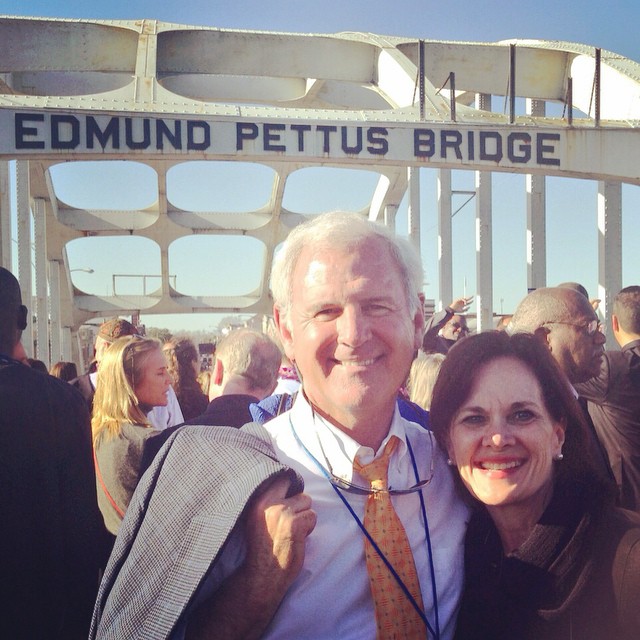
The drive follows US Highway 80, the route of the 1965 Selma to Montgomery march, and takes roughly an hour. In Selma, the Edmund Pettus Bridge is the focal point. You can walk across the pedestrian path to the crest, where the marchers were stopped on Bloody Sunday, March 7, 1965. The National Voting Rights Museum and Institute stands near the bridge, with exhibits about the foot soldiers of the movement. Brown Chapel AME Church, the headquarters of the marches, and the National Park Service interpretive center add context. Allow a half day to a full day, with lunch in town.
The trail home
On the way back, the Selma to Montgomery National Historic Trail passes roadside markers and the Lowndes County Interpretive Center in Hayneville, which tells the story of the final days of the march. Finishing at the Alabama State Capitol, where the marchers arrived on March 25, 1965, gives the day a satisfying arc. Plan to leave Selma by mid-afternoon to see the Capitol before it closes.
Tuskegee
East of Montgomery, Tuskegee Airmen National Historic Site at Moton Field preserves the airfield where Black pilots trained for the Army Air Forces starting in 1941. Hangar 1 houses a museum, and rangers lead tours. The Tuskegee Institute National Historic Site, nearby, includes Booker T. Washington's home, The Oaks, and the George Washington Carver Museum. Allow a half day for both sites. National Park Service sites typically have free admission, but check hours first.
Planning the drive
Fill the gas tank before leaving Montgomery, carry water and snacks and download offline maps in case of weak signal on rural stretches. Check opening hours for each site, because several have limited schedules, and consider calling ahead for groups. A guided private tour can handle the driving and the storytelling together.
Best seasons
Spring and autumn are the most pleasant times to visit, with mild temperatures and lower humidity. Summer is hot and humid, and thunderstorms can roll in on afternoons. Winter is mild, with occasional cold snaps and a few days of freezing rain. If you travel in summer, schedule outdoor sights for morning and bring sun protection.
Events
Early March brings the annual commemoration of the Selma marches, with large crowds, speakers and services in Selma and Montgomery. It can be a profound time to visit, but hotels fill and roads are busy, so plan well ahead. Football weekends in autumn at nearby universities can also tighten lodging. Winter holidays bring candlelit programs at some historic sites.
Safety and comfort
Montgomery and the surrounding area are generally easy for visitors, but use normal urban precautions. Keep valuables out of sight in your car, stay hydrated and wear comfortable shoes. In summer, take breaks in air conditioning. Some rural areas have limited services, so top up fuel and snacks in advance.
A sample day
Leave Montgomery at eight in the morning for Selma, walk the bridge by half past nine, visit the museum and church, have lunch in town, then drive back along the trail by mid-afternoon. In the evening, enjoy a quiet dinner and rest. For Tuskegee, leave at nine, spend the morning at Moton Field, lunch in town and return in the afternoon with time for the Institute. Combining both in one day is possible but tiring; two separate days are better.
Pairing with Montgomery sites
The day trips work best when you have already seen the main Montgomery sites, because the story then flows from Selma to the Capitol to the museums. If you visit Selma first, the Capitol steps and the Legacy Museum take on added meaning. Tuskegee, meanwhile, pairs naturally with a visit to the Museum of Alabama and the civil rights sites, showing how education, military service and protest all contributed to change.
Guided options
If you would rather not drive, ask about private tours that include Selma or Tuskegee, and compare group size, length and pickup options. A knowledgeable guide can add local stories and arrange stops at lesser-known markers. Whether you drive or ride, bring a hat, water and a charged phone, and allow more time than you expect, because the places along the route invite lingering.