Montgomery is a small capital with an outsized place in American history. It sits on the Alabama River in the south-central part of the state, and within a few downtown blocks you can stand where Jefferson Davis was sworn in as president of the Confederacy, where the Montgomery bus boycott was organized and where thousands of marchers ended the walk from Selma in 1965. That compression of history is what makes the city so rewarding, and also what makes it worth planning with some care. This guide covers the essentials: what to see, how the pieces fit together and how to pace the days.
Start with the story
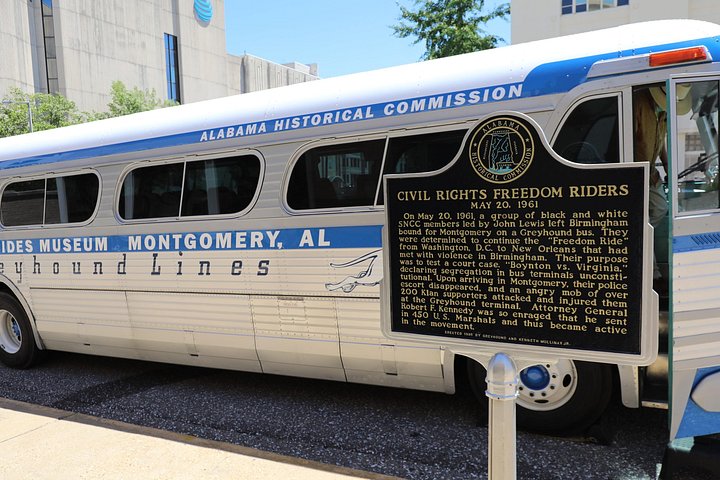
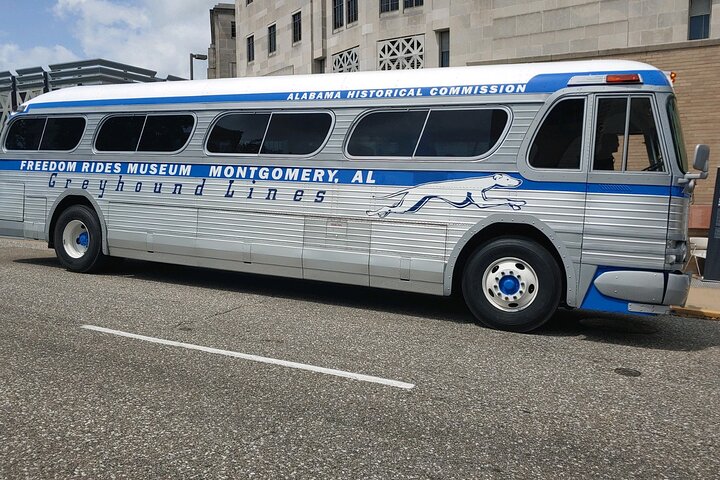
Many first-time visitors begin with the civil rights sites, and for good reason. The Rosa Parks Museum tells the story of the arrest on December 1, 1955 and the 381-day boycott that followed. Dexter Avenue King Memorial Baptist Church, where Dr. Martin Luther King Jr. was pastor, stands at the foot of the hill below the State Capitol. The Dexter Parsonage Museum, the Civil Rights Memorial Center and the Freedom Rides Museum are all within walking distance. These smaller sites build the picture of how a movement was organized by ordinary people.
Then go deeper
The Legacy Museum and the National Memorial for Peace and Justice, created by the Equal Justice Initiative, are the heart of the modern visitor experience. The museum traces a line from enslavement to mass incarceration, and the memorial honors the victims of racial terror lynchings with hundreds of hanging steel monuments. A third site, the Freedom Monument Sculpture Park, sits beside the river. Book timed tickets ahead, check the weekly closing day and leave space around these visits, because they are emotionally demanding. Many people find it helpful to visit them in the morning and to keep the afternoon lighter.
The Confederate chapter
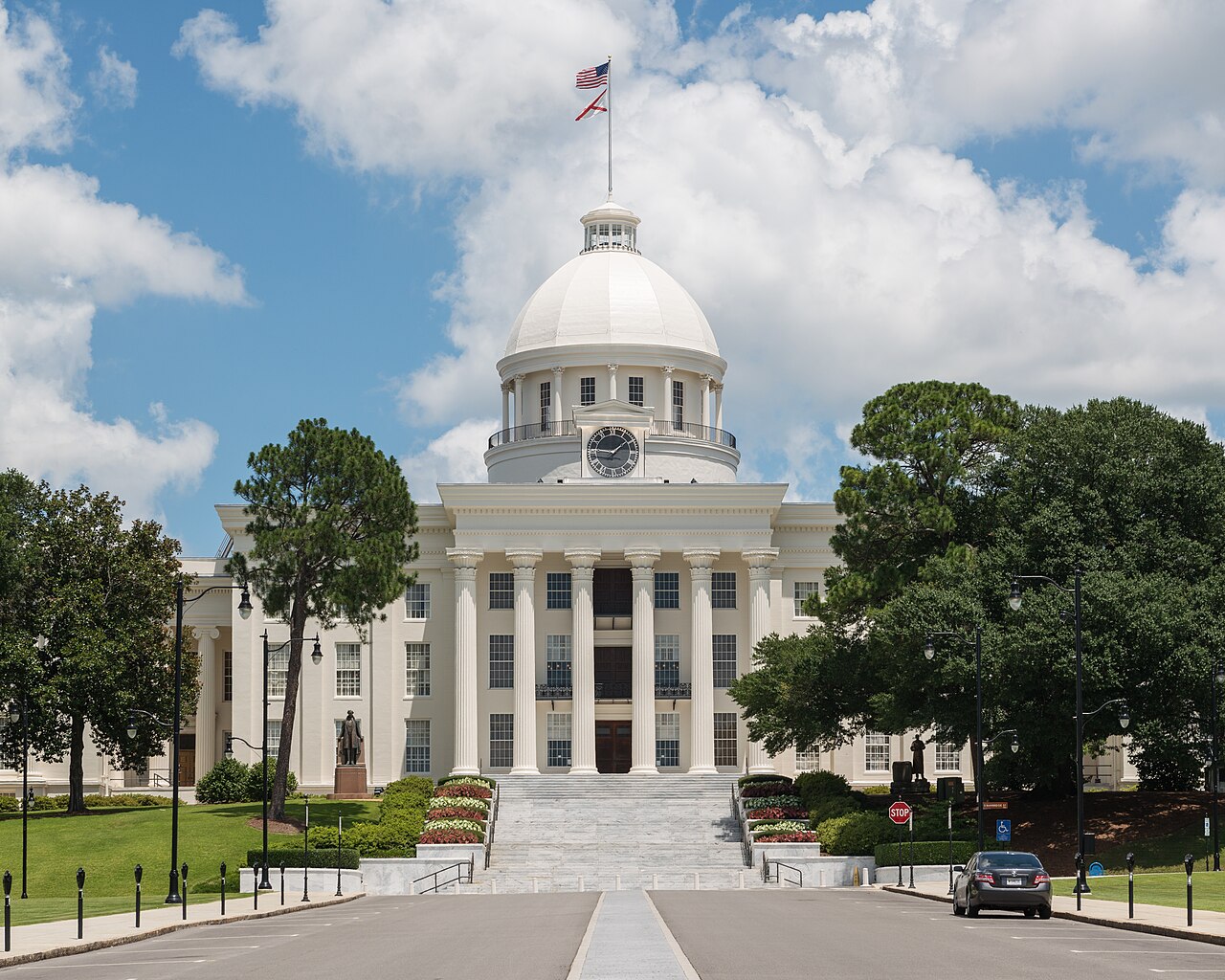
Montgomery was the first capital of the Confederacy, and the Alabama State Capitol, with its brass star on the portico, is the main reminder. The First White House of the Confederacy, nearby, preserves the Davis family home. Seeing both sides of the city's story within a few blocks is what gives Montgomery its complexity, and it is worth approaching with an open mind. The Museum of Alabama, a free museum inside the state archives, provides the longer sweep of state history.
Beyond the headline sights
The Hank Williams Museum honors the country music legend and houses the Cadillac he died in. Old Alabama Town shows nineteenth-century daily life, the Montgomery Zoo is the top family outing and the Montgomery Museum of Fine Arts, in the Blount Cultural Park, is a free art museum beside the Alabama Shakespeare Festival. Riverfront Park offers evening strolls, a riverboat and a ballpark. A city pass can reduce the cost of the paid museums if you plan several visits.
Day trips
Selma, about an hour west, is the site of the Edmund Pettus Bridge and the National Voting Rights Museum. Tuskegee, about forty minutes east, preserves Moton Field, where the Tuskegee Airmen trained. If you have three or four days, these trips add significant depth. Check the hours of each site before you go, since several have limited schedules.
How many days
Two full days cover the main downtown sights and the Legacy Museum and memorial. Three days allow a day trip or a more relaxed pace. Four days let you add both Selma and Tuskegee, plus the museum and zoo. Weekends are quieter for driving, but check opening days because some museums close on Sundays and Mondays.
Getting around
Downtown Montgomery is compact and flat, and many sights can be reached on foot, though summer heat makes shorter walks wiser. A car is useful for the Blount Cultural Park, the zoo, Tuskegee and Selma, and rideshares fill the gaps. Parking downtown is generally easy compared with larger cities. A private civil rights tour or the self-guided Walk of Freedom can help you orient yourself on the first morning.
When to go
Spring and autumn offer the most comfortable weather. Summers are hot and humid, so plan outdoor sights for early morning or late afternoon. Winters are mild, with occasional cold snaps. Early March brings the annual commemoration of the Selma marches, with large crowds and events in Selma and Montgomery. Book hotels early for that period and for football weekends.
Respect and pace
Many sites are places of grief and honor, and some are active churches. Dress comfortably but respectfully, keep voices low and follow the photography rules posted at each site. Do not try to do everything in one day. A well-paced visit, with time to sit, reflect and eat well, is a better experience than a long checklist.
A note on tone
Montgomery is warm and welcoming, and local residents are often glad to talk about their history. Ask questions of guides and museum staff, listen to the stories of older residents and allow yourself to be moved. The city does not hide its past, and the best visits are those that approach it with curiosity and humility.