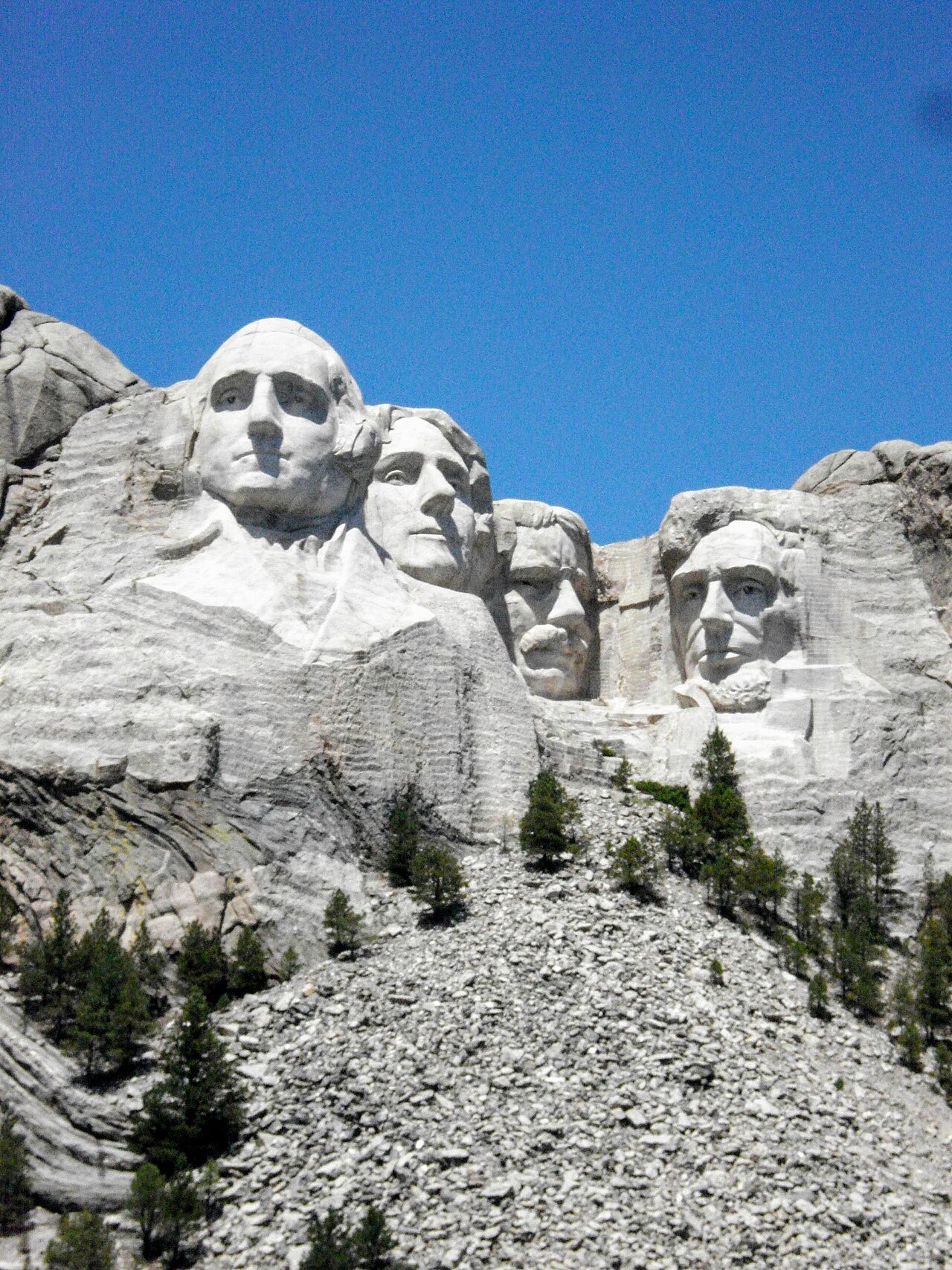
Mount Rushmore looks timeless, but the carving is less than a century old and the story behind it is more complicated than the postcard suggests. Knowing it makes the visit richer, and the memorial's own exhibits and ranger talks now tell more of it than they once did.
The idea
The project began in the 1920s with a South Dakota state historian who wanted a tourist attraction that would draw visitors to the Black Hills. His first idea was to carve Western heroes into the granite spires known as the Needles. The sculptor he approached, Gutzon Borglum, preferred a larger mountain and a theme of national scope, and chose the granite face now known as Mount Rushmore, which faces southeast and catches the morning sun. The mountain was named for a New York lawyer who visited on a prospecting trip in the nineteenth century.
The carving
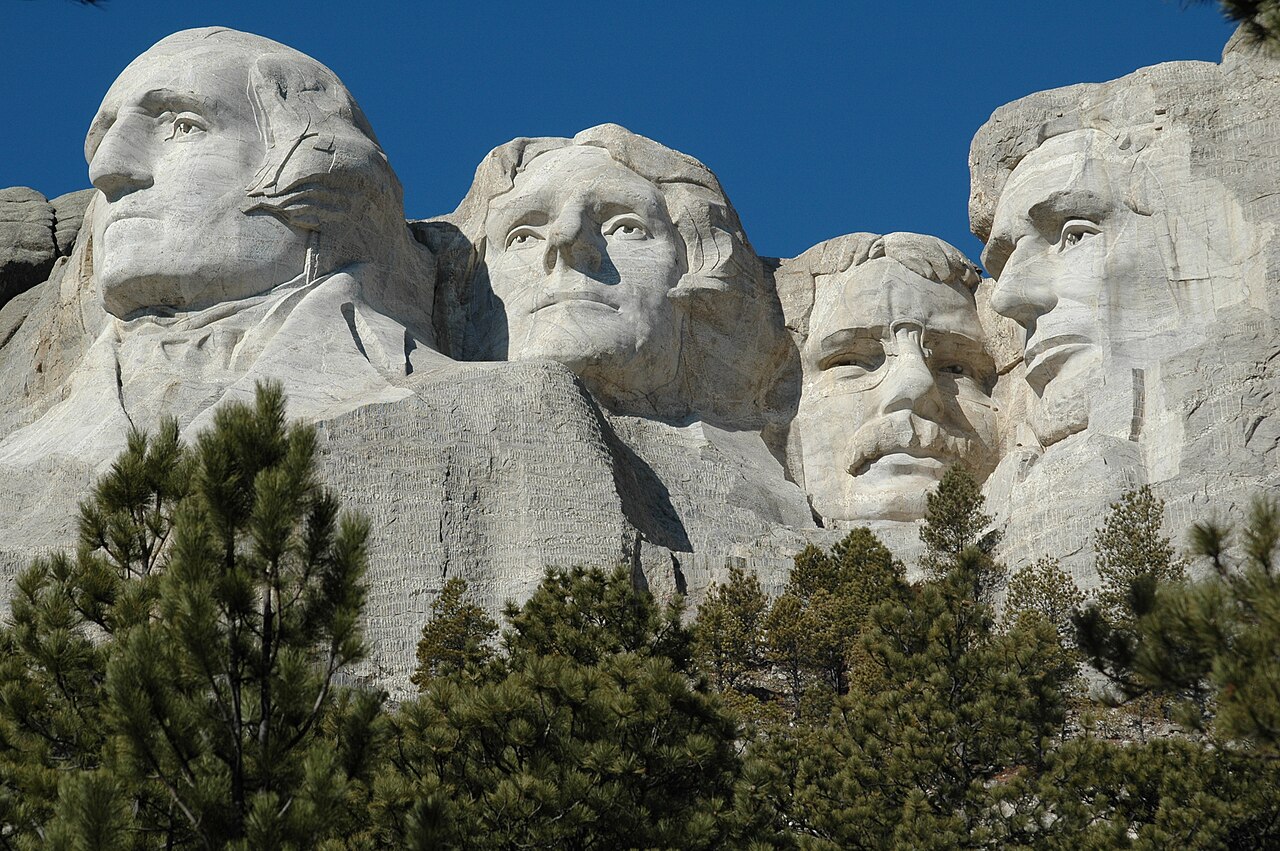
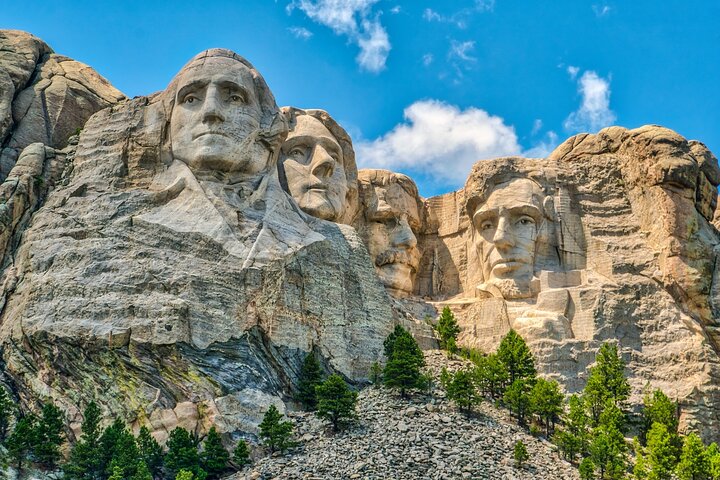
Work began in 1927 and ended in 1941. Borglum and a crew of hundreds used dynamite to remove most of the rock, then switched to jackhammers and hand tools for the finishing, hanging in harnesses from cables above the faces. A model at one inch to a foot guided the measurements. According to the usual account, no workers died during the carving, which is remarkable for the era. The four presidents were chosen to represent the nation's birth, growth, development and preservation: Washington, Jefferson, Theodore Roosevelt and Lincoln.
Dedication and the unfinished work
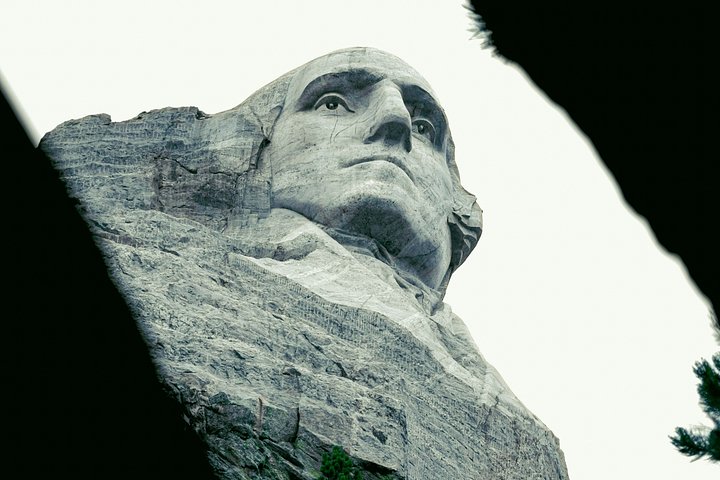
The faces were dedicated one at a time through the 1930s, beginning with Washington. Borglum died in early 1941, and his son Lincoln finished the work that year. Funding had been uncertain throughout, and the original plan for the figures to continue down to the waist was never carried out, which is why the presidents end at the chest. The planned Hall of Records, a chamber behind the faces, was also left unfinished.
The Lakota and the Black Hills
The Black Hills are sacred to the Lakota, who call them Paha Sapa, and the mountain was known to them by another name before it was called Mount Rushmore. The Fort Laramie Treaty of 1868 set the Hills aside for the Sioux nations, but after gold was found, the United States took the land in the 1870s. In 1980 the Supreme Court ruled that the taking was illegal and awarded compensation, which the Sioux nations have declined to accept, because they want the land rather than payment. For many Native people, the carving of a mountain they hold sacred remains painful.
Crazy Horse Memorial
The nearby carving of the Lakota leader began in 1948 as a response, at the invitation of Lakota elders, and it is privately funded by a nonprofit that has declined federal money. Visiting both gives a fuller picture of the Hills and of the people whose land it is, and the contrast between a finished federal memorial and an ongoing community project is part of the story.
What visitors see today
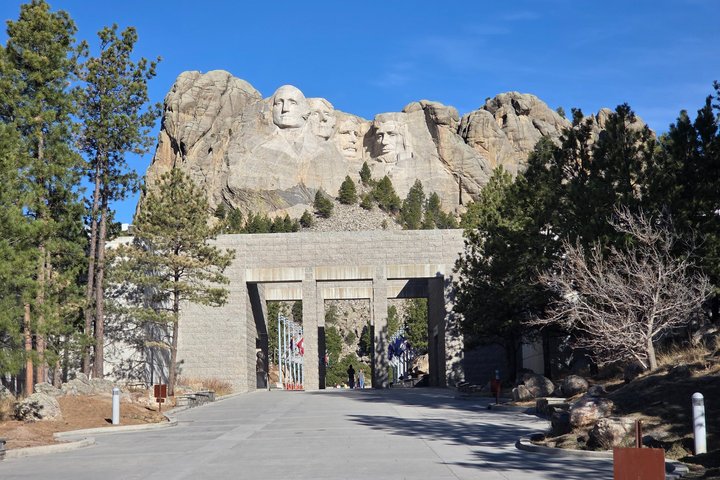
The memorial is managed by the National Park Service, with a visitor center, exhibits on the carving, Sculptor's Studio talks, a short trail and an evening ranger program from late May to September. The exhibits and programs address Native perspectives more directly than older guidebooks. Seen alongside the Lakota story, the memorial becomes a place to think about how America tells its own history, not only a photo stop.
Why the debate continues
The Black Hills land question is not a footnote. The 1980 ruling and the unaccepted compensation remain at the center of a dispute that has outlived generations, and many Lakota people describe the Hills as sacred ground that was never legitimately ceded. Visitors do not have to resolve it, but knowing it exists changes how the memorial feels, and the park service's interpretation has moved toward acknowledging it. Reading a little before you go, or asking a ranger, is the best way to approach the place with open eyes.
How to use this on your visit
Walk the Presidential Trail for the close view of the rough granite and the boulders at the base, attend a ranger talk, and consider an audio guide for extra detail. If you want depth, a private tour with a former park ranger adds stories and context. The facts here are widely reported, but check the memorial's own exhibits for the details and the latest interpretation.