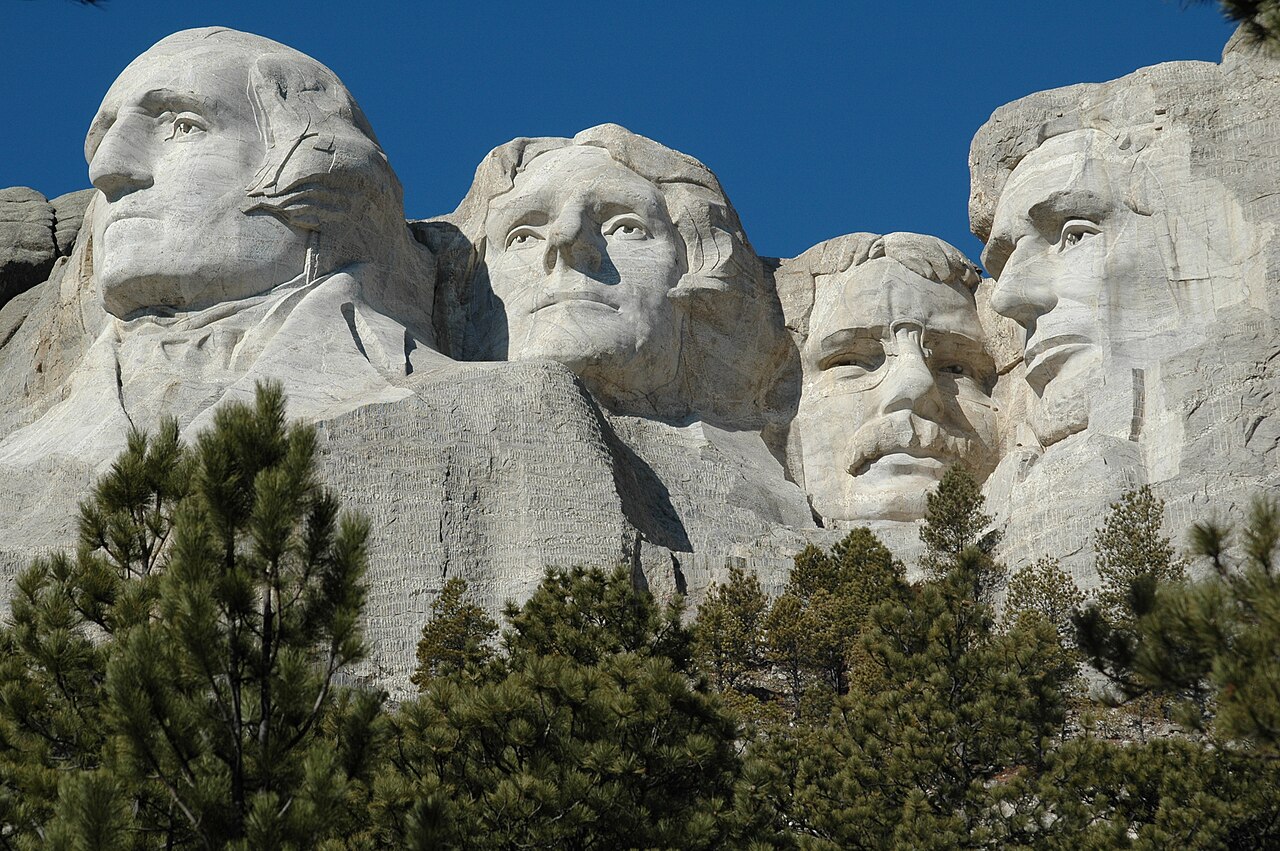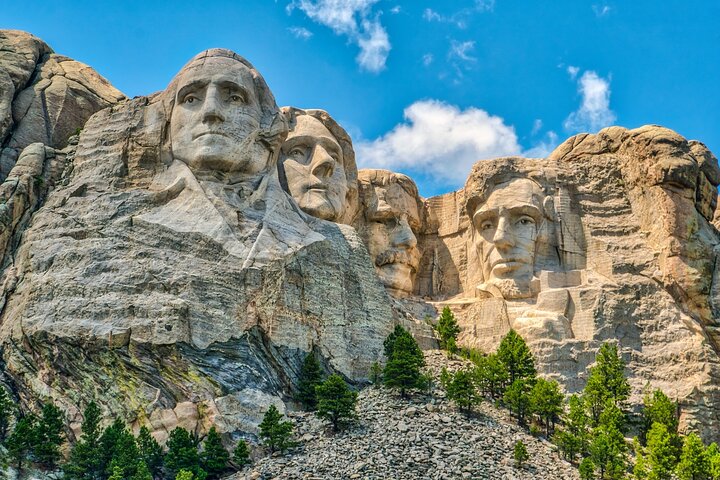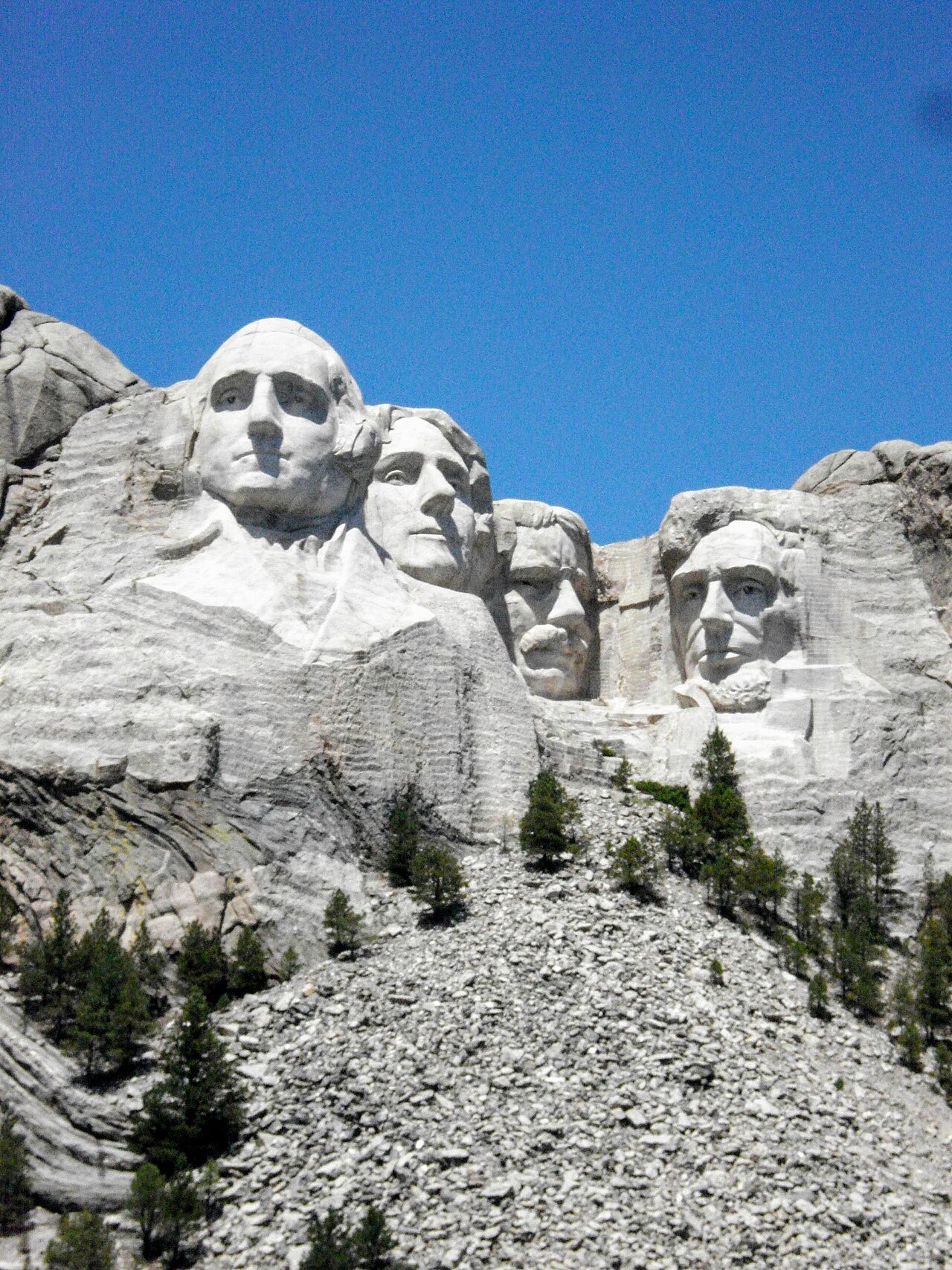
Almost every visitor arrives with the same questions, so here are the plain answers first. Mount Rushmore National Memorial does not charge an entrance fee, and there is no ticket to buy for admission. What you pay for is parking, and the rest of this guide follows from that single fact.
Is Mount Rushmore free?
The memorial has no admission fee, but it is not free to park. Parking is in a concession-run garage and costs about ten dollars per car, with seniors paying a reduced rate and active-duty military parking free. The parking ticket entitles the vehicle to unlimited entry for a year from the date of purchase, so a second visit on the same trip costs nothing extra. Rates change, so check before you travel.
Do national park passes work?
No. Annual, senior, access, Every Kid Outdoors and military passes cannot be used for the parking fee. Because there is no admission fee, there are no fee-free days to wait for either. Visitors who arrive by coach tour avoid the fee personally, since the coach pays its own parking charge.
How does the garage work?
You pay at the entry booth or at pay-on-foot stations, and the exit kiosks accept cards only and give no discounts. Overnight parking is not allowed. Trailers and long RVs find space very limited, so plan an alternative if you are towing. In the busiest stretches of summer, some lanes may drop their gates and issue an unpaid ticket from a kiosk that must be paid before you leave.
When is it open?
The memorial's visitor facilities are open every day of the year except December 25, with hours that change after the first of October and again in spring. The carving itself is visible at all times of day and is lit every night of the year. A ranger program with a film and the lighting runs nightly from late May through the end of September. Because exact clock times shift with the season, check the posted schedule for your dates, and remember that everything runs on Mountain Time.
When is the light best?
In the morning. The sun sets behind the faces in the afternoon, so photographs and the sense of detail are better early in the day. Arrive early in summer, both for the light and for parking, then return in the evening if you can for the lit carving and the ceremony. The two visits feel quite different, and together they make the most of one parking ticket.
How long should you stay?
Plan two to three hours if you walk the Grand View Terrace, take the Presidential Trail, see the visitor center exhibits and catch a Sculptor's Studio talk. The trail is about 0.6 miles with stairs and gives closer, angled views most visitors skip. A quick photo stop can take under an hour, but it rarely feels worth the drive and the parking fee.
What about dogs?
Pets are allowed only in the garages and adjacent areas, not on the terrace or the trail. If you travel with a dog, plan to take turns or leave time to rotate, and never leave an animal in a parked car.
What else is there to see?
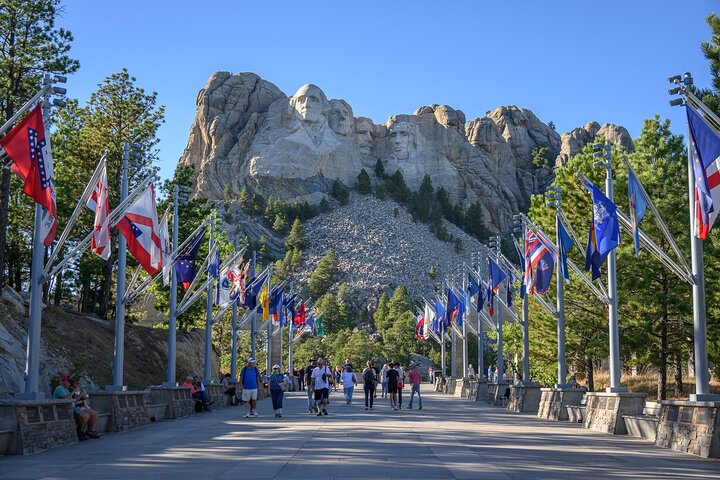
Beyond the terrace and the trail, the Avenue of Flags leads from the entrance to the viewing area, the Lincoln Borglum Visitor Center holds exhibits on how the carving was made, and the Sculptor's Studio talks, given frequently in summer, explain the tools and the one-inch-to-a-foot model. Children can take part in a Junior Ranger program, and the exhibits and ranger talks now address the Lakota connection to the Black Hills more directly than older guidebooks did. Weather matters too: the terrace is exposed, summer afternoons can be hot, and cold snaps leave icy patches on the stairs, so wear shoes with grip and bring layers in any season.
Where to eat and sleep
The memorial has a gift shop and a café with seasonal hours, but most visitors eat in Keystone, a few miles away, or in Hill City. Keystone has the most hotels close to the memorial, Hill City is calmer and more central, and Custer suits visitors focused on the park and the caves. For the context behind the carving, read the history guide, and for the evening program see the lighting ceremony guide.