Mumbai is large, hot and crowded, but the headline sights cluster neatly at the southern tip of the island, with a few worthwhile trips by water and out to the north. Understanding that geography is the key to a good first visit. Here is how to put a trip together.
How many days
Three days is the minimum and four is comfortable. Give one day to South Mumbai on foot, one to a trip out, such as Elephanta Island or the Kanheri Caves, and one to the experiences that make Mumbai itself, such as Dharavi, a street food evening and a Bollywood studio. A fourth day lets you slow down, add the Haji Ali Dargah and wander Colaba Causeway market.
South Mumbai, on foot
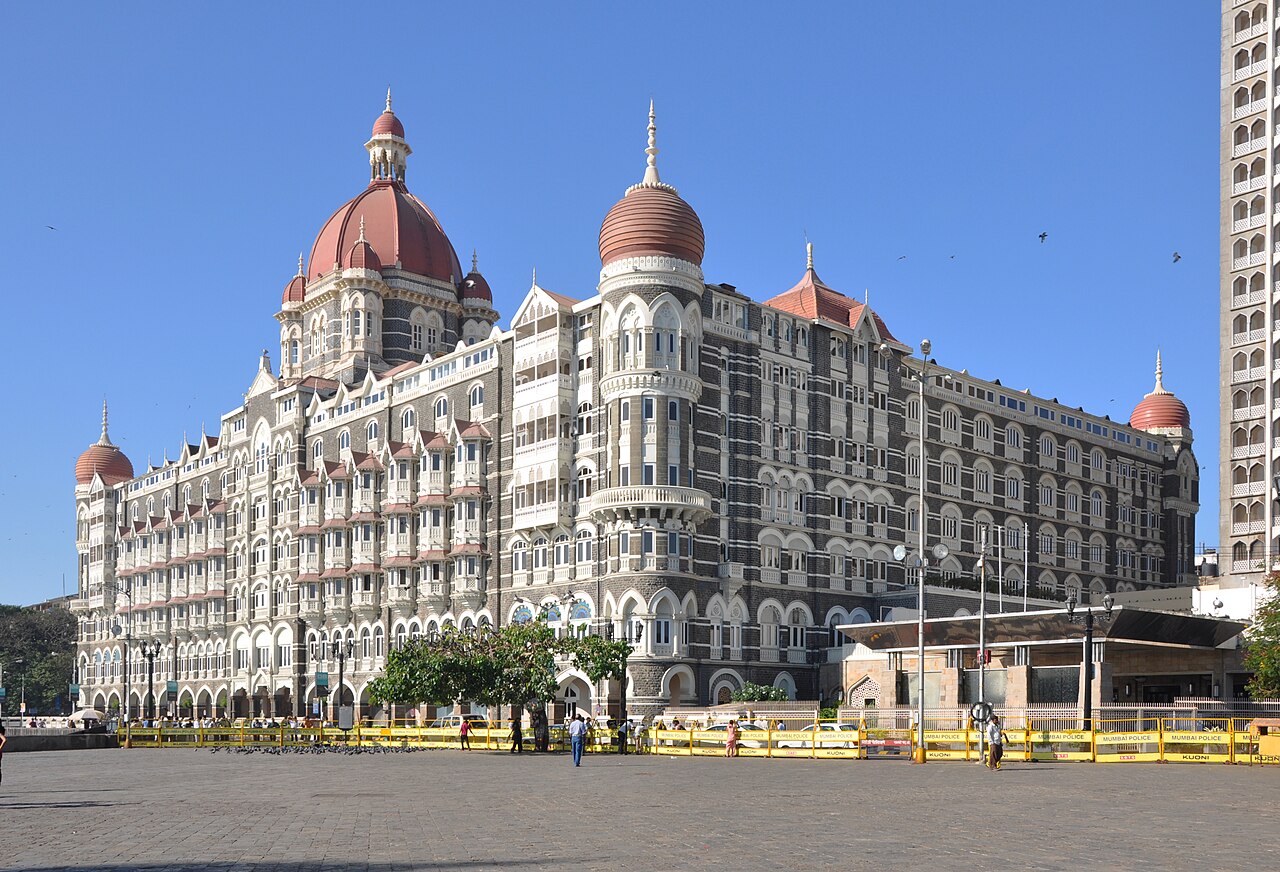
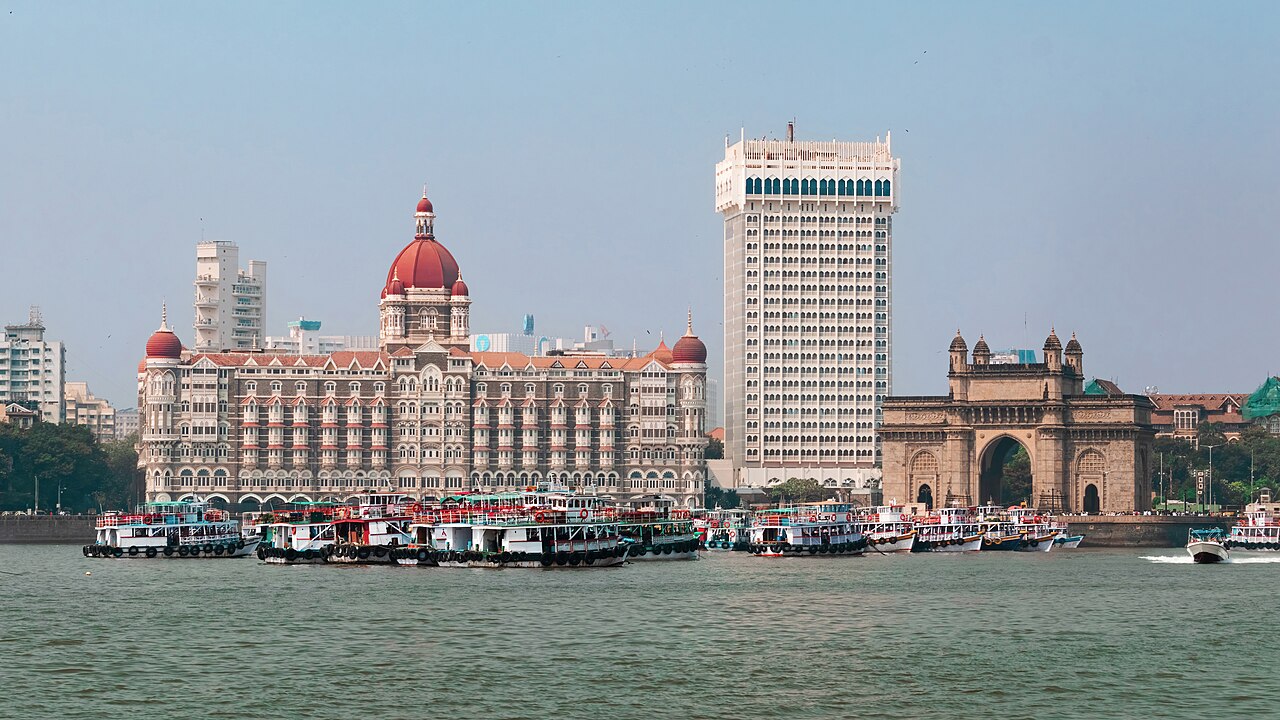
The densest cluster is around Colaba and Fort. Start at the Gateway of India early, when the square is quiet, then walk to the CSMVS museum, about ten minutes away, and spend a couple of hours inside the air-conditioned galleries. From there it is a short taxi or a longer walk through the Victorian streets of Fort to Chhatrapati Shivaji Maharaj Terminus, the Gothic station that UNESCO lists as a World Heritage Site. Finish at Marine Drive for sunset, where the whole city comes to the sea wall.
Elephanta Island
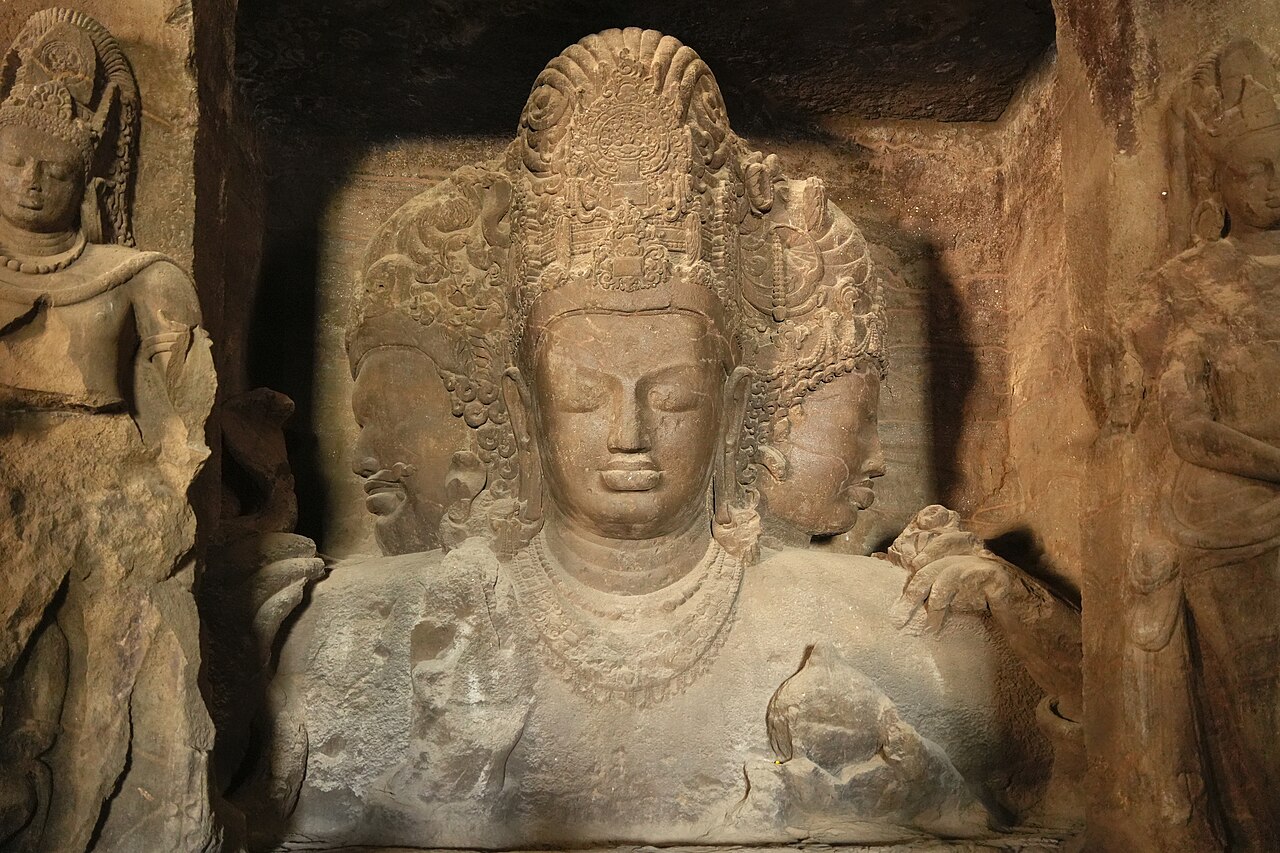
The ferry leaves from beside the Gateway of India and takes roughly an hour. The caves are normally closed on Mondays and the tourism board lists hours of 9:00 to 17:30, so go on another day, early, and allow five hours or so. A guided tour that includes the ferry tickets and admission removes the queuing and gives you someone to explain the carvings. Ferries are suspended in the heavy monsoon, which is not an issue from October to March.
Dharavi, street food and Bollywood
A walking tour of Dharavi with a local guide is a thoughtful introduction to a working neighbourhood; choose one that bans photography and returns proceeds to the community. The evening street food tour from Churchgate to Mohammed Ali Road is the best way to eat safely and adventurously, and the Bollywood studio tour is a fun half-day in the north. Book these a day or two ahead.
Kanheri Caves
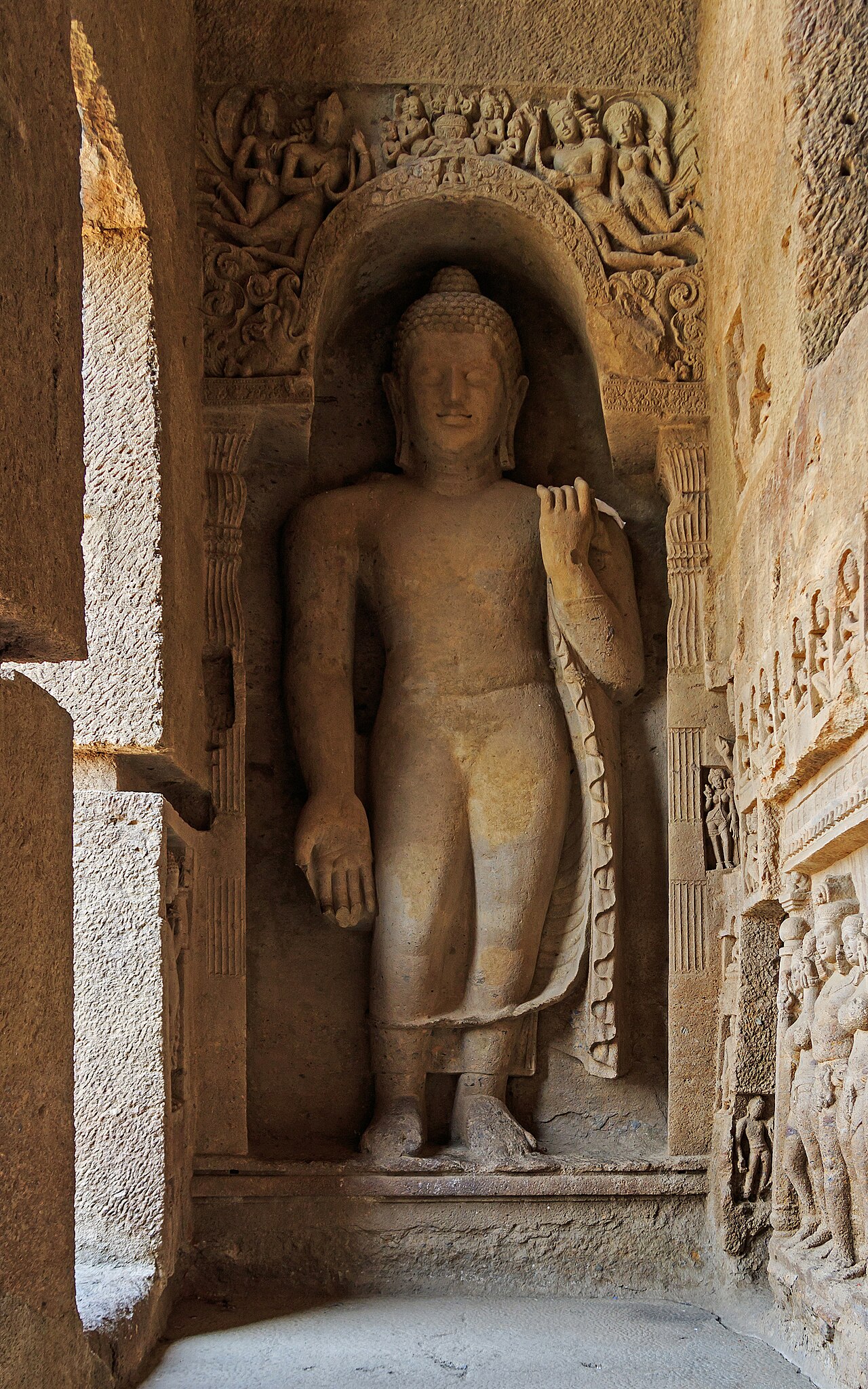
If you have a spare half-day, the 2,000-year-old Buddhist caves in Sanjay Gandhi National Park are a quiet contrast to the city. The park is closed on Mondays. The distances are long, so a tour with hotel pickup is the practical choice.
Closing days and timing
The CSMVS museum is open daily and closes only on four national days. Sanjay Gandhi National Park and the Elephanta Caves are the places to check for Monday closures. The best months are November to February, when it is dry and warm; summer is hot and humid, and the monsoon from June to September brings floods and rough seas.
Getting around
Metered black-and-yellow taxis and app-based cabs are the simplest way to move between areas, and fares are low by international standards. Traffic is heavy at rush hours, so avoid crossing the city at 8 to 11 in the morning and 5 to 8 in the evening. The suburban trains are the fastest way up the island, but they are very crowded at peak times; try one off-peak for the experience. South Mumbai itself is walkable in the cooler morning hours, although pavements are uneven. Carry small notes, agree prices for boat rides before boarding and keep valuables close in crowds.
Where the sights fit
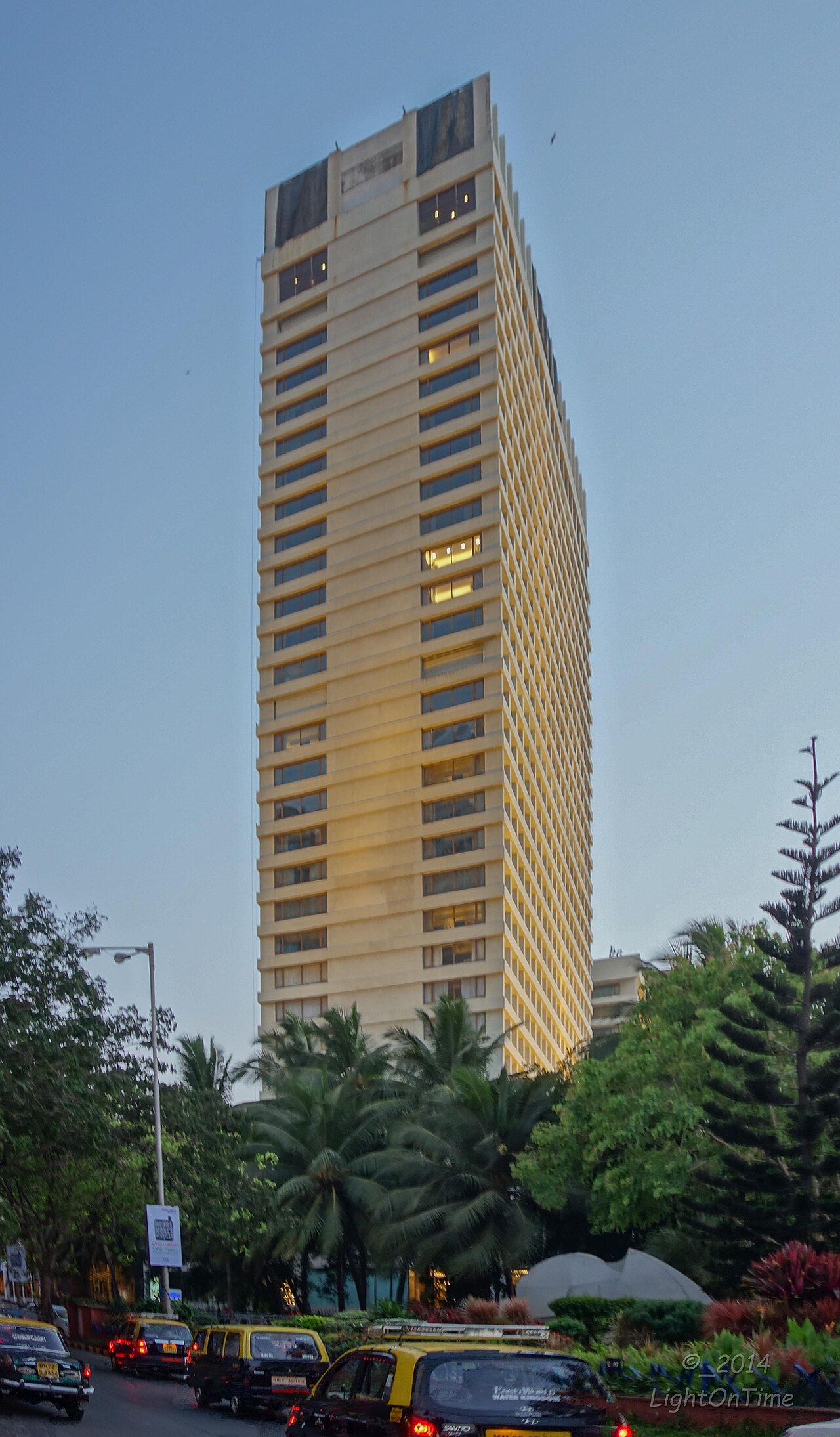
Colaba and Fort hold the Gateway, the museum and the station; Marine Drive and Haji Ali run up the western coast; Dharavi, Film City and Kanheri lie to the north. Staying in Colaba or Nariman Point keeps the first group on foot, and the airport hotel suits early flights.