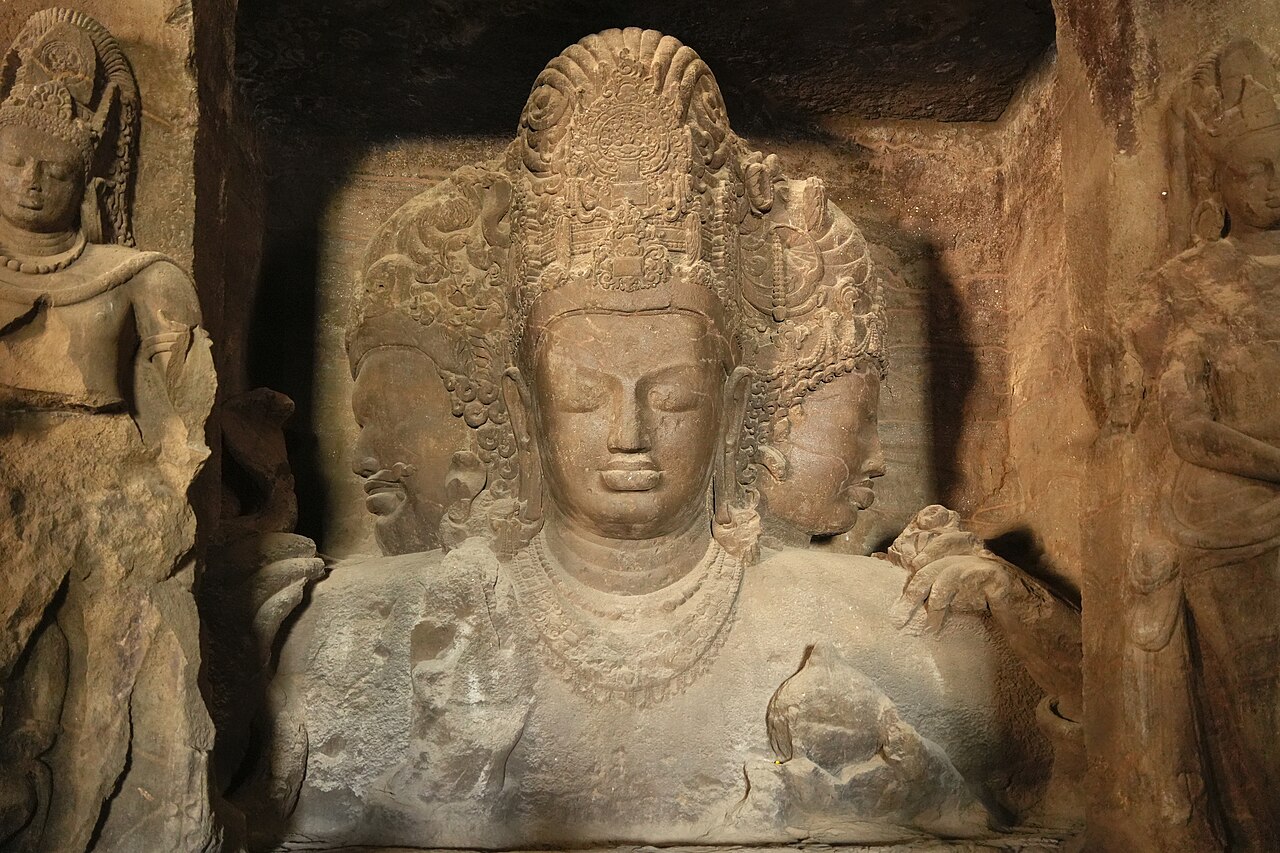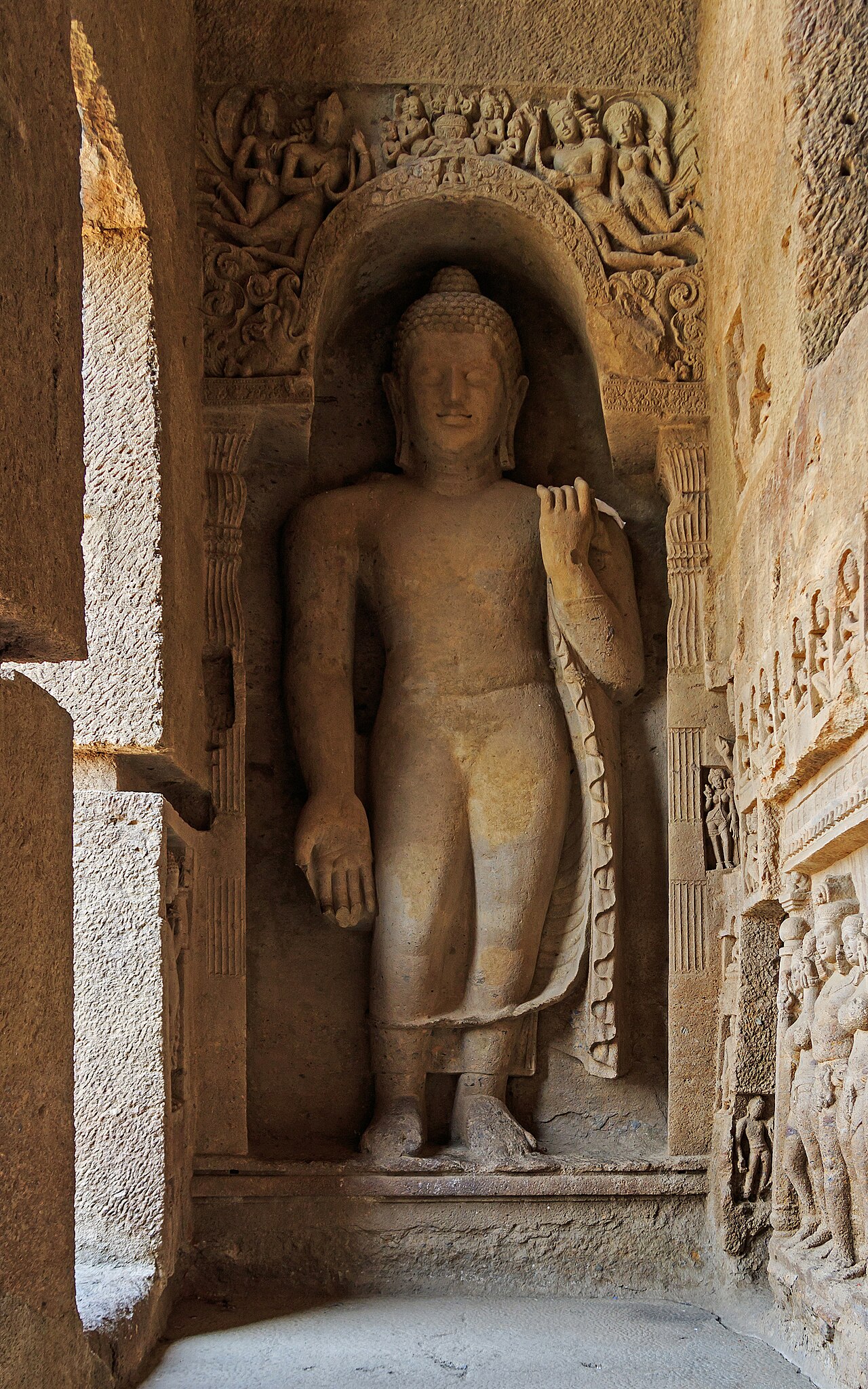
Ajanta and Ellora are the two greatest rock-cut cave complexes in India and among the finest monuments in the world, and both can be reached from Mumbai on a guided trip. Ajanta, in a horseshoe-shaped gorge, is a series of Buddhist monasteries and prayer halls carved over several centuries beginning around the second century BCE, famous for painted murals and sculptures that illustrate the life of the Buddha and his earlier incarnations with astonishing delicacy. Ellora, a few hours away, holds thirty-four caves, Buddhist, Hindu and Jain, carved side by side over several centuries, and its centrepiece, the Kailasa temple, is a whole temple complex cut downward from a single mass of basalt rock, one of the most astonishing feats of ancient engineering anywhere. Both sites are inscribed on the World Heritage list. Together they are a highlight of any trip to Maharashtra, and a guide who knows the stories makes the carvings and paintings come alive.
How to visit
Both sites lie near Aurangabad, now called Chhatrapati Sambhajinagar, several hundred kilometres east of Mumbai, so this is a trip of more than one day by road. Guided tours from Mumbai typically run over two or three days, with transport, a guide and overnight stays, while some operators offer a very long one-day version that uses flights, so check the details when you book. Ajanta is normally closed on Mondays and Ellora on Tuesdays, which affects how you plan the days, so confirm the schedule and hours before you travel.
What to expect at Ajanta
The caves are cut into a curving cliff above a river, and you walk along a path from cave to cave. The most famous are the painted caves, where the murals and sculptures show scenes from the Jataka tales with great sensitivity. The caves are dim and the paintings are fragile, so lighting and photography are restricted, and a torch and a guide’s explanation help a great deal. You will climb stairs and walk some distance, so wear comfortable shoes and take water.
What to expect at Ellora
The caves run in a line along a low escarpment, and visitors usually cover the Buddhist caves, the Hindu caves, including the Kailasa temple in cave sixteen, and the smaller Jain group. The Kailasa temple is the showstopper: carved from the top down, with towers, courtyards, elephants and huge sculpted panels, it is hard to believe it was cut from solid rock. Take time to walk around and above it as well as inside.
Making the most of it
Go in the cooler months from October to March, wear comfortable shoes and a hat, carry water and allow a generous amount of time at each site. Ask whether your tour includes entry fees, guides and meals. If time or energy is short, the Karla and Bhaja Caves or the Kanheri Caves are a gentler introduction to Indian rock-cut architecture, but if you can manage the journey, Ajanta and Ellora are worth every kilometre.
Why it is worth the effort
The caves were carved by hand over many centuries by generations of artists and monks, and standing in front of them is a humbling experience. Ajanta shows the delicacy of ancient painting, Ellora the sheer scale of ancient ambition, and between them they cover Buddhist, Hindu and Jain traditions in a way that few places in the world can. Pack patience for the long journeys and you will be rewarded with the best of India’s ancient art.
What to expect
The experience
A guided trip from Mumbai to the painted Buddhist caves of Ajanta and the rock-cut temples of Ellora, usually over two or three days.
Best time
October to March, when it is cooler and drier. Ajanta is normally closed on Mondays and Ellora on Tuesdays.
How long
Two to three days by road, or a long single day if the tour uses flights. Check what your booking includes.
Tips
Confirm closing days, wear comfortable shoes, carry water and a torch, and allow generous time for the Kailasa temple.
Quick picks
- Best for
- Serious history and art lovers who want India’s greatest cave monuments.
- Families
- Good for older children who can handle long travel days and stairs.
- Couples
- A memorable shared adventure for those who enjoy ancient art and architecture.
- Pair with
- Karla and Bhaja or Kanheri Caves for a gentler taste of Indian rock-cut architecture closer to Mumbai.
- Time needed
- Two to three days.
Good questions
How far are Ajanta and Ellora from Mumbai?+
They are near Aurangabad, several hundred kilometres east of Mumbai, so most trips take two or three days by road. Some operators offer a long single day using flights.
Are Ajanta and Ellora open every day?+
Ajanta is normally closed on Mondays and Ellora on Tuesdays. Confirm the schedule before you travel.
What is the Kailasa temple at Ellora?+
It is a huge temple complex carved downward from a single mass of basalt rock. It is the centrepiece of Ellora and one of the great feats of ancient engineering.
What is Ajanta famous for?+
Ajanta is famous for its Buddhist caves with painted murals and sculptures illustrating the life of the Buddha. The paintings are fragile, so photography and lighting are restricted.
What is the best time to visit Ajanta and Ellora?+
October to March is cooler and drier. The monsoon brings green hills but can make travel and walking harder.