The Goto Islands lie west of Nagasaki and are known for dramatic cliffs, empty beaches and a rich Christian heritage. Persecuted believers fled here in earlier centuries, and today the islands hold some of Japan's most photogenic churches. Guided outings combine a volcano walk with visits to villages and viewpoints. Onidake, a grassy volcanic cone, is a signature stop. A gentle walk to its summit offers views over the island and sea. Other tours visit Osezaki Cliff, a windswept headland known for sunsets.
Getting to the islands takes planning. Ferries and high-speed boats run from Nagasaki, and flights serve some islands. Services are limited, and weather can cancel crossings, so build slack into your schedule. A guided tour with transfers handles logistics and puts you on the best routes.
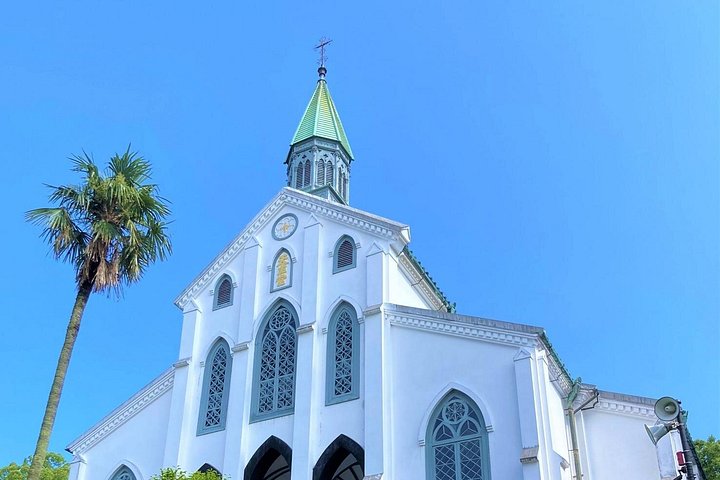
The Onidake walk is easy, over short grass, and the surrounding hills look like green bumps against the sea. In the villages, small white churches stand near the shore, often built by hand by local believers. Visitors are welcome at set times if respectful, and photography rules vary.
Plan for sun, wind and sudden rain. Bring sturdy shoes, a hat and layers, and carry cash since small shops may not take cards. Spring and autumn are comfortable; summer is hot but good for swimming. Allow at least a full day, though an overnight stay lets you experience the quiet evenings and local seafood.
Think about the structure of the trip. The islands are spread out, and distances between sights are bigger than they look on the map, so a car or guided transfer saves hours. The main island, Fukue, has the castle ruins and a lively harbour; Naru Island has a group of famous churches; and Hisaka has beaches. Local seafood is outstanding, especially horse mackerel, spiny lobster and Goto udon.
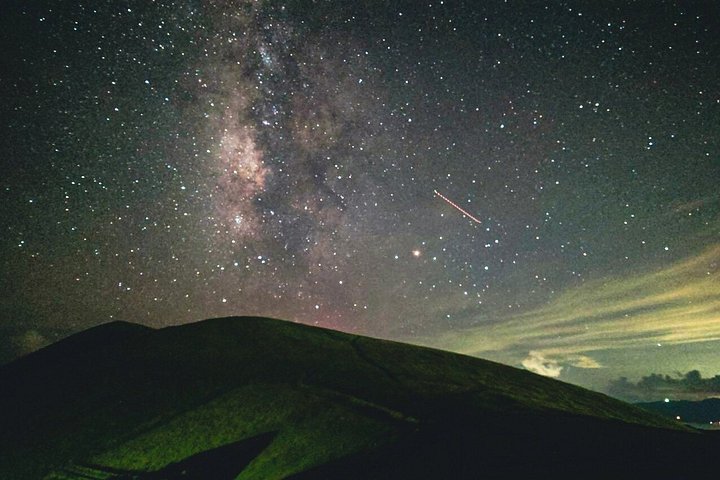
Camellias flower in winter and early spring, and the islands produce camellia oil used in cooking and cosmetics. Because services are limited, check bus times, shop hours and ferry schedules in advance, and carry a little cash. Visitors who stay overnight will find simple guesthouses and small hotels, with stargazing on clear nights. Respect private land and local customs, and do not enter churches during services.
Prepare for a different pace of travel. Convenience stores and restaurants are fewer than on the mainland, and many close early, so buy snacks and water before long drives. Mobile signal can be patchy, so download maps and tickets in advance. Pack a rain jacket, because showers pass quickly, and sun protection for open hills. If you are visiting churches, wear modest clothes and keep to marked paths, as the sites sit within living communities.
Ask your guide to explain the symbolism of items such as hidden crosses and Maria statues, and the meaning of the church architecture, which blends Gothic forms with Japanese carpentry. The islands reward slow travel, so resist the urge to rush, and consider an overnight stay with a seafood dinner.
Consider seasonal timing too. Late autumn brings clear air and long views from Onidake, while early spring brings camellia blossom and pleasant walking temperatures. Midsummer is the season for swimming and fireworks at island festivals, but also for typhoons, which can strand visitors for a day or two, so keep a flexible return ticket if possible. Winter crossings are rougher, and some services reduce frequency. Check the forecast the night before and ask your guide for a fallback plan, such as indoor museums and church visits if the weather turns.
What to expect
The experience
A guided walking and driving outing on the Goto Islands, with volcano views and churches.
Best time
Spring and autumn.
How long
A full day; overnight is better.
Tips
Check ferry schedules, bring cash and dress for wind.
Quick picks
- Best for
- Adventurous travellers and church enthusiasts.
- Families
- Suits active older children.
- Couples
- Beautiful for sunset walks.
- Pair with
- Hidden Christian history in Nagasaki.
- Time needed
- A full day or more.
Good questions
How do I reach the Goto Islands?+
By ferry, jetfoil or plane.
Can I enter the churches?+
At set times, with respect.
Is Onidake a hard hike?+
No, it is an easy walk.
Can weather cancel trips?+
Yes, so allow flexibility.
Is it worth overnight?+
Yes if time allows.