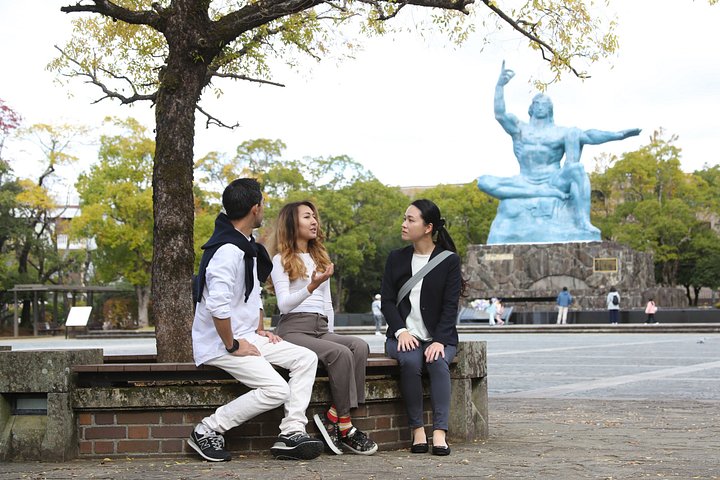
Nagasaki's streetcar network has run since the early twentieth century and still threads through the city's main districts. Trams are cheap, frequent and the quickest way between the peace sites, the harbour, Dejima and Glover Garden. A tram tour with a local guide takes the guesswork out, choosing a route, handling tickets and adding context at each stop. The customisable four-hour format suits visitors who want a flexible plan. You can emphasise history, architecture, food or photography, and the guide adapts to the weather and your pace.
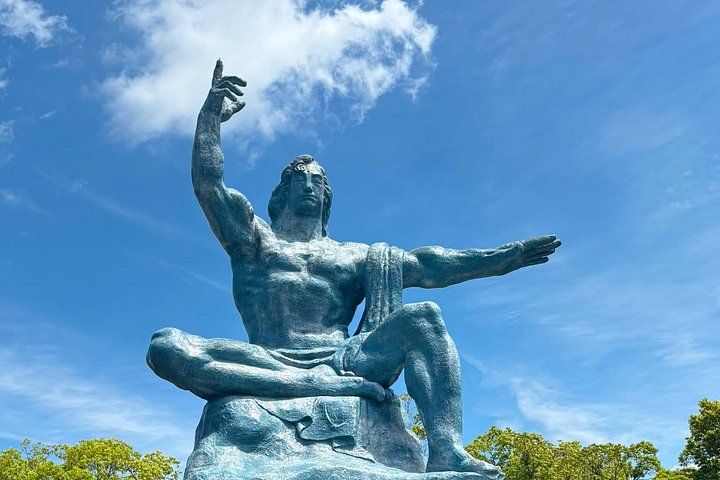
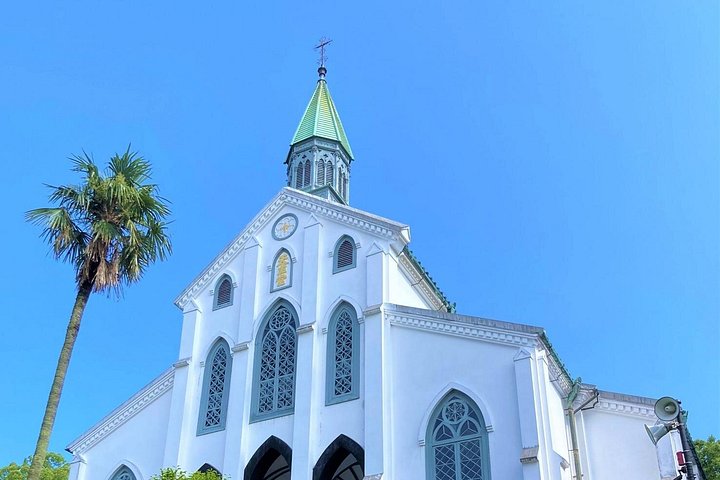
A typical route starts at Nagasaki Station, rides to Urakami for the peace sites, doubles back to the downtown for Dejima and Megane Bridge, then ends near Oura and Glover Garden. Trams are small and sometimes crowded, so a guide helps with boarding, fares and the changes between lines.
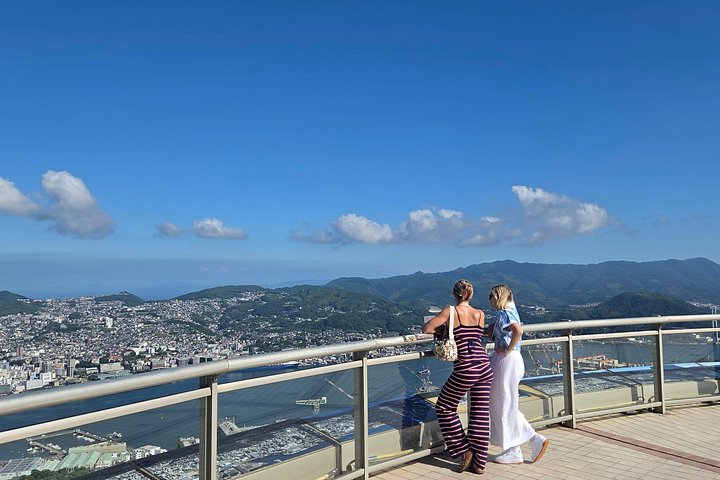
Riding with a guide also reveals details you might miss: old shopfronts, wartime memorials, tilework, and the ways the city has changed since the streetcar's early days. Guides can recommend lunch spots along the way, from champon to castella cafes, and suggest sunset points.
Practical tips
Carry small change or an IC card, and be ready to hop on and off. The trams run most of the day but are slow in rush hour, and the hills mean some walking between stops. If you are travelling independently, a one-day pass is good value. For a first visit this tour is a relaxed way to orient yourself and decide what to revisit.
The tram system itself is worth understanding. Nagasaki Electric Tramway began service in 1914 and several of the cars are older than most visitors would guess, some dating back decades, though newer low-floor cars are common now. Lines are colour-coded and numbered, so it is easy to see where you are going once you know the logic. The flat fare makes it simple to hop on and off, and passes are sold for a day of unlimited rides.
A guide can show you how to read the stop signs, how to change lines at Tsukimachi and Nagasaki Station, and which stops give the best access to hillside sights. Because the tram passes through shopping streets, you will see ordinary daily life, from schoolchildren to market vendors, which is part of the charm. In the rain, trams are a comfortable way to continue sightseeing, and an evening ride past lit-up streets is a good way to finish the day.
Make the most of the format by sharing your preferences when you reserve. Tell the guide whether you are most interested in history, food, architecture or photography, how much walking you are comfortable with, and whether anyone in your group has mobility needs, since some tram stops involve steps and slopes. Weather affects the plan, so the guide may reorder stops, putting indoor sights first on a wet day.
If you finish early, ask for a drop-off near a restaurant or the next sight, and consider buying a day pass for later rides. This tour works as a first-day orientation or as a relaxed way to see Nagasaki if you have only half a day between trains or flights.
What to expect
The experience
A guided, customisable four-hour tram route linking Nagasaki's main sights.
Best time
Morning start, to avoid the afternoon heat.
How long
About four hours.
Tips
Tell the guide your interests in advance, carry small change and wear walking shoes.
Quick picks
- Best for
- First-time visitors who want to see a lot with little planning.
- Families
- Children enjoy the tram, but crowded cars need care.
- Couples
- A relaxed, personal way to see the city.
- Pair with
- Dinner in Chinatown or an evening at Mount Inasa.
- Time needed
- Half a day.
Good questions
How do Nagasaki trams work?+
Board at the back, exit at the front, and pay the flat fare or tap an IC card.
Can the tour be customised?+
Yes, guides adapt the route to your interests.
Is it suitable for children?+
Yes, with short rides and breaks.
Do I need a one-day pass?+
If you ride independently it often saves money.
What does it cover?+
Typically peace sites, downtown, Dejima and Glover Garden.