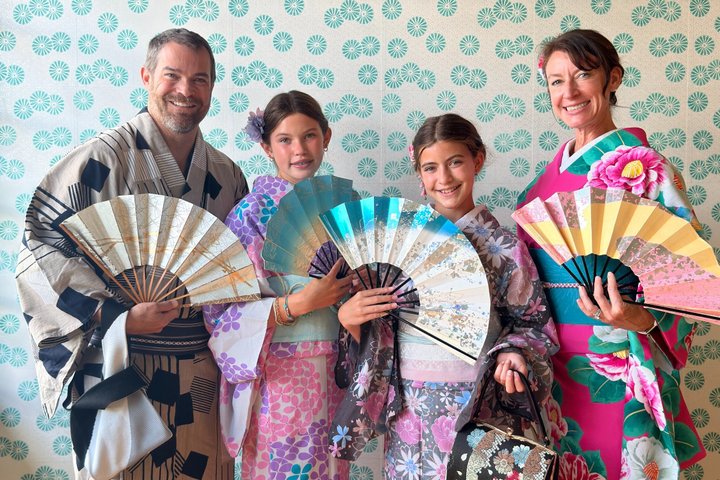
For more than two centuries during the Edo period, the artificial island of Dejima in Nagasaki Bay was Japan's only window to Europe. The Dutch East India Company traders who lived here were confined to the small fan-shaped island, bringing medicine, books, clocks and sciences that fed the movement known as Dutch learning. The island was later absorbed into the city by land reclamation, but a long restoration programme has rebuilt many of the original buildings. Today Dejima is a compact open-air museum with merchant residences, warehouses and a kitchen, furnished to show how traders lived. A kimono experience adds a playful layer: you dress in traditional clothes with help from staff and stroll the island or nearby streets for photographs.
Walk through the entrance and follow the paths past the chief factor's residence, the warehouses and the staff quarters. Interiors show goods traded here, including sugar, textiles and porcelain, and exhibits explain daily life, ceremonies and the way the authorities controlled contact. Models and maps show how the fan shape of the island looked in the past, and how much of it remains.
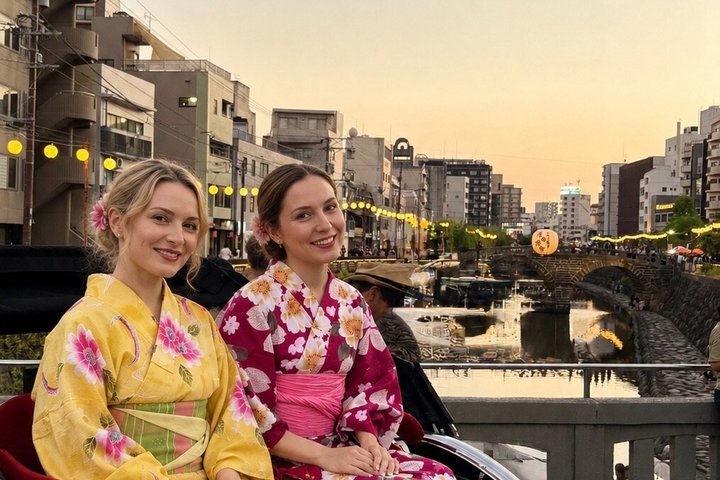
The kimono option makes it easy to enjoy the site in a different way. A dressing service helps you into a kimono, offers hair styling and accessories and then lets you walk through Dejima and nearby streets. Reservations are wise, particularly in spring and autumn, and the experience usually takes a couple of hours. Kimono rentals are comfortable in cool weather, but in summer choose lighter fabrics and plan for the heat.
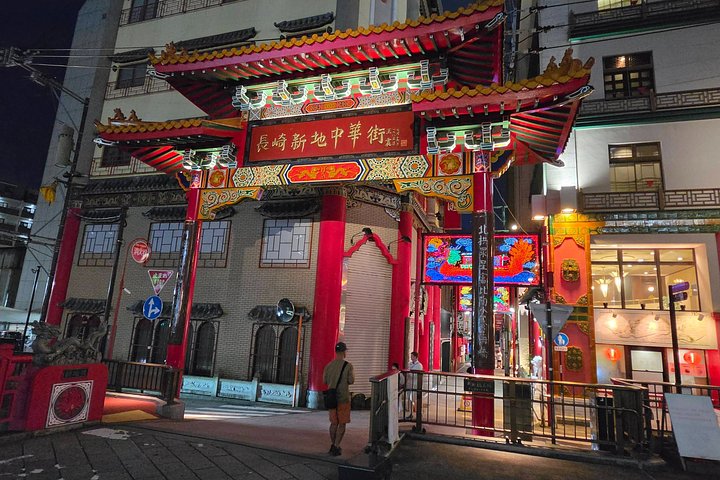
Dejima sits in a convenient location. It is a few minutes' walk from Dejima tram stop, close to the Nakashima River, Megane Bridge and the Chinatown district, so it fits neatly into a day exploring old Nagasaki. Allow an hour or so for the museum alone, and add more for the kimono. Check opening hours and closing days before you go, and bring a hat and water in warm weather as the site is open air.
Behind the buildings is a great story of cultural exchange. Through the small gate at Dejima passed Western medicine, astronomy, clocks, tobacco, coffee and new ways of thinking, while Japanese lacquerware, porcelain and copper went out. Doctors such as Philipp Franz von Siebold taught Western medicine to Japanese students from here and sent plant specimens to Europe.
Exhibits explain the strict rules traders lived under: they could not leave the island without permission, and Japanese women of certain professions were the only locals allowed in. The reconstructed rooms have scale models, ledgers and tableware that make the world of the trading post easy to picture, and informative signs in English help throughout.
If you choose the kimono experience, ask about the studio's booking process and what is included, such as hair styling, accessories and a short walk with a photographer. Spring and autumn weekends fill up quickly. Wear light underlayers, since kimono can be warm, and comfortable socks for the tabi footwear.
You will walk on stone paths and wooden floors, so move with small steps. Dejima's museum quarter and the surrounding streets are well suited to photographs, and many visitors continue to Megane Bridge or Chinatown in costume if the studio allows. Return times are firm, so plan the rest of your day around them.
What to expect
The experience
A restored open-air museum of Dutch merchant buildings, with an optional guided kimono dressing experience.
Best time
Spring and autumn for the kimono; mornings in summer.
How long
One hour for the museum; two to three with a kimono session.
Tips
Reserve the kimono in advance, wear comfortable shoes and check closing days.
Quick picks
- Best for
- Visitors interested in Japan's isolation period and its Dutch connection.
- Families
- Children enjoy the rebuilt houses and costumes.
- Couples
- A photogenic couples activity with a kimono walk.
- Pair with
- Megane Bridge, Chinatown and Glover Garden.
- Time needed
- Half a day.
Good questions
Why was Dejima important?+
It was Japan's only trading link with Europe during the Edo period.
Can I try a kimono there?+
Yes, dressing experiences are available and help you walk the island in traditional clothing.
Is Dejima close to other sights?+
Yes, it is a short walk from Megane Bridge, Chinatown and the Nakashima River.
Are the buildings original?+
Many are careful reconstructions based on historic records.
How long should I allow?+
An hour for the museum, more with a kimono session.