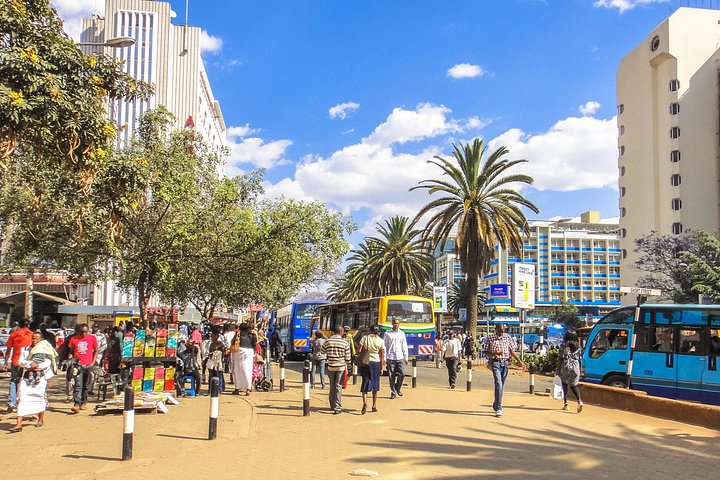
Nairobi is a big, creative, fast-moving city, and the best way to enjoy it is to spend at least a few hours away from the animals. Kenya’s capital has a lively culture of music, food, art and crafts, and a few well-chosen activities will give you a far richer picture of the country than a safari alone. This guide covers the cultural side of Nairobi, from morning walks to evening shows, and explains how to approach each one with respect.
Start with the story
The Nairobi National Museum on Museum Hill is the best place to learn how Kenya fits together. Its galleries cover early human fossils, ethnography, birds and modern history, and a small snake park and botanical trail sit in the grounds. Allow two to three hours, and consider a guided tour if you want more context. For another view of the city’s past, the Karen Blixen Museum shows life on a colonial coffee estate, and the Bomas of Kenya presents traditional homesteads and performances from many of the country’s communities.
Meet the city through a local guide
Community-led walking tours, such as the Kibera culture and street art walk, are among the most memorable experiences in Nairobi. They are led by residents, take you through markets and workshops, and show a creative and resourceful side of the city that the usual sightseeing circuit misses. Go with an open mind, ask before photographing people, keep valuables to a minimum and treat the walk as a visit to a neighbourhood rather than a spectacle. Buying crafts or a snack directly from local vendors puts money straight into the community.
Shop with confidence
Kenyan crafts are varied and beautiful, from soapstone and wooden carvings to beadwork, baskets and printed fabrics. If you dislike haggling, visit fixed-price places such as the Kazuri workshop in Karen, where handmade ceramic beads are made by local women, and the Utamaduni Craft Centre in Lang’ata. For a more bustling experience, the Maasai markets rotate between different places on different days of the week, and bargaining is expected. Start by offering around half of the first price, smile and be ready to walk away politely. Always check that wooden items are not made from protected species and ask about export rules if you buy anything large.
Eat your way into the culture
Food is where Kenyan hospitality shines. Try ugali with sukuma wiki, nyama choma with kachumbari, and chapati with a bowl of beans. A cooking class lets you learn the dishes yourself and share a meal with your host, while a guided food tour lets you sample street snacks and local restaurants in a single outing. The Carnivore Restaurant is a Nairobi institution for grilled meats, and the city’s coffee shops serve some of the best Kenyan coffee you will taste anywhere.
Spend an evening out
Nairobi’s evenings can be as lively as its days. The dinner and Cat Dancers show at the Safari Park Hotel combines a buffet with acrobatics and dance and is easy to book with transport included. Westlands and Kilimani have restaurants, bars and live music for those who want to explore independently. Use ride-hail apps or licensed taxis after dark, avoid walking alone at night and keep belongings secure in crowded places.
Be a considerate visitor
Dress modestly when visiting local neighbourhoods and religious sites, greet people with a friendly hello and learn a few words of Swahili, such as jambo for hello, asante for thank you and karibu for welcome. Ask permission before taking photos, and be wary of paying for photographs with people in traditional dress unless the arrangement is clear. Tip guides and drivers if service is good, and carry small notes for that purpose.
Planning your time
If you have one free day, combine a morning at the National Museum with a craft-shopping stop and an evening show. With two days, add a community walk and a cooking class. Because Nairobi traffic is heavy, cluster activities that are close together, such as Karen, Lang’ata and Kazuri, on the same day. Leave a gap between a morning outing and an evening show so that you can rest, shower and travel without rushing, and keep a flexible approach to timing, since journeys across the city can take far longer than the map suggests. Check opening days for museums and cultural centres, and book evening activities a day or two in advance in busy seasons.