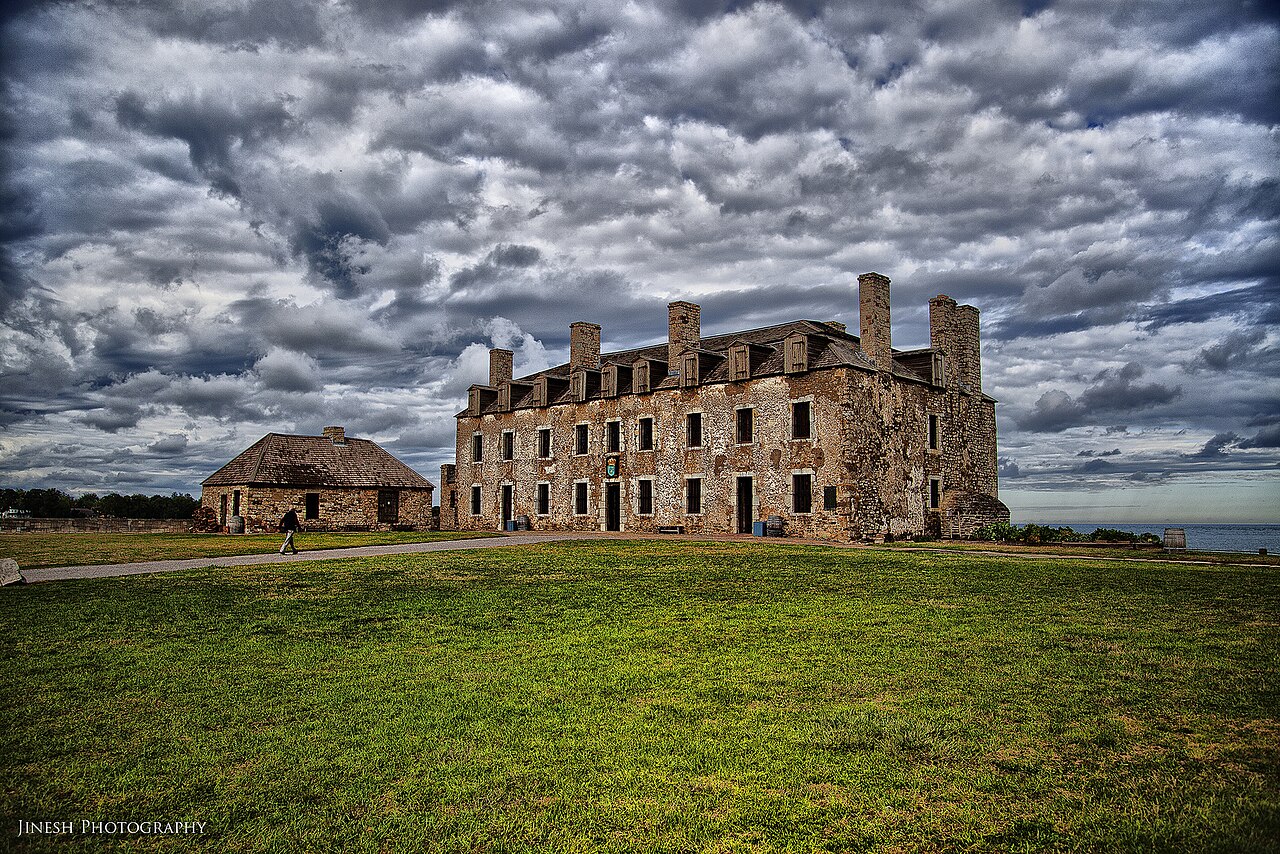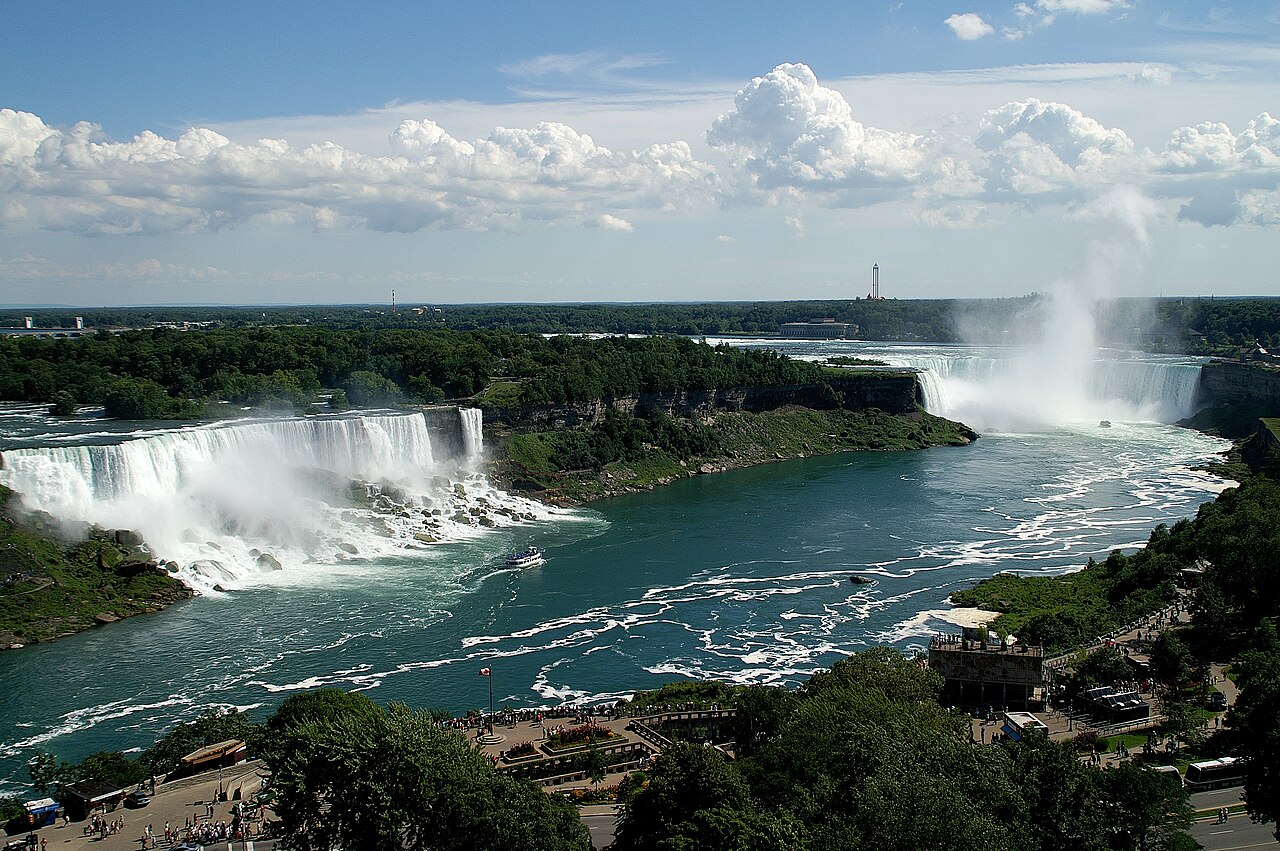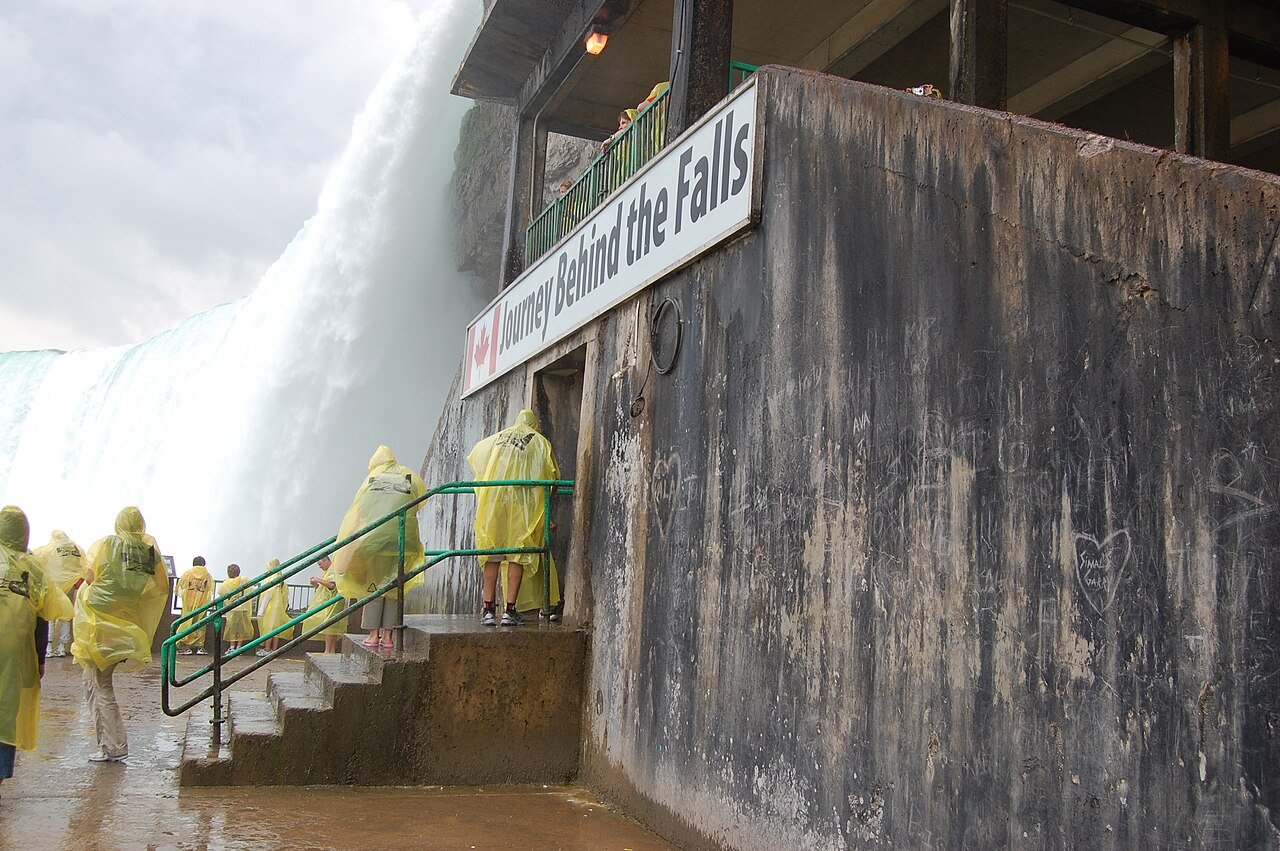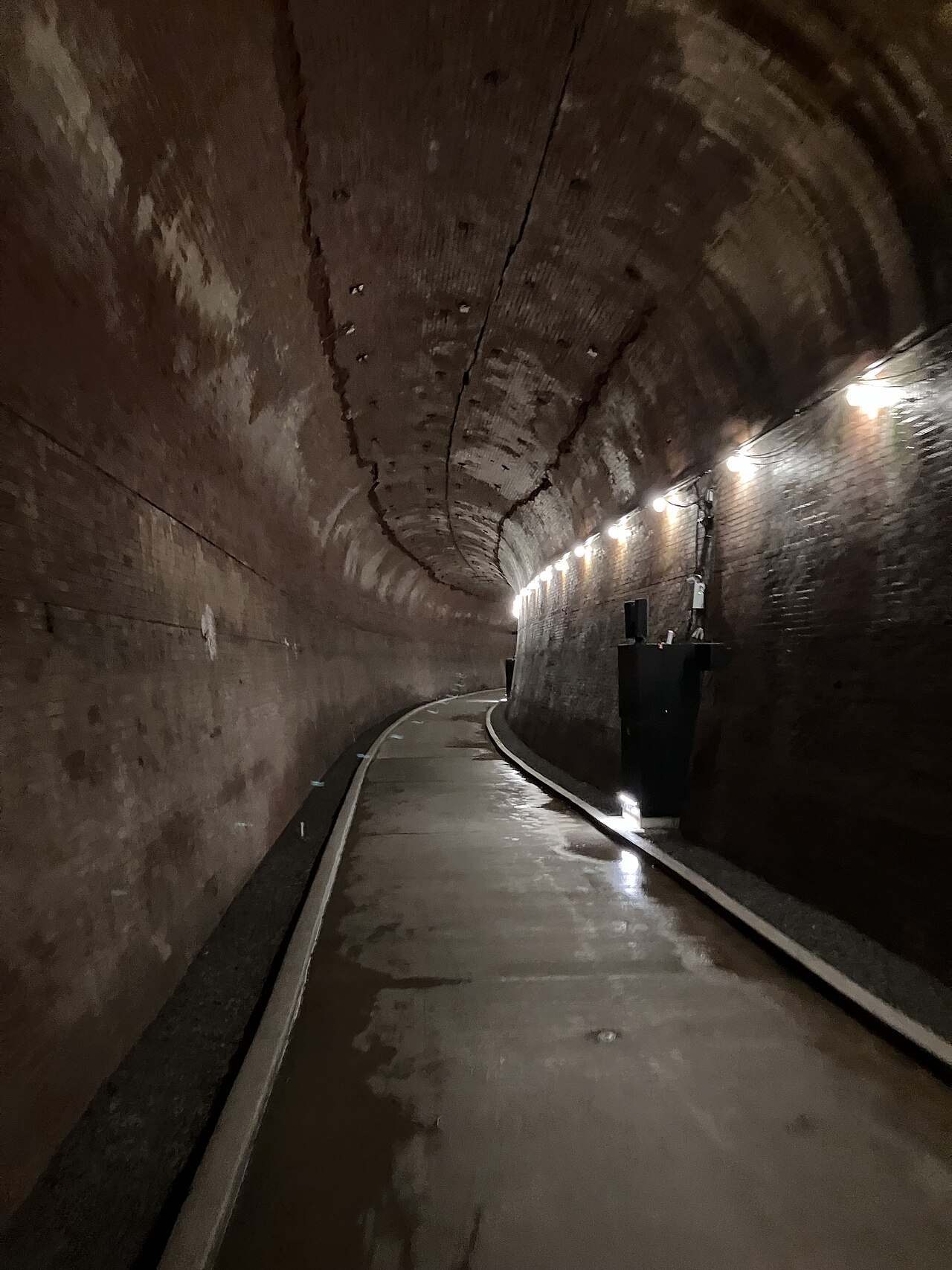
Fort George National Historic Site, run by Parks Canada at 51 Queens Parade in Niagara-on-the-Lake, interprets the War of 1812 on the very ground where much of it was fought. The fort was the British military post that defended Upper Canada against American attack, and the reconstruction on the site gives a vivid picture of garrison life: you can speak with costumed interpreters, tour the restored buildings, watch demonstrations such as soldiers in redcoats firing muskets, and see blockhouses, a historic powder magazine and cannons on the lookout. Daily programs include demonstrations and talks, special events appear on a seasonal calendar, and visitors can follow a self-guided tour using a downloadable visitor guide, or walk the heritage trails around the grounds. The site lies close to related places that explain the wider story: Fort Mississauga, completed after the war, Queenston Heights, where Major General Sir Isaac Brock died, and Butler's Barracks, a complex of five wooden buildings behind the fort. Navy Hall, nearby, is rented for events. The fort is open Wednesday to Sunday, from ten in the morning to five in the afternoon, with a full schedule and fee information on the Parks Canada site, and admission follows the park's published daily rates and passes. Allow two to three hours if you take the programs, and fewer if you are strolling the grounds. It pairs well with a morning in Old Town and the Shaw Festival theatres, which are within a short drive.
The story
Fort George was the main British post on the Niagara River during the War of 1812, facing the American Fort Niagara across the water, and the two forts bombarded one another in 1813. American forces took Fort George in May 1813 and held the area for several months, and the surrounding town of Newark, now Niagara-on-the-Lake, suffered badly in that fighting.
Today the site has been reconstructed to show how soldiers lived and trained, and the interpreters, many in period uniform, explain the realities of drill, rations and artillery. It is more than a pile of earthworks: the blockhouses and buildings are furnished and the demonstrations are lively.
Planning
Arrive before the first demonstration if you want a full program. Check the day's schedule and the events calendar, because special weekends bring re-enactments and larger programs. Wear comfortable shoes, as there is a lot of walking on grass and gravel, and bring sun protection in summer and warm layers in the shoulder seasons. The site is seasonal, so confirm opening dates for the month you are traveling, and look at the Parks Canada visitor guide for accessibility details.
A visit works for children who like muskets and cannons and for adults who like their history with context, and it is an easy complement to the Old Fort Niagara visit on the American side, if you want to compare the two sides of the same war.
Making a day of it
Park at the fort or walk from Old Town, visit Queen Street for lunch, then add the Shaw Festival for an evening performance. Drive on to Queenston Heights and the Laura Secord Homestead to round out the 1812 story along the Niagara Parkway. For anyone who enjoys reading the landscape, the view from the fort across to the American shoreline shows exactly why both sides fortified this stretch of the river.
What to expect
The experience
A reconstructed British fort with costumed interpreters, musket and artillery demonstrations, blockhouses, a powder magazine and cannons, plus a self-guided tour and heritage trails.
Best time
Open days, typically Wednesday to Sunday from ten to five in the visitor season; special-event weekends bring larger programs. Confirm seasonal dates.
How long
Two to three hours with the programs; an hour for a quick walk-through.
Tips
Check the day's demonstration times on arrival. Wear walking shoes. Use the downloadable visitor guide for a self-guided tour, and pair it with Queen Street and Queenston Heights.
Quick picks
- Best for
- History lovers and families with children who like muskets and cannons.
- Families
- Live demonstrations and costumed interpreters keep children engaged; there is plenty of open space to move.
- Couples
- A relaxed historic stop between a morning in Old Town and an evening at the theatre.
- Pair with
- Niagara-on-the-Lake Old Town, the Shaw Festival and Queenston Heights.
- Time needed
- Half a day with Old Town.
Good questions
Where is Fort George?+
At 51 Queens Parade in Niagara-on-the-Lake, Ontario, about twenty to thirty minutes' drive north of the falls along the Niagara Parkway.
When is it open?+
It is open Wednesday to Sunday from ten to five in the visitor season. Check the Parks Canada site for the current schedule and any seasonal closures.
What can you do there?+
Speak with costumed interpreters, tour historic buildings, watch musket demonstrations, see blockhouses and a powder magazine, take a self-guided tour with the downloadable guide, or walk the heritage trails.
What did Fort George do in the War of 1812?+
It was the British military post defending Upper Canada on the Niagara frontier, facing the American Fort Niagara across the river. American forces captured it in 1813 and held it for several months.
How does it compare with Old Fort Niagara?+
They are the two sides of the same story, facing each other across the river. Fort George shows the British side; Old Fort Niagara shows the American. Visiting both gives the full picture.