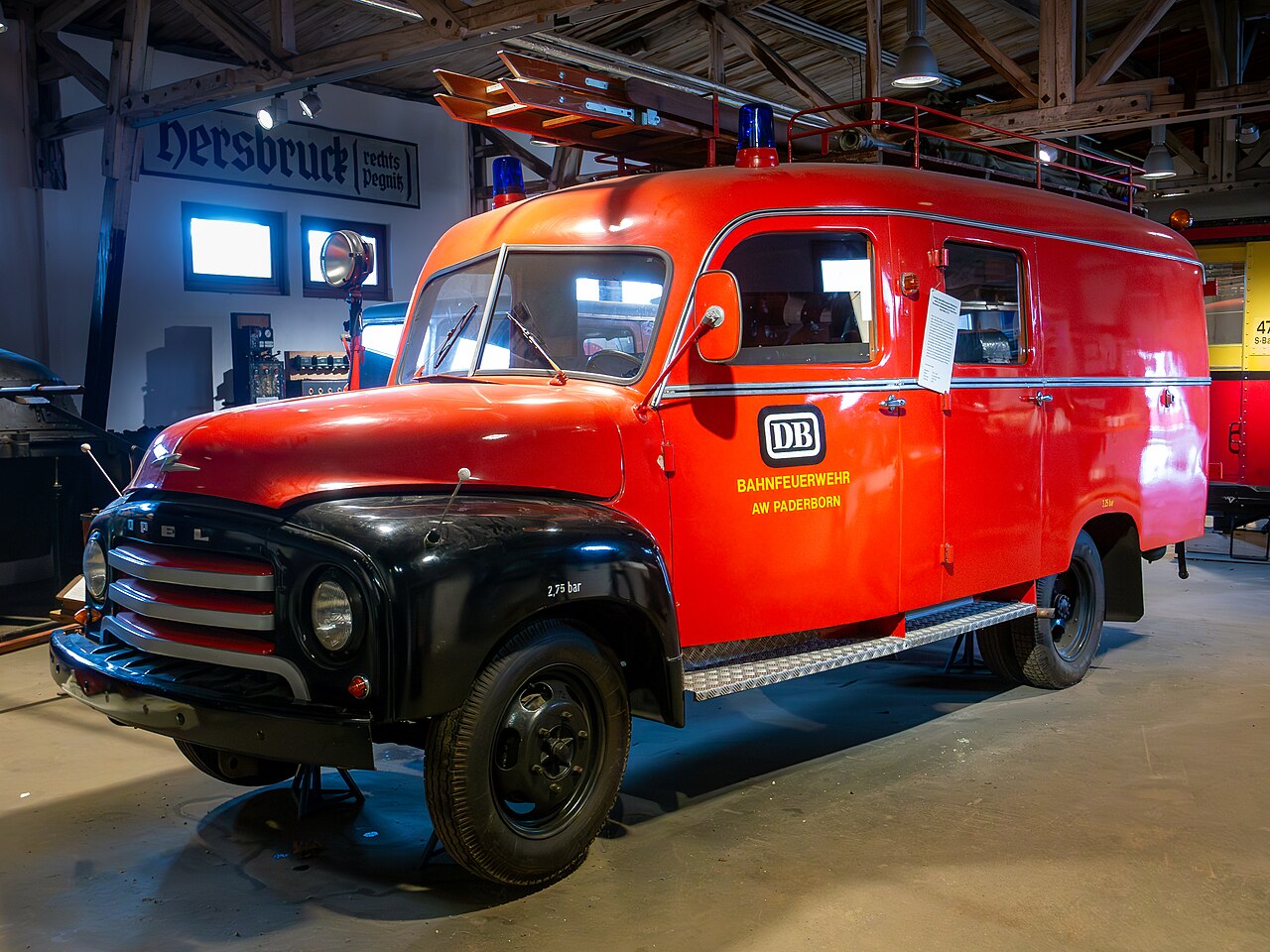
The DB Museum, the railway museum of Deutsche Bahn, is in Nuremberg for a good reason: this is where the first German passenger railway opened in 1835, running a few kilometres between Nuremberg and nearby Fürth with the locomotive Adler. The museum traces the whole story from that modest line to the high-speed trains of today, and it does so with real locomotives, carriages and an excellent model railway. It is housed in a purpose-built building near the old town and shares a site with a museum of communication, so combined tickets and cross visits are common. For railway enthusiasts the collection is a pilgrimage, but even casual visitors find the scale and variety impressive, and children are drawn to the engines they can see up close.
The Adler replica is a highlight. The original was built in England by Robert Stephenson, and the museum's working replica is brought out for special events. Other stars include historic steam locomotives, the lavish royal carriages of Bavarian monarchs, including those associated with Ludwig II, and displays about the German railway in the twentieth century, including the dark chapters of the war years. Exhibits cover signals, tickets, timetables and uniforms as well as the great machines. The model railway section is large and detailed, and it is a favourite with younger visitors.
The museum handles the political history of the railway with care. Visitors learn how the railway network was used in the Nazi era, including for deportations, and the museum includes a section on this history. The tone is educational and factual, and it complements what you see at the Documentation Center and in the Palace of Justice. A separate children's area, known as a Kids Museum or Kindermuseum, gives younger visitors a chance to play with trains and learn about operations.
Allow two hours for the main collection, more if you love trains. The museum is usually open Tuesday to Sunday and closed on Mondays, but check, as opening times differ with the season. It is close to the main station, a short walk from the old town, and you can easily combine it with the Toy Museum in the same day. In winter it is warm and dry. Special events, such as steam days or model railway shows, are held through the year and are worth checking. Cafes nearby offer simple lunch options.
For families, a day at the DB Museum can be organised around the children's interests. Younger children love the engines and the kids' area, and older children respond to the stories behind the machines, including the pioneering engineers and the changes railways brought to everyday life. For adults, the exhibits about travel in the nineteenth and twentieth centuries are a rewarding look at how journeys, schedules and even time zones changed once trains linked towns.
A small shop sells railway books and models, and the museum cafe is a convenient pause. Older children may enjoy the sections on signalling and how a timetable is built, which reveal how much planning lies behind every journey. Allow extra time on event days, when steam demonstrations and model railway running sessions add another layer to the visit. The location near the station makes it easy to combine with arrival or departure days.
What to expect
The experience
A self-guided visit through halls of historic locomotives, royal carriages, railway memorabilia and a large model railway, plus a children's area.
Best time
Weekday mornings are quiet. Typically closed on Mondays; special steam and model railway days draw crowds.
How long
About two hours; longer for railway enthusiasts.
Tips
Visit the model railway early, take a break in the Kids Museum with younger children and check for event days.
Quick picks
- Best for
- Railway fans and families with children who love trains.
- Families
- A strong rainy-day choice with a dedicated children's area.
- Couples
- Not the most romantic stop, but a relaxed shared activity for couples who like technology.
- Pair with
- The Toy Museum, the main station area and the old town.
- Time needed
- Two hours.
Good questions
Why is the railway museum in Nuremberg?+
Germany's first passenger railway ran from Nuremberg to Fürth in 1835, hauled by the locomotive Adler, which is why the national railway museum is here.
Is it good for young children?+
Yes. Locomotives, a large model railway and a children's area keep younger visitors busy.
Can I ride a historic train?+
Occasional special events and steam days offer rides, but not on a regular schedule. Check the museum's calendar.
Is the museum open on Mondays?+
Usually closed on Mondays. Opening hours differ in different seasons.
Does the museum cover the Nazi period?+
Yes, it includes a factual section on the railway's role in the war years and the deportations, which gives context for the city's wider history.