Nuremberg has been known as the toy capital of Germany for centuries, and its Toy Museum is a delightful place to see why. The museum is housed in a handsome building on Karlstrasse, in the heart of the old town, and shows how toys have mirrored changing childhoods across five hundred years. The city's skilled metalworkers, painters and woodworkers began producing dolls, tin soldiers and mechanical toys from the late Middle Ages, and by the nineteenth century Nuremberg manufacturers supplied children around the world. Even today the city hosts the world's biggest toy fair each winter, a trade event that brings buyers from across the planet. The museum holds a big collection that includes dolls, doll's houses, tin toys, trains, cars and board games, and it is the kind of place where adults spend as long as children.
Floors are arranged by theme and era. The earliest rooms show wooden figures, dolls and miniature kitchens that taught girls the skills of housekeeping, while tin soldiers and mechanical toys show how the industrial age created new forms of play. Elaborate doll's houses, some of them highly detailed models of homes of past centuries, are a particular highlight.
Later rooms cover railways, toy cars, space-age toys and the Barbie era, and often include a section on Lego and Playmobil, the latter produced just outside the city. Play areas let children handle toys and build, and the staff are used to families. Temporary exhibitions change through the year, so the museum rewards repeat visits.
The building itself adds character. It has been used for many purposes over the centuries and has a pleasant staircase and light rooms. A small shop sells traditional wooden toys, tin items and local craft, and is a better source of gifts than the tourist stalls. For adults, the museum also prompts reflection about the stories toys tell, from gender roles to technology and war, which are handled with a light touch.
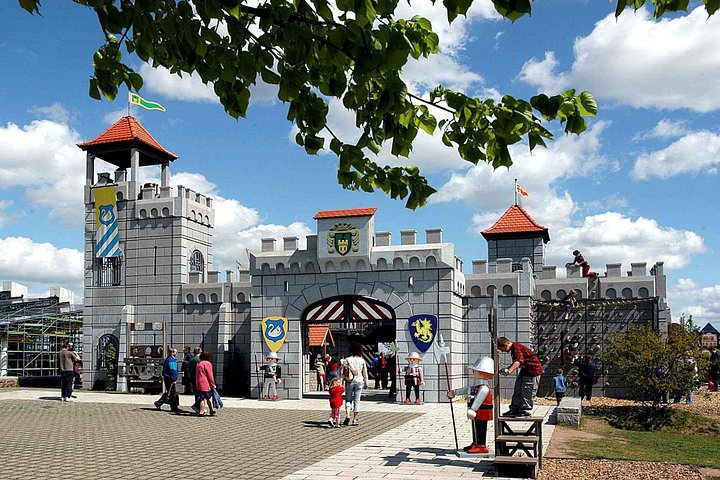
Plan on around ninety minutes, and check the opening hours since the museum is typically closed on Mondays. It is a short walk from the Hauptmarkt and from the Germanisches Nationalmuseum, so it fits into a museum day. In December it is a refuge from crowds at the Christmas market, and a good partner activity with a visit to the Playmobil FunPark outside the city. Strollers can usually be managed on the main floors, but check access if you have specific needs. The museum is a pleasant, uncomplicated stop that suits all ages and weathers.
Nuremberg's toy tradition is deeply tied to the city's craft culture, and the museum draws a line from the guild workshops of the sixteenth century to the lively toy industry of the twentieth. Visitors who come in late January or early February will notice the city filling with buyers for the international toy fair, even though the fair itself is closed to the public.
Throughout the year, shops in the old town sell wooden toys, nutcrackers and tin figures, so the museum is a good place to get a sense of quality before you shop. Cafes in the nearby streets make it easy to extend the visit into a relaxed lunch.
What to expect
The experience
A self-guided visit through themed floors of historic and modern toys, with play areas for children and a small museum shop.
Best time
Weekday mornings are calmer, and it is a reliable rainy-day or winter option. Usually closed Mondays.
How long
About ninety minutes; longer if children use the play zones.
Tips
Check which temporary exhibition is on, let children use the play areas, and pick up wooden toys in the shop.
Quick picks
- Best for
- Families and anyone who loves toys and nostalgia.
- Families
- One of the best indoor activities in the city for children of nearly any age.
- Couples
- A lighthearted, charming stop for couples between heavier sights.
- Pair with
- The Germanisches Nationalmuseum, the Hauptmarkt and, in season, the Christmas market.
- Time needed
- Ninety minutes.
Good questions
Why is Nuremberg famous for toys?+
Skilled craftsmen began making dolls, tin figures and mechanical toys in the late Middle Ages, and manufacturers later exported them worldwide. The city still hosts a major toy fair each year.
Is the museum suitable for toddlers?+
Yes for short visits. There are play areas, but many displays are behind glass, so keep an eye on small children.
Is it open on Mondays?+
Usually not. Check the schedule, as opening days and holiday hours vary.
Is there a shop?+
Yes, a small shop sells traditional wooden and tin toys and other crafts.
How does it compare with the Playmobil FunPark?+
The museum is a historical and cultural visit in the old town, while the FunPark is an active play park outside the city. They suit different moods and can be combined across two days.