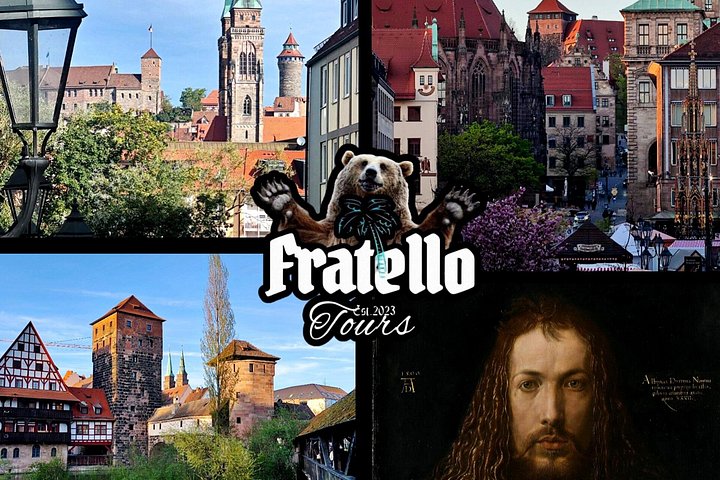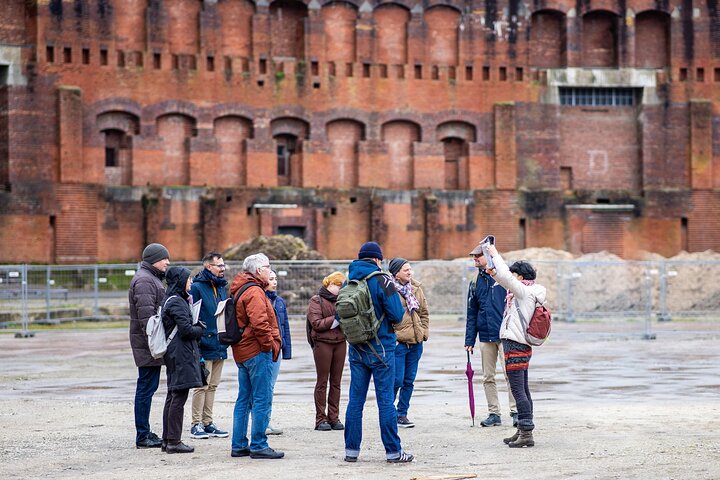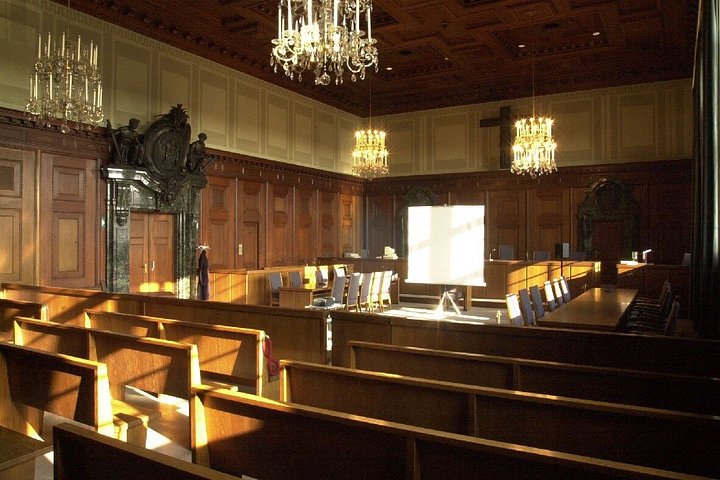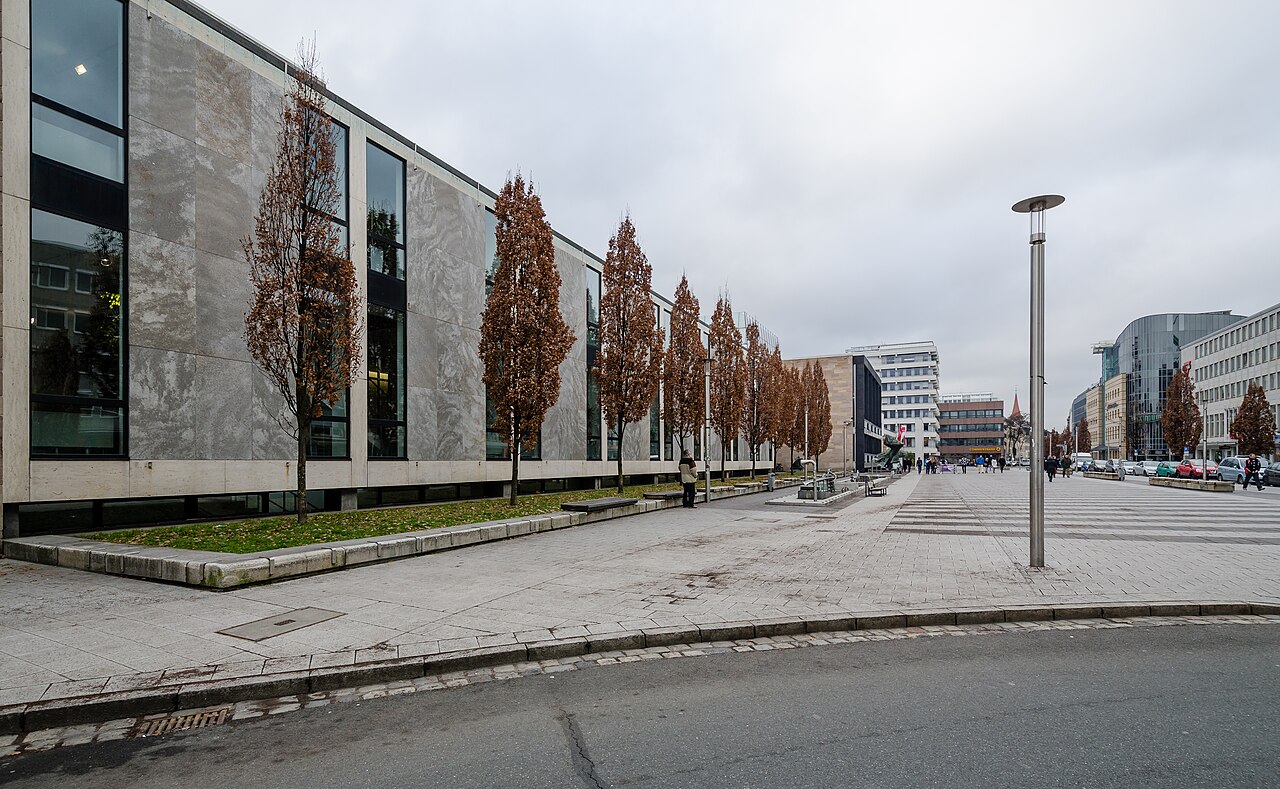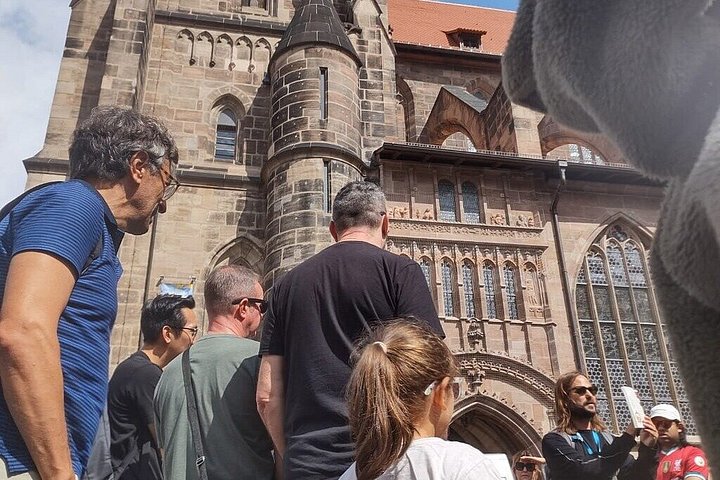
Nuremberg's old town is compact, walkable and far more layered than it first looks. Inside a ring of sandstone walls about five kilometres long, the streets climb from the Hauptmarkt square up to the Imperial Castle and slope down to the Pegnitz river, and almost everything you came to see sits within a twenty-minute stroll. What makes a guided walk worth it is context: the city was one of the richest trading centres of the Holy Roman Empire, the place where emperors were obliged to hold their first Diet, and later the stage for the Nazi rallies and the war crimes trials. Most of the old centre was flattened in a single raid in January 1945 and then rebuilt in the original street pattern and materials, so a good guide tells you which gables are medieval survivors and which are careful postwar reconstructions. A typical English-language tour of around two hours links the main square, the two great churches, the river bridges, the craftsmen's lanes and the castle approach, and it is the best first activity of any trip because every later museum and meal slots into the map you build on day one.
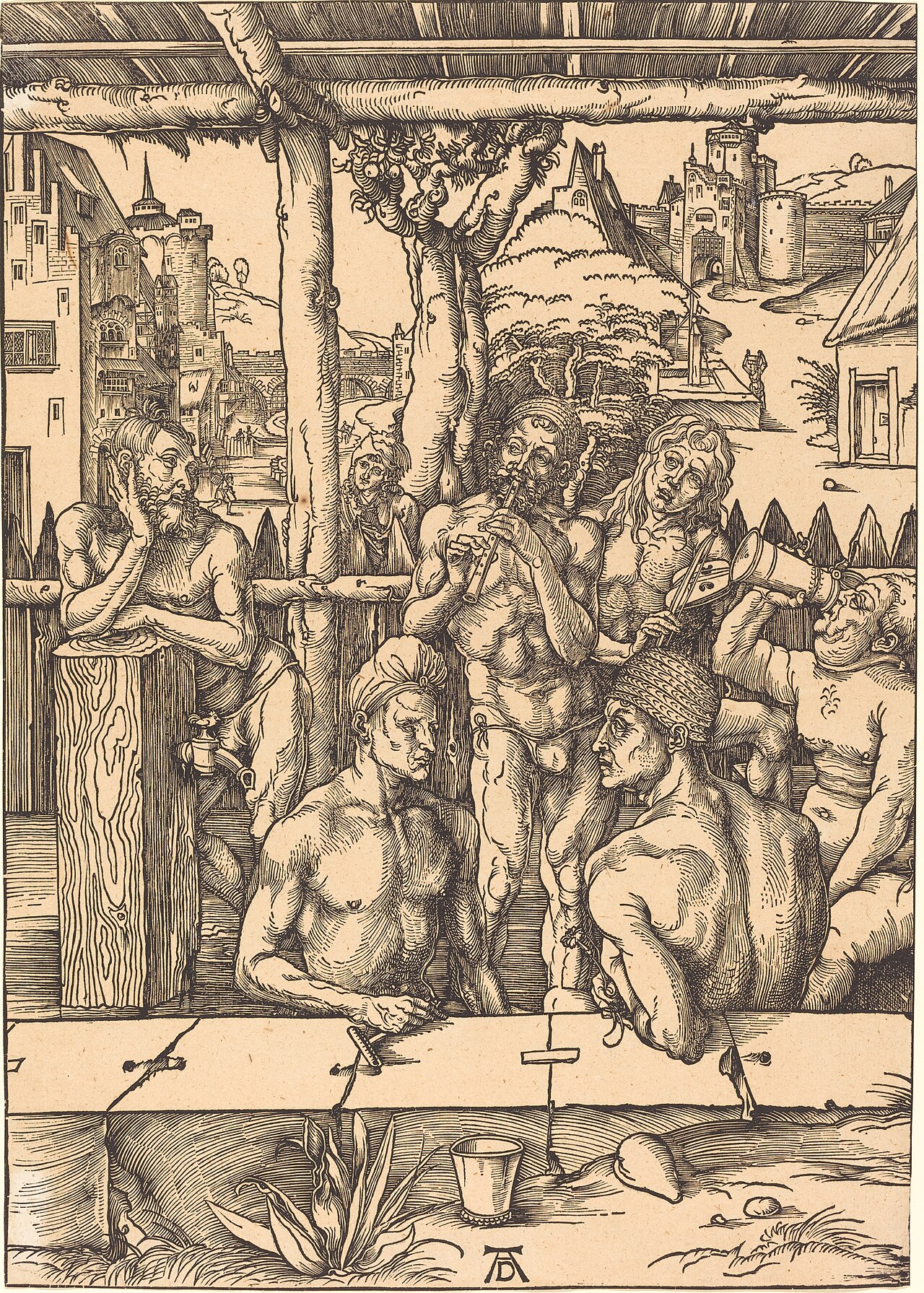
The route most guides follow starts near the Hauptmarkt, where the Beautiful Fountain and the Church of Our Lady set the tone, then threads past the Gothic church of St. Sebald and the Old Town Hall before climbing the steep lanes towards the castle. Along the way you meet the characters who made the city famous: Albrecht Dürer, the painter and printmaker whose house still stands below the castle walls; Hans Sachs, the shoemaker-poet immortalised in Wagner's opera; Veit Stoss and Peter Vischer, the sculptors whose work fills the churches; and Peter Henlein, credited with some of the first portable clocks.
Guides also explain the practical genius of the imperial city, from the water-powered workshops along the Pegnitz to the trade privileges that made Nuremberg a hub between Italy and northern Europe.
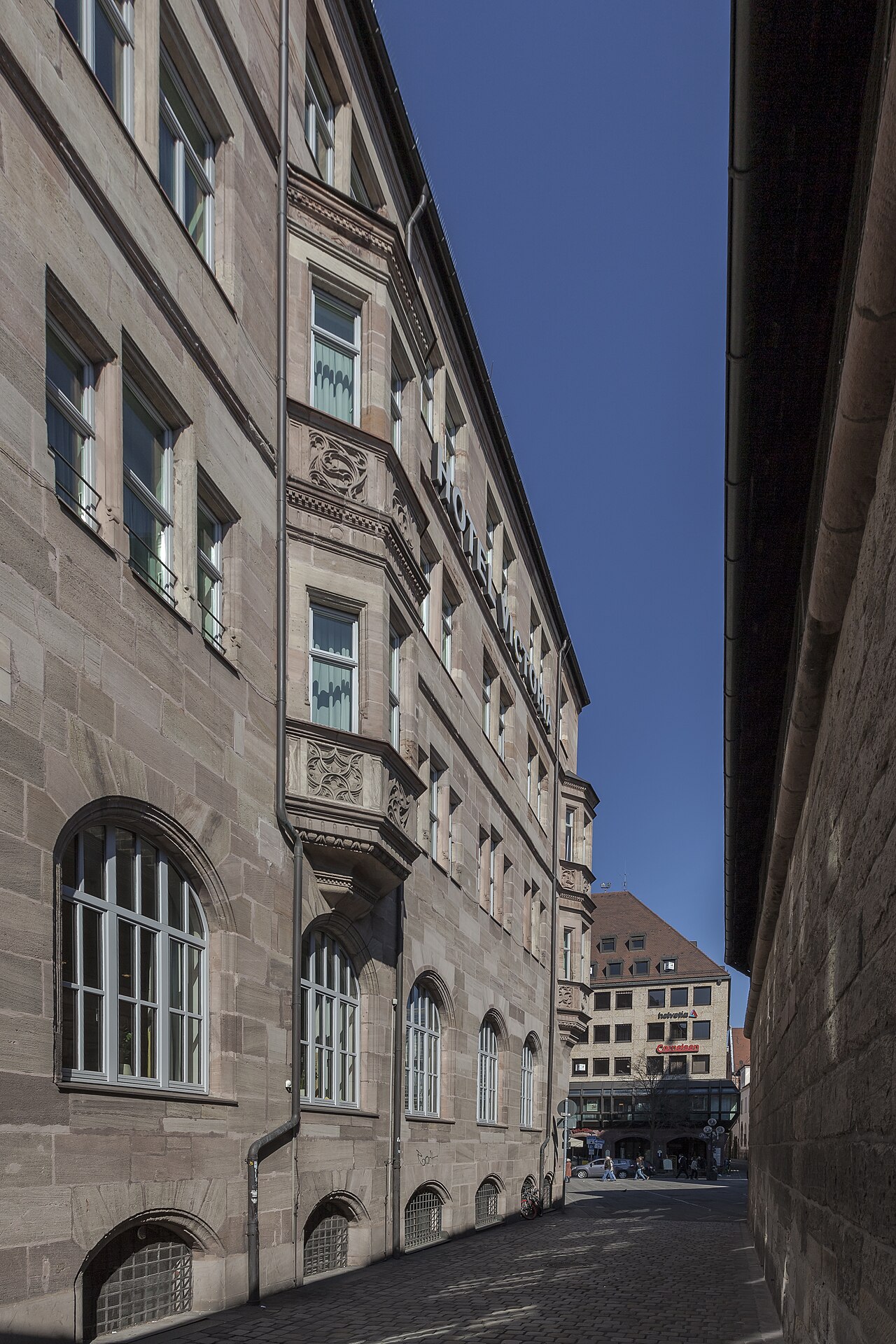
Because the war damage is so central to the story, the better tours pause at the places where the contrast is clearest, such as a restored church facade beside a modern infill, or a surviving medieval cellar entrance under a new building. Expect to hear about the 1945 destruction, the decision to rebuild rather than modernise, and the later work of confronting the city's darker chapter. Tours generally stay respectful and factual on that subject and leave the detailed rally-grounds and trials history to dedicated tours.
Practicalities are simple. Wear shoes that cope with cobbles and a steep castle approach, bring a layer in winter because the lanes funnel wind, and book the morning slot if you want the Hauptmarkt before the day crowds arrive. Walking tours run in most weather, and the old town is flat enough in its lower half to suit most fitness levels, though the climb to the castle is a real hill.
If you prefer to go at your own pace, the old town is easy to self-guide with a map from the tourist office, but a guided first walk saves hours of wondering what you are looking at.
What to expect
The experience
A guided English-language walk of around two hours through the walled old town, covering the main square, the great churches, the river and the castle approach.
Best time
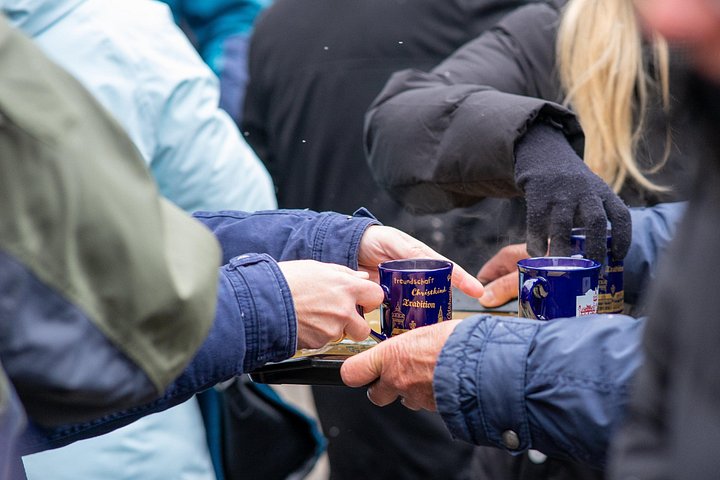
Morning for the quietest Hauptmarkt; late afternoon for warm light on the sandstone. Winter walks run too, with a layer and gloves.
How long
About two hours at a relaxed pace, plus a coffee stop afterwards.
Tips
Do it first, on arrival day, and let the guide set your map. Wear comfortable shoes for cobbles and the castle hill, and keep a little time afterwards for the bratwurst stands nearby.
Quick picks
- Best for
- Anyone on a first visit who wants the city explained before they explore it alone.
- Families
- Fine for school-age children who like stories; very young children may tire on the castle climb.
- Couples
- A relaxed introduction that ends naturally with a drink on the square.
- Pair with
- The Imperial Castle, the Hauptmarkt and a Franconian lunch within the same afternoon.
- Time needed
- Two hours for the tour, half a day with lunch and the castle.
Good questions
Do I need to book the walking tour in advance?+
Booking ahead is wise in the Christmas market season and on summer weekends, when English-language slots fill. Quieter weekdays often have space, but reserving removes the risk.
Is the old town walkable without a guide?+
Yes. The centre is compact and well signposted, and a map from the tourist office is enough. A guide adds the stories behind the rebuilt streets, which is hard to get from signs alone.
How much of Nuremberg's old town is original?+
Most of it was destroyed in January 1945 and rebuilt in the historic street pattern. A few churches and houses survived or were restored, and a good guide shows you which is which.
Is the tour suitable for people with limited mobility?+
The lower old town is largely flat, though cobbles are uneven and the climb to the castle is steep. Tell the operator in advance if you need a gentler route.
Does the tour cover the Nazi rally grounds?+
Usually not in detail. The rally grounds sit several kilometres south-east of the walls and are covered by separate tours, so plan them as a second outing.