The Nuremberg Christkindlesmarkt is the best-known Christmas market in Germany and a reason many people choose to visit the city. It has been part of the city's identity for centuries, and the setting, with red-and-white stalls beneath the Church of Our Lady, is a postcard image. It is also very busy, so planning pays off. This guide explains how to enjoy the market, eat well and avoid the worst of the crowds.
The season
The market opens on the Friday before the first Sunday of Advent and runs until Christmas Eve. Dates change each year, so check the tourist office before you book. The opening ceremony features the Christkind, a local young person dressed as an angel, who recites a prologue from the church balcony. Weekends and evenings are the busiest. Weekday afternoons are calmer, and the first week of the market is often more relaxed than the period just before Christmas.
What to eat and drink
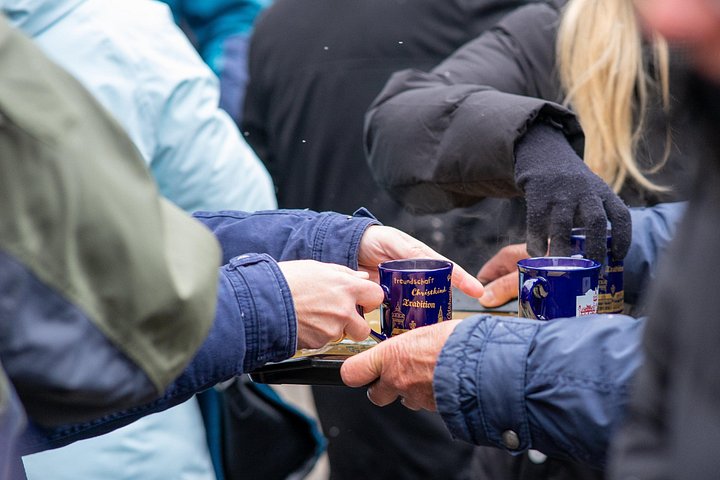
Start with Nuremberg Rostbratwürstchen, small grilled sausages usually served in a bread roll or on a plate with sauerkraut. Try Lebkuchen, the soft spiced gingerbread, buying a tin from a reputable stall or shop. Warm up with Glühwein, hot spiced wine, served in a collectable mug that you can keep or return for the deposit, and consider Feuerzangenbowle, a rum-soaked sugarloaf set alight over the wine. Non-alcoholic children's punch is widely available. Roasted almonds, crepes and baked potatoes round out the options. Look for Zwetschgenmännla, little figures made from dried prunes, and Rauschgoldengel, golden foil angels, as traditional souvenirs.
Beating the crowds
Go early on a weekday for the best experience of the main square. Explore the side lanes and the smaller markets, such as the children's market on Hans-Sachs-Platz and the Sister Cities market, where crowds are thinner. Avoid weekend evenings if you dislike crush conditions. Keep valuables secure in busy places. If you need a break, step into St. Sebald or the Toy Museum, or visit the Germanisches Nationalmuseum for warmth.
Guided tasting tours
A guided walk with tastings is an efficient way to learn what to eat and why. Tours cover the main foods, the history of the market and the best vendors, and they usually last around two hours. English-language slots fill early in December, so reserve in advance. For families, the children's market and a visit to the Toy Museum make a gentle alternative to a long walk through the stalls.
Where to stay
Hotels in the old town and near the station are in high demand during Advent. Book as early as possible, and consider the benefits of walking distance: icy evenings and crowded trams make a central address valuable. Hotel Agneshof, Hotel Elch and Hotel Drei Raben place you close to the stalls, while Le Méridien Grand and the Maritim are strong options by the station and the wall. Budget travellers will find Motel One properties good value if reserved early.
What to wear and carry
Dress in layers, with a warm coat, hat and gloves, and waterproof shoes for slush. Carry a small bag, keep your hands free for mugs and sausages, and bring some cash for small stalls. Evening temperatures can fall below freezing, and standing around in the cold is part of the experience.
Side trips in Advent
Many nearby towns hold their own Christmas markets, and Rothenburg is a favourite because of its Christmas shops and festive atmosphere, although it is also busy. Bamberg offers a calmer market in a UNESCO setting. Both are reachable by train in about an hour. In Nuremberg, the nearby villages host smaller markets with craft stalls and local food.
Beyond the market
The city also offers concerts in the churches, special exhibitions and festive tours of the old town. The Imperial Castle looks lovely above the market on a clear evening. If you want a break from crowds, the cellars tour and the museums are warm and quiet. Remember that the market closes on Christmas Eve, and many shops and restaurants close on the holidays, so plan meals accordingly.
Souvenirs worth buying
Choose items that last: a tin of Lebkuchen from a established baker, a hand-finished wooden ornament, a pewter figure or a Rauschgoldengel from a stall that can tell you who made it. Be cautious with cheap imports. The Glühwein mug is a fun memento that costs only a small deposit if you do not keep it. Many stalls will ship larger items, and the shops around the Hauptmarkt stay open for the season with a wider selection and better prices on some goods.