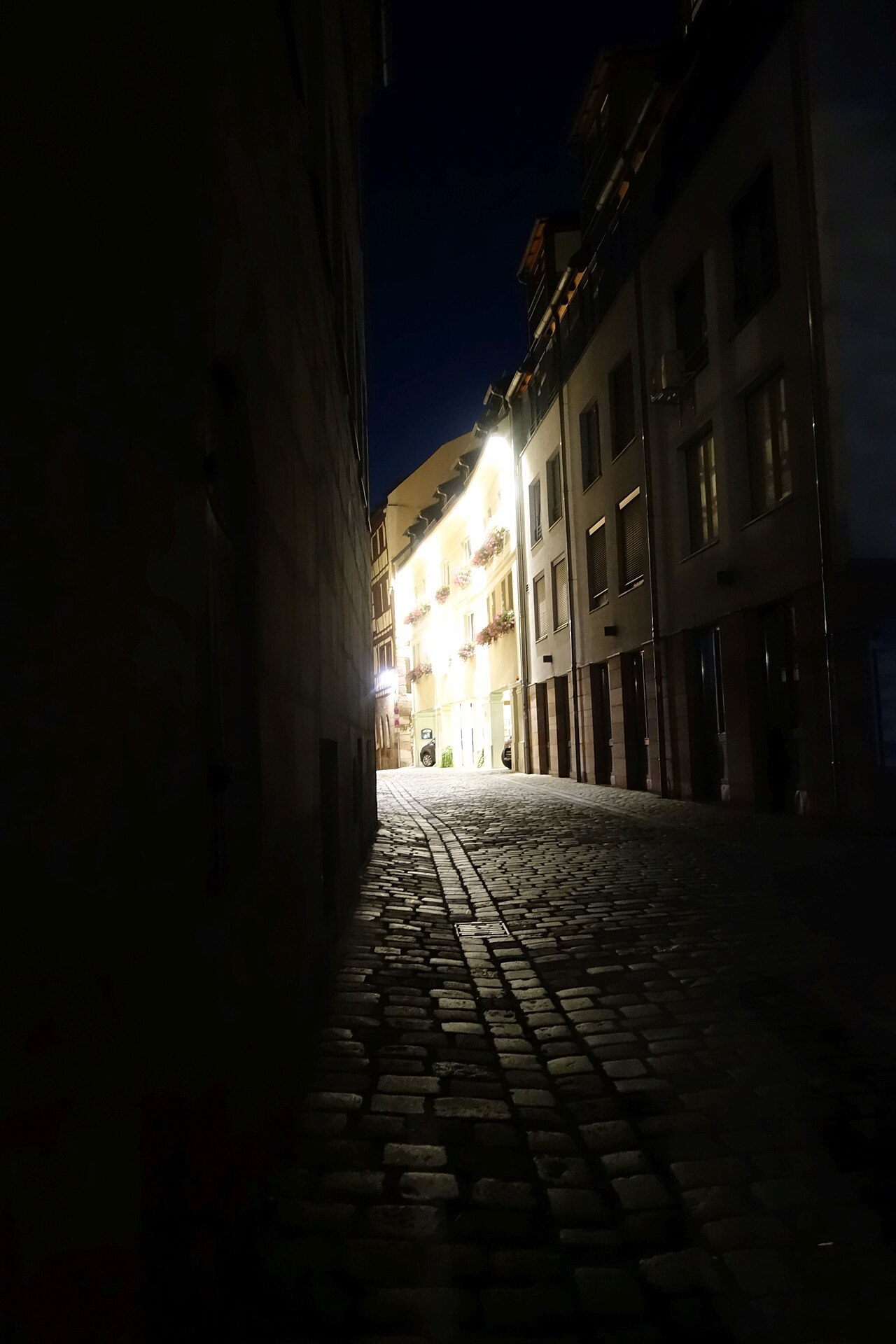
Nuremberg rewards a visitor who understands its two faces. One is the medieval imperial city of sandstone walls, a hilltop castle, Gothic churches and gingerbread, the home of Albrecht Dürer and a centre of trade in the Holy Roman Empire. The other is the twentieth-century city of the Nazi rallies and the war crimes trials, which left some of the most important historical sites in Europe. A good first trip makes room for both, and this guide explains how.
How the city is laid out
The old town sits inside a ring of walls about five kilometres long, and the Pegnitz river divides it into a northern half, below the castle, and a southern half around St. Lorenz. The main station lies just outside the walls on the south side, and Königstrasse, the main shopping street, leads from the station through the Königstor into the heart of the old town. Almost everything medieval is within a twenty-minute walk of the Hauptmarkt, the central market square. The twentieth-century sites are outside the walls: the Rally Grounds in the south-east, and the Palace of Justice to the west. Both are reachable by tram or U-Bahn in about fifteen minutes.
The essential sights
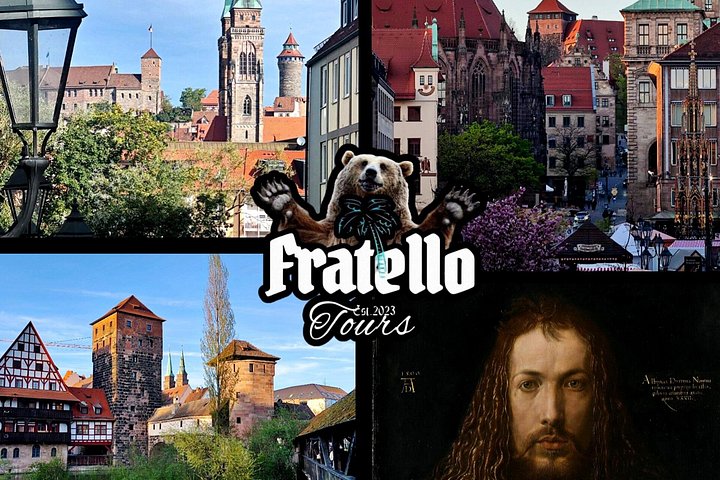
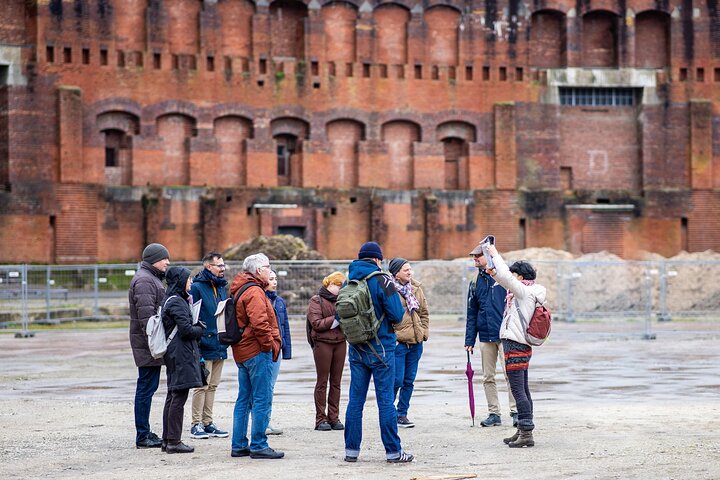
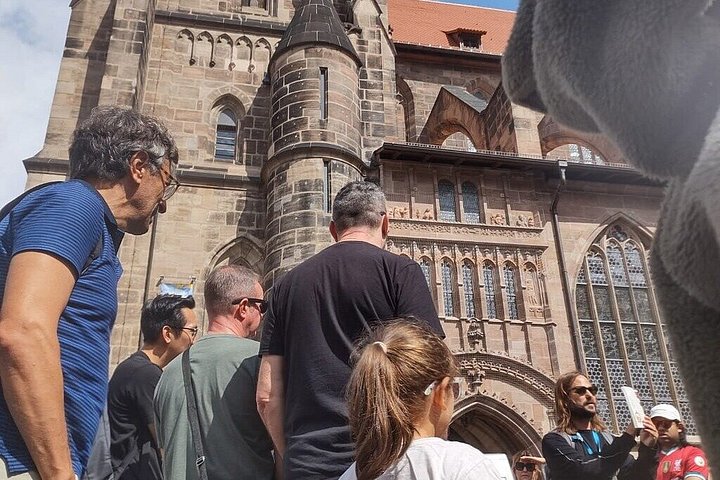
Start with the Hauptmarkt, the Beautiful Fountain and the Church of Our Lady, whose clock figures parade at noon. Climb to the Imperial Castle for the view over the roofs and the story of the emperors. Visit the Dürer House for the artist's workshop, and step into St. Lorenz and St. Sebald to see the carved masterpieces by Veit Stoss and the bronze shrine by Peter Vischer. For the modern story, the Rally Grounds with the Documentation Center and the Memorium Nuremberg Trials at Courtroom 600 are the key visits. A guided old-town walk on your first morning is the quickest way to understand how these pieces fit together.
Getting around
The old town is best on foot, and the cobbles are kinder in comfortable shoes. For longer trips, the U-Bahn, trams and buses form an efficient network, and day tickets or visitor passes can save money if you plan several rides. Taxis are easy at the station. The airport is connected by U-Bahn to the centre in about twenty minutes, which makes arrival simple. Regional trains from the main station reach Bamberg, Regensburg, Rothenburg and Munich, so Nuremberg works well as a base for Franconia and northern Bavaria.
Where to stay
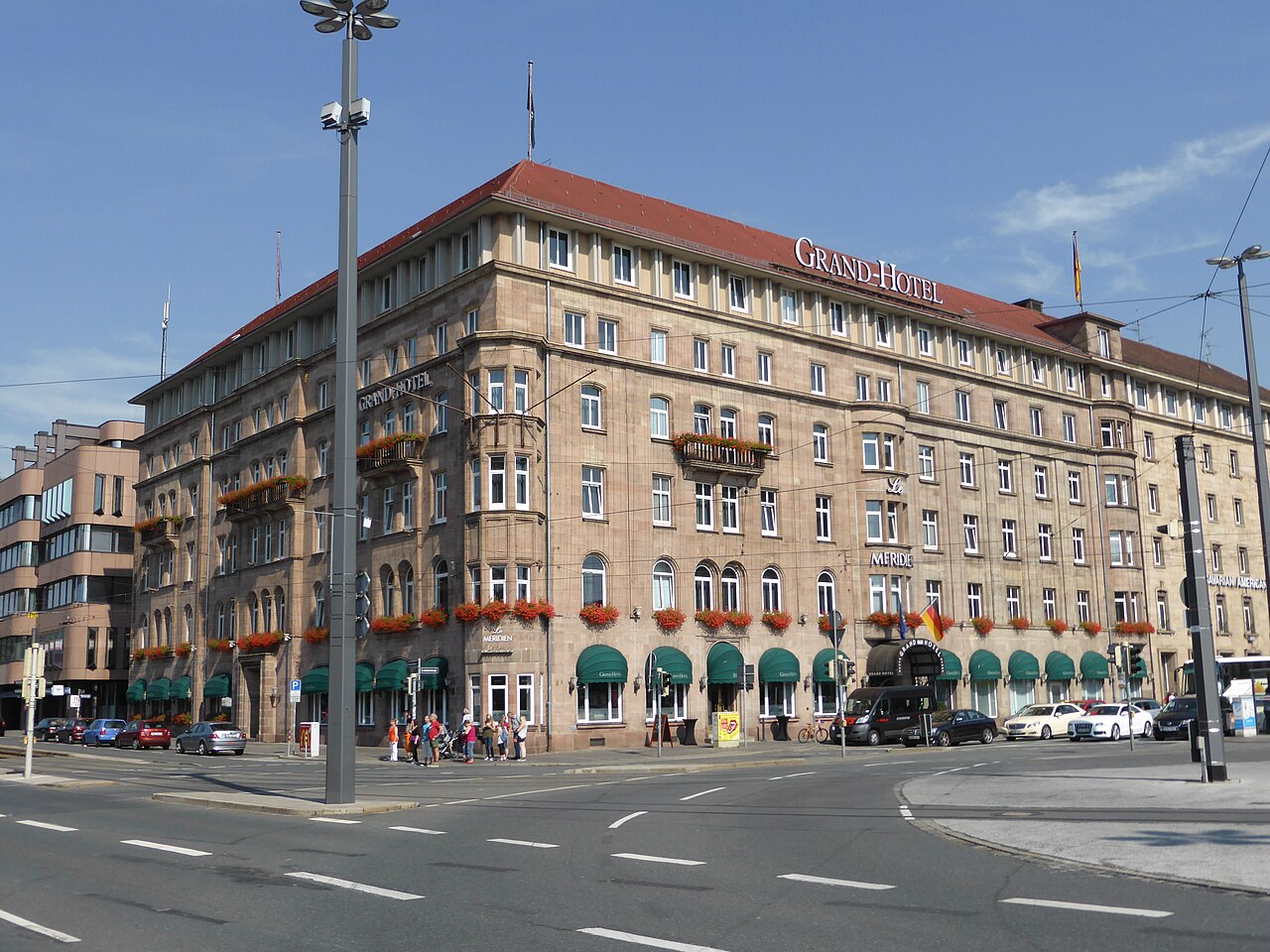
For first-timers, the best choices are either near the station and Königstrasse, which suit short stays and train travel, or inside the old town below the castle, which offers more atmosphere. Le Méridien Grand and the Sheraton Carlton are polished options by the station, Hotel Drei Raben adds character on Königstrasse, and Hotel Agneshof gives a quiet lane below the castle. Motel One properties offer good value. Book early if your visit falls during the Christmas market or a major trade fair, as rooms fill and prices rise sharply.
What to eat
Franconian food is hearty and local. Try Nuremberg's small grilled bratwurst, usually served by the half-dozen with sauerkraut or potato salad, and Schäufele, slow-roast pork shoulder with dumplings. Lebkuchen, the soft spiced gingerbread, is the city's sweet signature. Beer is excellent, from amber lagers to cloudy Kellerbier. A food tour early in your stay gives you a list of dishes and places to repeat.
When to go
The Christmas market from late November to Christmas Eve is the most famous season, magical but crowded and expensive. Late spring and early autumn are mild and ideal for walking, with beer gardens open and day trips at their best. Summer can be hot and busy but long days help, and winter outside Advent is quiet and good value, though some attractions shorten their hours. Many museums close on Mondays, so plan your week around that.
Balancing the two stories
The city's heavy history can weigh on a trip, and pacing helps. Give the Rally Grounds or the Memorium a morning of its own, follow it with something light such as the Toy Museum or a river walk, and keep an evening free for a Franconian dinner. Children and teenagers may need preparation for the content, and many visitors find that discussing it afterwards, over a meal, is part of understanding it.
Practical tips
Carry some cash for market stalls and small bakeries, although cards are increasingly accepted. Sunday shop closures are strict in Germany, so buy groceries on Saturday. Tap water is safe, and public toilets often charge a small fee. Check opening days for museums and churches, since services and concerts can limit access. Finally, allow at least two full days: one for the old town and the castle, and one for the twentieth-century sites, with a third for a day trip if you can.