Nuremberg holds a place in twentieth-century history that no other German city shares. It was the stage for the Nazi Party's largest rallies, the city where the racial laws of 1935 were announced, and the place where the Allies tried the surviving leaders of the regime after the war. Visiting these sites is not entertainment; it is a way to understand how mass politics, propaganda and persecution worked, and how the world responded. This guide helps you plan with respect and clarity.
Why Nuremberg
The party chose the city for its symbolic link to the medieval empire, its central location and its good rail connections. Between 1933 and 1938 the annual rallies drew huge crowds, staged with military precision and monumental architecture designed by Albert Speer and others. After the war, the same city was chosen for the trials because the Palace of Justice was largely intact and had a prison attached. The contrast between the two roles is part of why the city feels so significant.
Where to start
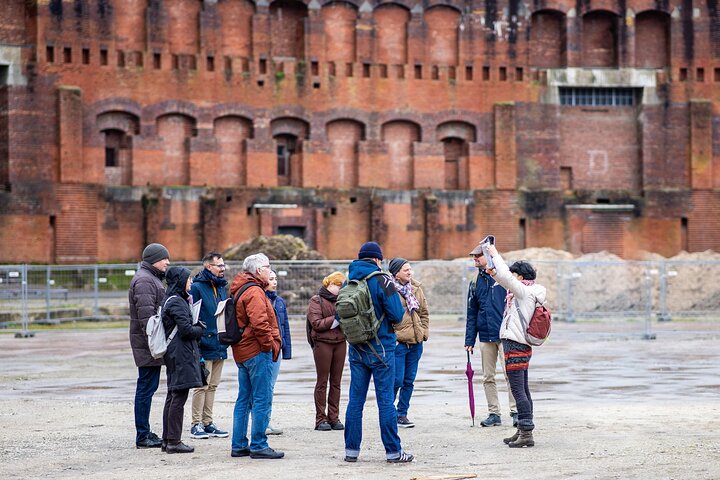
Most visitors begin with the Documentation Center at the Rally Grounds, because it explains the rise of the movement, the rallies and the regime's crimes in a single narrative. Take the English audio guide and allow ninety minutes or more. Afterwards, walk the Zeppelin Field grandstand and the edge of the unfinished Congress Hall, and follow the line of the Great Road if time allows. The scale of the site is the point: it was designed to make individuals feel small. The open grounds are usually accessible without a ticket, and the exposed setting means you should dress for the weather.
The trials
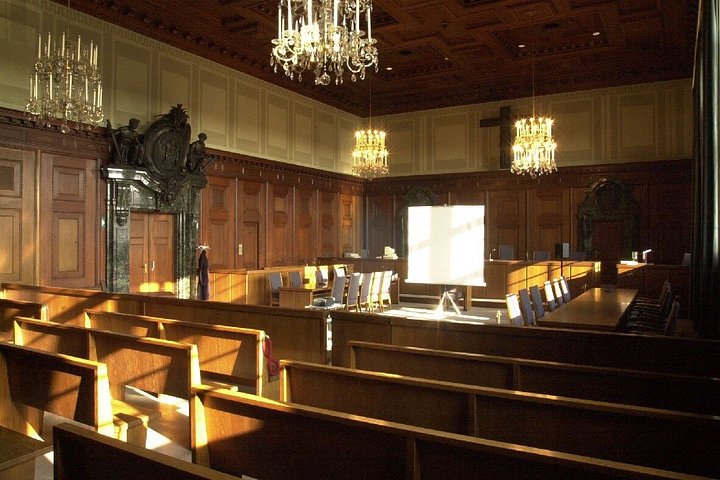
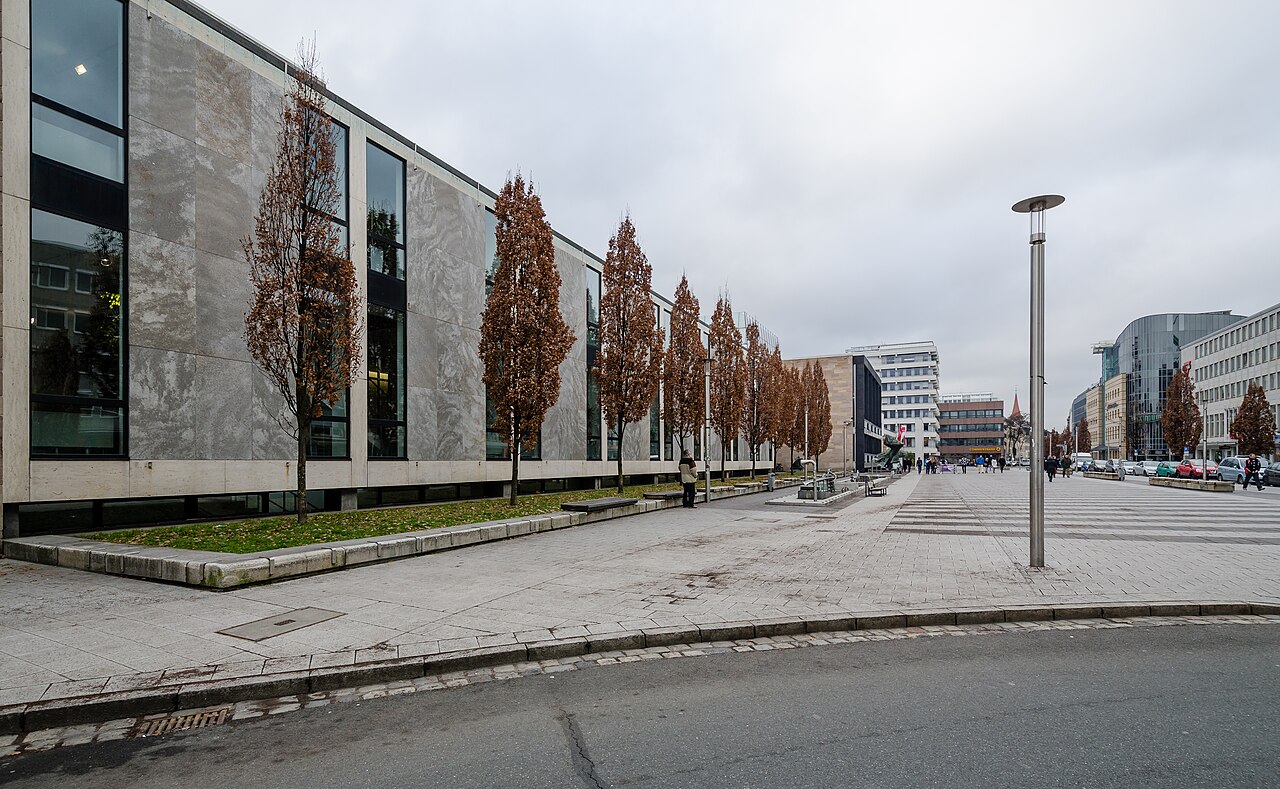
The second key stop is the Palace of Justice, where the Memorium Nuremberg Trials exhibition and Courtroom 600 tell the story of the International Military Tribunal of 1945 and 1946. The exhibition covers the legal innovations, the evidence presented and the later trials, and it places the proceedings in the history of international law. Courtroom 600 remains in use as a working court, so access can be restricted on days when hearings take place. Check before you go and arrive early. English audio guides are available.
Guided or independent
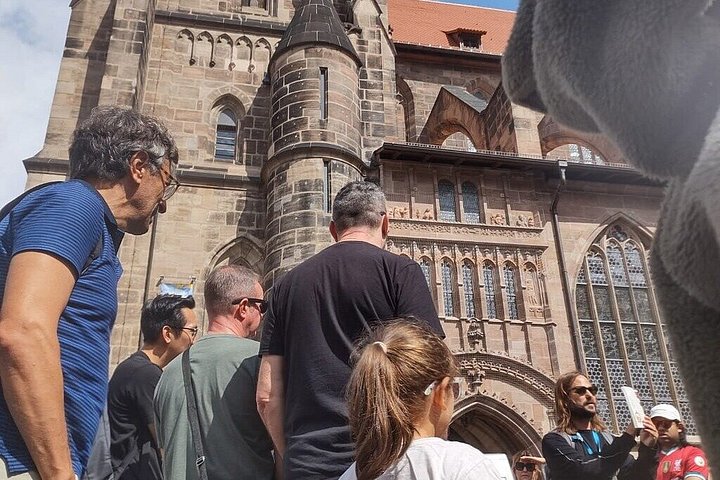
Both approaches work. Independent visitors will find strong audio guides and clear signage. Guided tours add context on architecture, propaganda techniques and personal stories, and they help with logistics such as tram connections and timing. English-language tours that combine the Rally Grounds, the old town and Courtroom 600 are popular, though they cover a lot of ground in a short time. If you want depth, choose a longer or private option, and book ahead.
Order and pacing
A sensible order is to visit the old town first, to see what the city was before the regime, then the Rally Grounds, then the Palace of Justice. Spread the sites over at least two sessions, and give yourself time to rest between them. Do not plan a heavy sightseeing schedule on the same afternoon. Many visitors find it helpful to follow a day on this subject with a calm evening and a walk along the river.
With teenagers
Older teenagers often respond well to the sites, particularly if they have studied the period. Prepare them in advance by explaining what they will see, and agree that they can pause or step outside. Children under about twelve may struggle with the content. The Documentation Center and Memorium contain images of atrocities, and parents should review the material and decide what is appropriate.
Etiquette
Treat the sites as places of memory. Keep voices low, avoid gestures that imitate the regime, and follow photography rules. The Zeppelin Field is used today for sports events and festivals, which can be surprising, but it reflects the city's choice to engage with the past rather than hide it. The Way of Human Rights near the Germanisches Nationalmuseum offers a quiet counterpoint, with its columns carrying the articles of the Universal Declaration of Human Rights.
Beyond Nuremberg
If you want to go further, other memorials in Bavaria, such as Dachau near Munich, are reachable by train. Nuremberg itself offers enough for a thoughtful day or two, and combining it with the medieval old town gives balance.
A note on tone
Many visitors arrive unsure how they should feel, and the sites do not tell you. Some people find the scale unnerving, others find the Documentation Center's careful evidence more affecting than the architecture. Both reactions are normal. Allow quiet time between visits, talk with your companions, and consider reading a short history of the period before you go, so that the names and dates in the exhibitions land in a framework you already know.