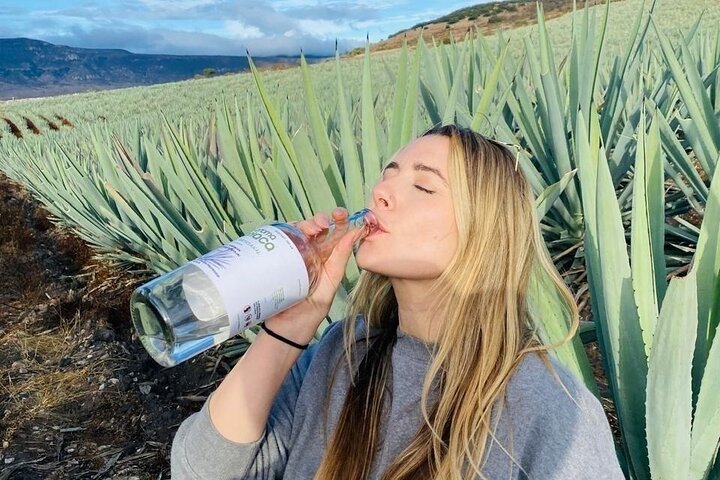
Most of Mexico's mezcal is made in Oaxaca, and the best way to understand it is to visit the small family distilleries called palenques in the valleys outside the city. A tour usually starts in the fields, where you meet the agave plants, including the espadín used for most bottles and wilder varieties that take many years to mature. At the palenque the hearts of the plant are roasted in a stone-lined pit, crushed under a horse-drawn stone wheel known as a tahona, fermented in wooden vats and then distilled in copper or clay stills. The smell of smoke and sweet cooked agave is the first thing you notice. Tastings come last, with small pours of several styles and a guide who explains how to sip, what to look for and how to read a label. Tours range from half-day outings to full days that add food and craft villages. A smaller group tends to mean a more personal experience. Mezcal is strong, so pace yourself, eat well and drink water between tastes.
What to ask
How old are the agaves, how was the agave cooked, and what kind of still was used? Producers often have bottles that are not sold abroad, and tasting them side by side teaches you more than a lecture. Look for the labels of certified producers and ask about sustainability, because wild agaves take many years to grow and conservation is a growing concern.
A cultural thread
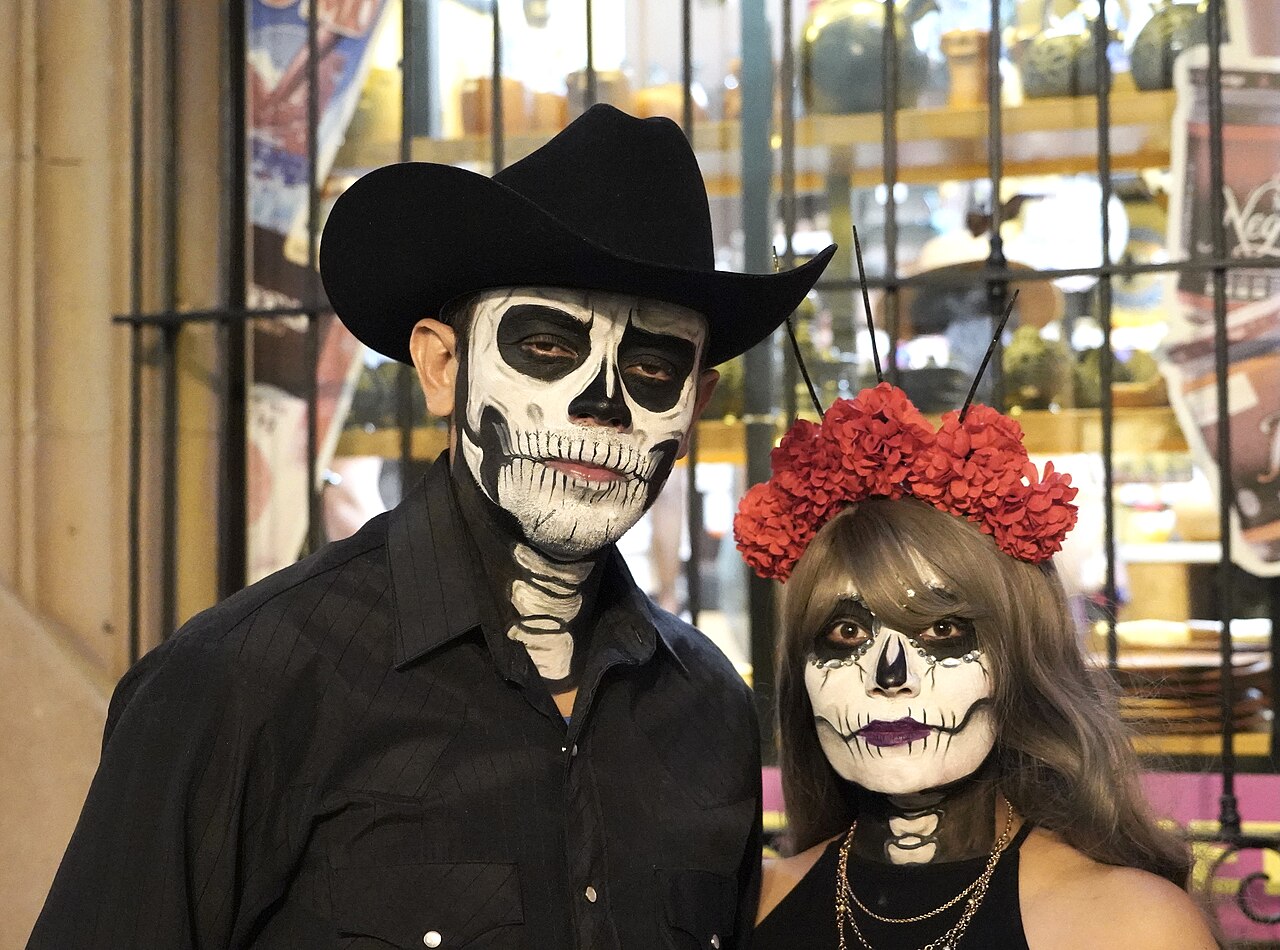
Mezcal is part of weddings, funerals and festivals across the region, and the ritual of serving it in small clay cups with orange slices and sal de gusano, a salt blended with ground agave worm and chile, is part of the experience. Many palenques are run by families who have made mezcal for generations, and hearing their stories is often the most memorable part of the day.
Planning
Choose a tour with a designated driver so everyone can taste, and wear closed shoes because distilleries have uneven floors. Avoid drinking heavily the day before and take your time with each pour. Bottles are inexpensive compared with those abroad, so leave room in your luggage and check airline rules for liquids. For a day that combines mezcal with other sights, look for tours that add Hierve el Agua, Mitla or a village market.
What to expect
The experience
A visit to agave fields and a family palenque to see roasting, milling, fermenting and distilling, finishing with a guided tasting.
Best time
Morning or early afternoon, so the day ends before the evening.
How long
Three hours for a short tour, up to a full day when combined with other stops.
Tips
Sip slowly, drink water, eat first, wear closed shoes and ask your guide about producers and labels.
Quick picks
- Best for
- Spirits lovers and anyone curious about the roots of Oaxacan culture.
- Families
- Best for adults, though older children can enjoy the fields and the stone mill while adults taste.
- Couples
- A tasting at a family palenque followed by lunch in the countryside is a lovely day.
- Pair with
- Mitla, Hierve el Agua and Teotitlán del Valle.
- Time needed
- Half a day to a full day.
Good questions
What is the difference between mezcal and tequila?+
Both come from agave, but mezcal can use many agave types and is often roasted in earth pits, which gives smoky flavours. Tequila uses blue agave and is usually cooked in ovens.
Is a tour better than visiting bars?+
A distillery tour shows how mezcal is made and lets you meet producers, which bars cannot match. Many visitors do both.
What is a palenque?+
It is a traditional mezcal distillery, usually small and family-run, where agave is roasted, milled, fermented and distilled.
Can I bring bottles home?+
Yes, within your airline and customs rules. Wrap bottles well and check limits for liquids in carry-on bags.
How strong is mezcal?+
It is typically around forty to fifty percent alcohol, so sip small amounts and eat and drink water between tastings.