Oaxaca de Juárez is a compact colonial city set in a high valley, surrounded by Zapotec ruins, craft villages and mezcal country. Its historic centre is flat and walkable, its food is among the best in Mexico and its day trips are close enough to do in a morning or an afternoon. Four days is a comfortable first visit, five or six lets you slow down, and three is possible if you stay focused. Here is how to plan it.
Book ahead
Most of the city needs no booking, but a few things do. Reserve your hotel early for July, when the Guelaguetza festival fills rooms, and for late October to early November, when Día de Muertos draws crowds. Reserve a cooking class, a mezcal tour or a Monte Albán guide a few days ahead, and book any popular restaurant tables on weekends. The Hierve el Agua day trip is easiest as a tour, and tickets can usually be arranged shortly beforehand.
Getting around
The historic centre is best explored on foot. Taxis are inexpensive and are the simplest way to reach Monte Albán, the bus stations and the airport, and collective taxis and buses serve the valley villages. For Mitla, Hierve el Agua, Teotitlán del Valle and the Tule Tree, most visitors join a guided day tour or hire a driver, which saves the effort of arranging transfers. Cycling tours to the Tule Tree are a pleasant alternative.
Day one: the centre
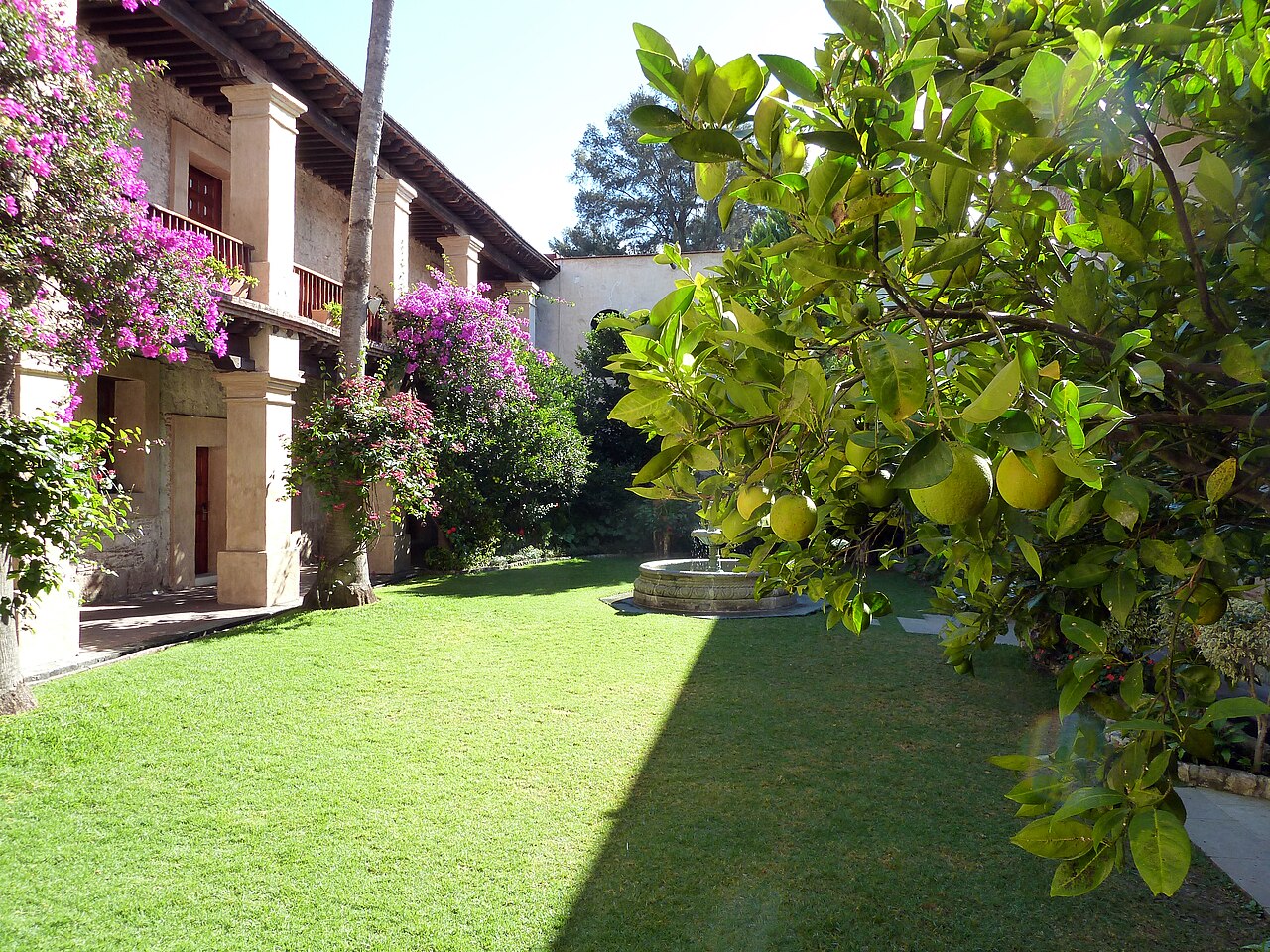
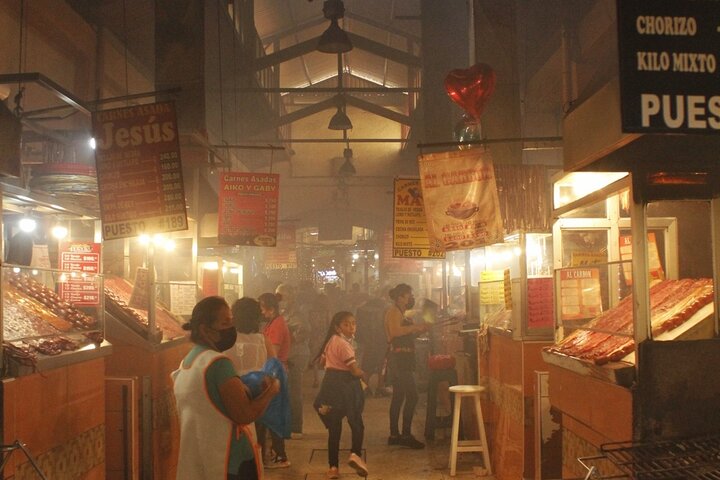
Start with the Zócalo and the cathedral, then walk up Calle Macedonio Alcalá to the Santo Domingo church and the Museo de las Culturas and its ethnobotanical garden. Eat lunch in the markets around Benito Juárez and 20 de Noviembre, and spend the evening on the plaza. A guided market and food tour is a good way to learn what to order.
Day two: Monte Albán and the craft villages
Go in the morning to the Zapotec capital, then visit Arrazola for alebrijes or San Bartolo Coyotepec for black pottery on the way back. In the evening, try a mezcal tasting in the centre.
Day three: the eastern valley
Take a full-day trip east to the Tule Tree, Teotitlán del Valle for weaving, Mitla for its stone mosaics and, if it is open, Hierve el Agua for the petrified waterfalls, with a stop at a mezcal distillery. It is a long day, so go with a guide and dress for sun.
Day four: cook and rest
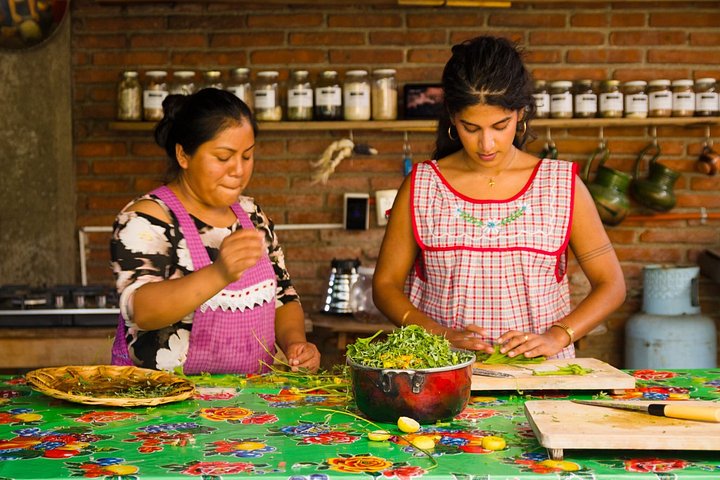
Take a hands-on cooking class with a market visit in the morning, wander the galleries and shops in the afternoon, and finish with dinner at a restaurant that serves regional dishes. Add a day for Día de Muertos if you are visiting in the season, or for a second distillery.
When to go
The dry season from roughly November to April is the most comfortable, with warm days and cool evenings. The rains from about June to October make the hills green and bring afternoon showers. July brings the Guelaguetza, and late October to early November brings Día de Muertos, with altars, parades and candlelit cemeteries, so plan hotels and tours far in advance for those weeks.
Good to know
The altitude is moderate but the sun is strong, so carry water, a hat and sunscreen. Many places prefer cash in pesos, especially markets and villages. Bottled or purified water is the norm. The US State Department currently lists the state of Oaxaca at Level 2, exercise increased caution, so check the latest guidance before you travel, use ordinary city awareness and ask your hotel about road conditions and closures before day trips, especially to Hierve el Agua.