Three days is enough to see the best of Oaxaca if you plan the order well. The city's highlights are close together, and the ruins and villages are an easy drive away, so the key is to group things by area and match the long days to the cooler mornings. This itinerary puts the historic centre first, the Zapotec capital and the southern craft villages second, and the full eastern valley on the third day. Swap days freely to suit the weather, and note that markets and a few museums have weekly closing days, so check before you go.
Day one: the historic centre
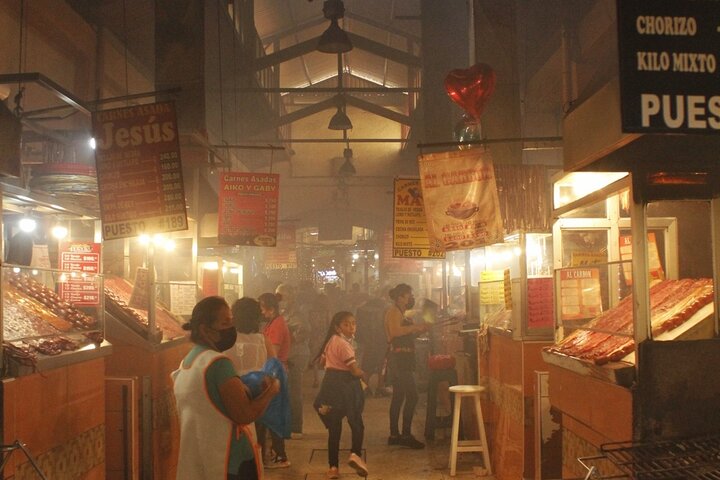
Start early with coffee and sweet bread, then walk to the Zócalo and the cathedral, which are at their most peaceful in the morning. Continue up the pedestrian street of Macedonio Alcalá to the church of Santo Domingo, whose gilded interior is one of the most memorable in Mexico, and spend an hour or two in the Museo de las Culturas in the former convent, which tells the region's story from the Zapotecs onward. The ethnobotanical garden behind it is a quiet place to rest. For lunch, head to the covered markets around Benito Juárez and 20 de Noviembre, where the smoky grill hall lets you choose cuts of meat and have them cooked at your table. In the afternoon, take it slowly with a chocolate class, a mezcal tasting or a walk through the galleries, and finish with dinner at a restaurant that serves regional dishes and an evening stroll on the plaza.
Day two: Monte Albán and the craft villages
Go up to Monte Albán first thing in the morning, when it is cooler and the plaza is quiet. A guide adds a great deal because the site has little signage, and a half-day tour with transfers is the easiest way to see it. Allow two hours on site. On the way back, stop at San Bartolo Coyotepec to see black pottery being burnished and fired, and at San Martín Tilcajete or Arrazola for alebrijes, the painted wooden animals that have become a symbol of the state. Hands-on workshops in these villages are a good way to take a little of the craft home. Return to the city for a late lunch and a rest, then spend the evening with a mezcal flight or a visit to a rooftop bar.
Day three: the eastern valley
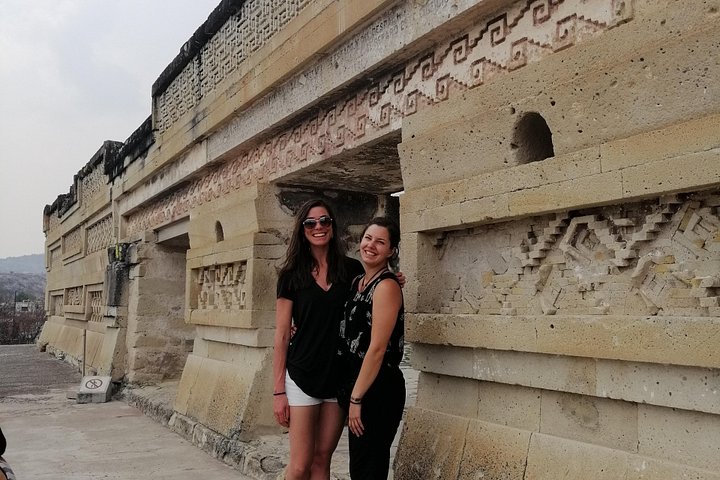
This is the longest day, so start early and go with a guide or a driver. The classic route heads east to the Tule Tree, a Montezuma cypress with one of the widest trunks in the world, then to Teotitlán del Valle for a weaving workshop and a taste of local hot chocolate. From there, the road continues to Mitla, where the stone fretwork mosaics on the palace walls are unlike anything else in Mexico, and, if conditions allow, on to Hierve el Agua, where mineral springs have built what look like frozen waterfalls on a cliff edge. A mezcal distillery stop fits naturally between the villages. If you visit on a Sunday, swap one of the stops for the Tlacolula market, where you can have barbacoa among the stalls.
Choosing what to cut
If you have to drop something, drop Hierve el Agua first, because the extra driving time is considerable and the site occasionally closes because of community decisions. Drop the craft villages second, and keep Monte Albán, the centre and Mitla. If you have time and energy left, add a cooking class on the afternoon of day one or day two, since a class with a market visit explains the city's food better than any menu.
Where to base yourself
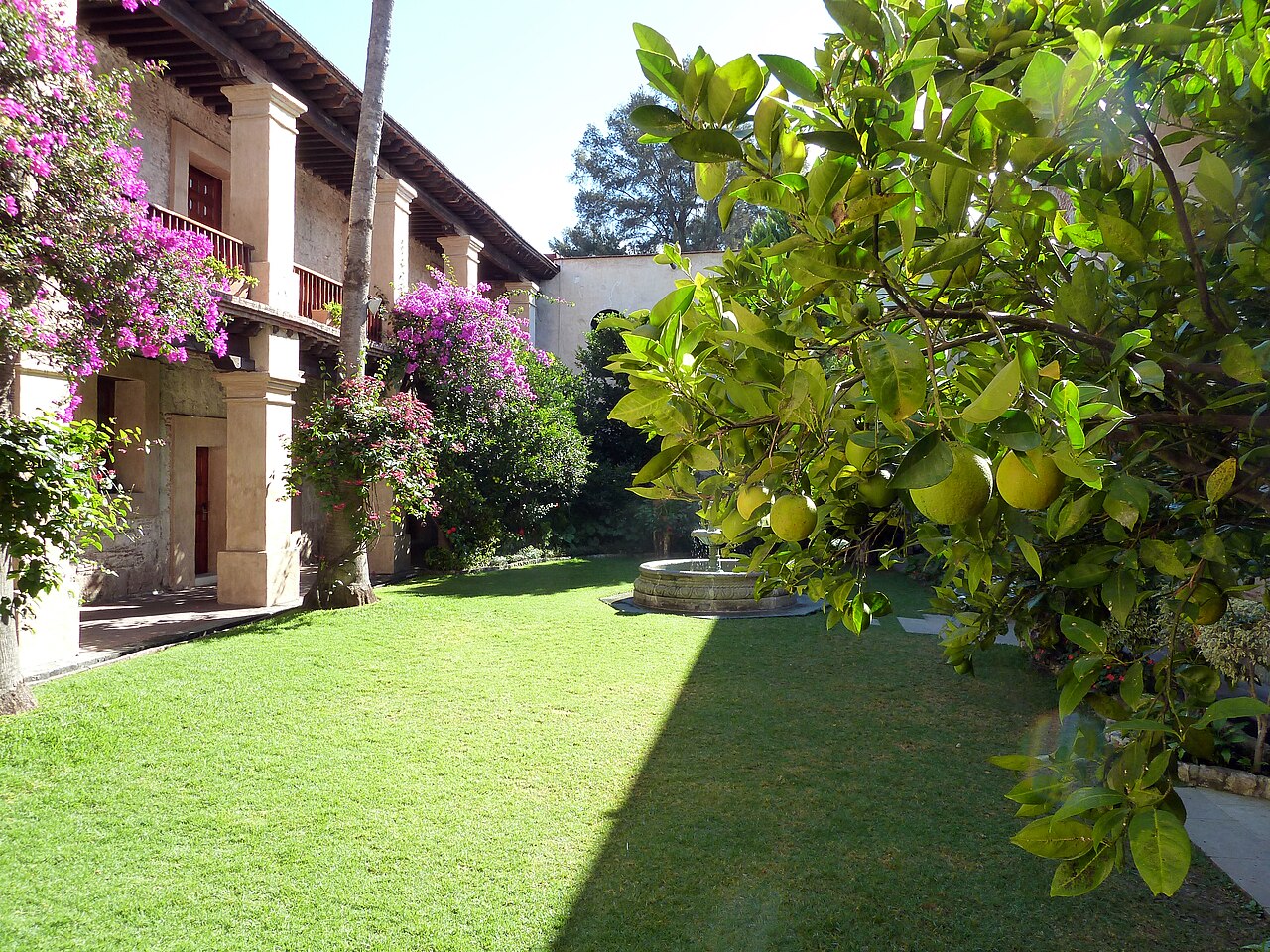
Staying near Santo Domingo or Calle 5 de Mayo puts you in the middle of day one and makes pickups for day trips simple. Quinta Real is the splurge, in a former convent, while Casa Antigua offers a central mid-range option and Casa del Sótano adds a spa and a rooftop. If you prefer a pool and a quiet night, the hillside hotels in San Felipe del Agua are a short taxi ride from the centre. For a short stay, the central hotels are the best choice because you will save time each morning.
Getting around and timing
The centre is walkable, taxis are inexpensive for short trips, and most day tours include hotel pickup. Carry water, sun protection and small bills for markets and tips. The dry season from roughly November to April is the most comfortable, while the rainy months bring afternoon showers and green hills. Reserve your hotel and any popular tours early for July and for the Día de Muertos season. With three days you will not see everything, but you will leave with a clear picture of the city, the ruins, the crafts and the food, and a good reason to come back.