Oaxaca is widely regarded as the culinary capital of Mexico, and the food is as good a reason to visit as the ruins. The cooking draws on pre-Hispanic ingredients such as corn, beans, chiles, squash and cacao, combines them with ingredients brought by Spanish settlers, and varies from valley to valley. You can eat well on a very small budget, from a market breakfast to a street-side tlayuda, or spend an evening on a long tasting menu. Here is a guide to the dishes, drinks and experiences that make the most of your stay.
The seven moles
Mole is the sauce that defines Oaxacan cooking, and the state is famous for seven classic versions. Mole negro is the darkest and most complex, made with charred chiles and chocolate. Coloradito is red and slightly sweet, amarillo is yellow and earthy, verde is fresh and herbal, rojo is spicy and deep, chichilo is dark and smoky, and manchamanteles combines meat with fruit. Moles are usually served over chicken or pork with rice and tortillas, and many restaurants offer a tasting plate so you can try several. A short class on mole and chocolate is a good way to learn the ingredients before you order.
Everyday dishes
The tlayuda is a large, crisp, toasted tortilla spread with bean paste and topped with Oaxacan string cheese, cabbage, avocado and a choice of meat, and it is the city's late-night classic. Memelas are thick corn cakes with beans and cheese, and empanadas de amarillo are folded tortillas filled with yellow mole and chicken. Tamales come wrapped in banana leaf or corn husk, and quesillo, the stretchy white cheese, appears in everything from quesadillas to soups. For breakfast, try a simple plate of eggs with salsa and fresh tortillas.
Market eating
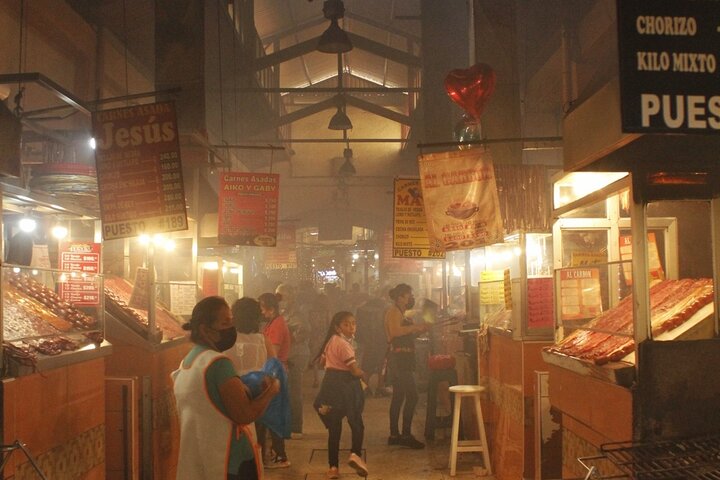
The covered markets are the best place to taste the range of Oaxacan food. In the smoky grill hall beside the 20 de Noviembre market, you buy cuts of meat, vegetables and tortillas, and the grill cooks them at your table. Elsewhere, stalls sell fresh juices, tamales, quesillo, dried chiles, chocolate and chapulines, the toasted grasshoppers seasoned with lime, garlic and chile that locals eat as a snack. A guided food tour is a good way to taste with confidence, and a cooking class that starts with a market visit shows you how to pick ingredients.
Chocolate and tejate
Oaxacan chocolate is stone-ground with sugar, cinnamon and often almonds, and it is traditionally dissolved in hot water or milk and whisked to a froth. The mills near the markets let you watch the beans being roasted and ground. Tejate is an older, cooler drink made from maize and cacao, served from a large bowl with a foam on top, and it is a refreshing market stop. Both make good gifts, since discs of chocolate and bags of cacao travel well.
Mezcal
Oaxaca produces most of Mexico's mezcal, a spirit made from agave that is roasted in earthen pits, crushed, fermented and distilled. Espadín is the most common agave, while wild varieties such as tobalá and tepeztate are rarer and more expensive. Drink mezcal slowly, in small sips, often with orange slices dusted with a salt made with ground chile and dried worm. A distillery visit, with agave fields, the roasting pit, the stone mill and a tasting, shows how the spirit is made, and a tasting bar in the centre is a good way to compare styles. Pace yourself, because mezcal is strong and the city is at altitude.
Where to eat and stay for food
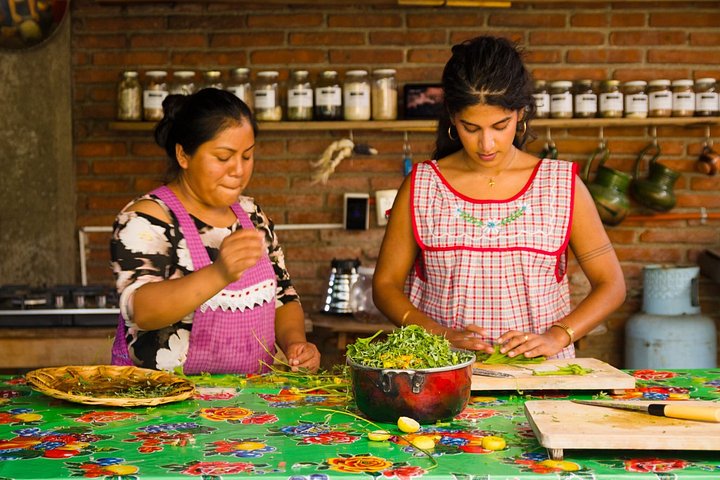
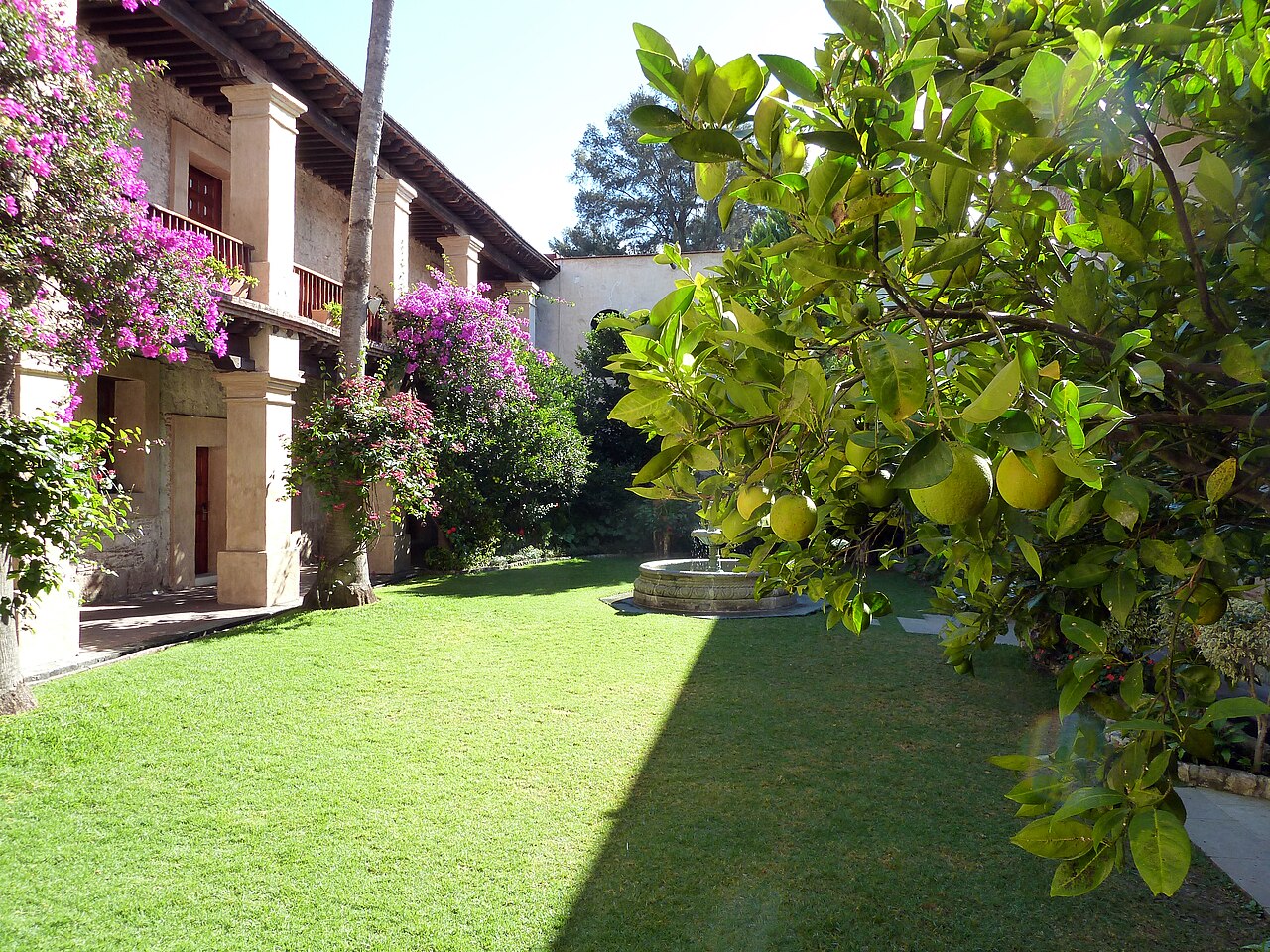
Casa del Sótano has a Mexican restaurant on site, while Quinta Real is known for its restaurants, which are a draw even for non-guests. Casa Antigua is close to many well-known eating streets, so you can step out for a meal. If you want a hands-on experience, choose a cooking class with a market tour and a mezcal distillery visit, and add a chocolate class if you like sweets. For adventurous eaters, a day in the Tlacolula market on a Sunday is a feast of barbacoa and local specialities.
Eating well and safely
Choose busy stalls with a steady turnover, drink bottled or purified water, and eat food that is cooked in front of you. Many restaurants close one day a week and some kitchens shut in the late afternoon, so check hours and book popular tables on weekends. Carry small bills for the market, and tell restaurants about any allergies, since nuts and seeds are common in sauces. With a little curiosity, you will eat some of the best meals of your life here.