Okinawa has a subtropical climate, so there is no bad season for a visit, only different trade-offs. Temperatures stay mild in winter and hot in summer, the sea is swimmable for much of the year in wetsuits and for roughly half the year without one, and each season has its own highlights. The right time for you depends on whether you value beaches, comfort, crowds, prices or specific events.
Spring: pleasant and busy
From March into April the weather warms, the humidity is still manageable and the island feels fresh. Early spring is a good time for sightseeing at Shuri Castle Park, Nakijin Castle and the south, with comfortable temperatures for walking. Beach season begins around April on many beaches, though the sea can still be cool, and the Golden Week holiday at the end of April and in early May is one of the busiest times of the year. Flights and resorts are expensive and roads are crowded, so book early or avoid that week.
Rainy season: May and June
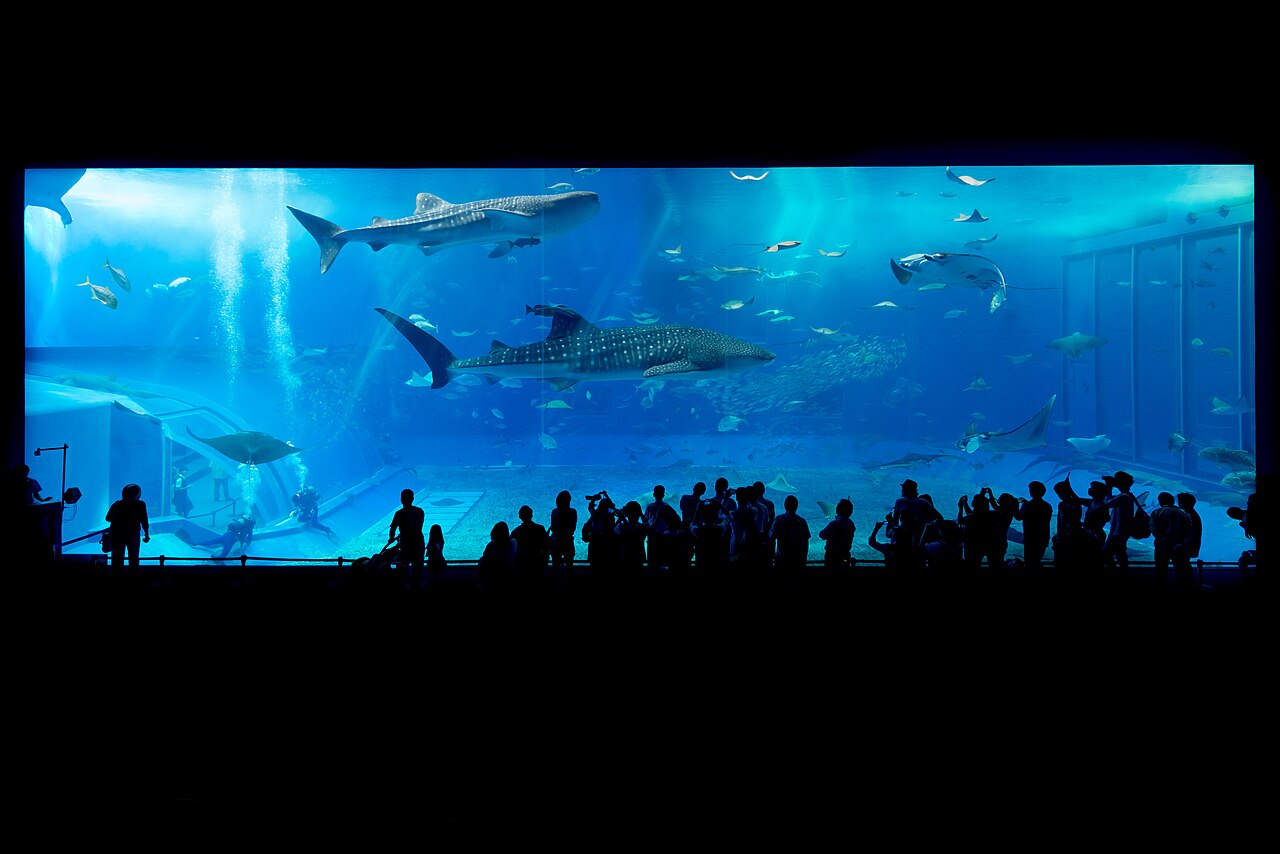
The rainy season arrives in May and runs through June, bringing grey skies, humidity and heavy downpours, though not constant rain. It is a quieter time with lower hotel rates, and the forest of Yanbaru is at its greenest. Indoor sights such as the Churaumi Aquarium, the museums and the caves at Okinawa World are good fallbacks. In May and June the rare Okinawa rail is raising chicks, and drivers should watch for wildlife on forest roads in the north.
Summer: hot, bright and busy
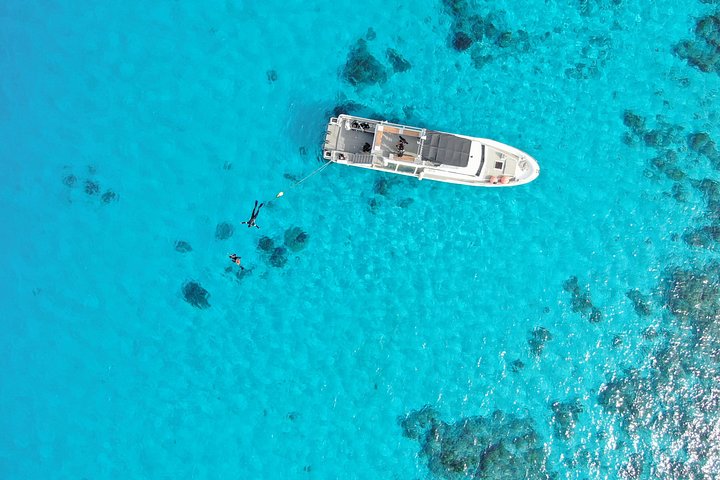
From July to September the sea is at its warmest and calmest, which makes it the classic time for snorkeling in the Kerama Islands, swimming on the Onna coast and diving. It is also hot and humid, with strong sun, so plan activities for the morning and late afternoon and carry water and sun protection. School holidays bring crowds and high prices, and the summer is the heart of the typhoon season, which can cancel boats, flights and activities with little warning. Keep a spare day in your plan and consider travel insurance.
Autumn: the sweet spot
October and November are often the best months, with falling humidity, comfortable temperatures and lighter crowds. The sea is still warm enough for swimming into October, and the typhoon risk reduces as the season passes. Sightseeing is pleasant, resort rates ease off outside holiday weeks and the light is soft for photography. Late autumn is a good time for castles, gardens and food, though beach days can be cooler and some water activities slow down.
Winter: mild and quiet
From December to February, temperatures are cooler than the summer but far warmer than most of Japan, and Okinawa is an escape for travellers who want to avoid cold weather. The sea is too cool for casual swimming, and some resort pools and beach facilities close, but it is a good season for sightseeing, hot springs and food. From roughly January to March humpback whales visit the Kerama waters, and whale-watching trips run from Naha. Cherry trees at Nakijin Castle bloom early, often in late January or February, and they are among the first in Japan. The New Year period is busy and expensive, while the weeks after it are among the quietest.
Choosing your month
For beaches and snorkeling, aim for June to September, accepting typhoon risk. For comfortable sightseeing and fewer crowds, choose October, November or March. For whales and cherry blossoms, go in late January to February. To save money, travel outside Golden Week, the summer holidays and the New Year. Whatever the season, keep your plans flexible, carry a light rain jacket and check the weather before you drive north or take a boat.
Booking and packing
Flights and resorts are cheapest outside the holiday peaks, so shoulder months such as early March, late October and November offer the best balance of price and weather. Pack light layers year round, because air-conditioned buildings can feel cold in summer and evenings can be cool in winter. Bring reef-safe sunscreen, a hat and sunglasses in every season, a compact umbrella or rain jacket for the wetter months and a rash vest if you plan to snorkel. If you travel in typhoon season, choose flexible bookings, keep an eye on forecasts and have an indoor plan ready for any day when the weather turns.