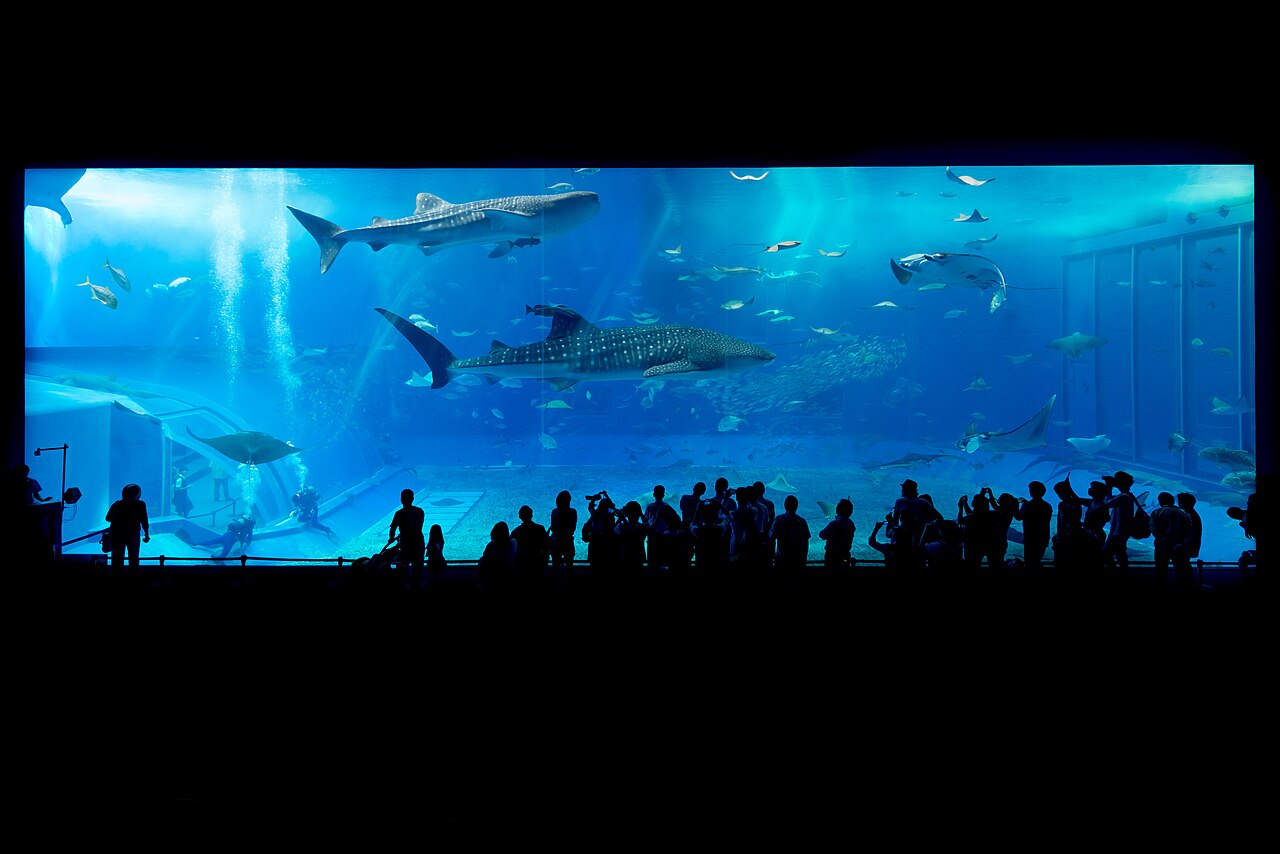
Okinawa is a long, narrow main island with a very different feel from the rest of Japan: warmer, slower, more openly friendly, and shaped by its own kingdom and its own cooking. A first visit works best when you treat it as two or three bases rather than one, because the sights are spread along a coast road that takes real time to drive. The southern half around Naha holds the history, the food and the airport, while the north holds the big aquarium, the beaches and the castle ruins.
What to book ahead
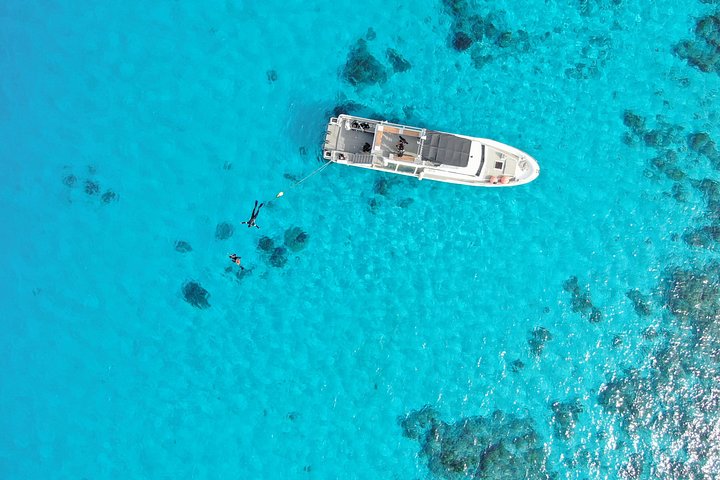
Very little is essential, but a few things reward planning. A rental car should be reserved early for school holidays, Golden Week, summer and the New Year period. The Kerama Islands snorkeling day trip runs on fixed boat schedules and can sell out in the warm months, and weather can move the date, so keep a spare day in your plan. Neo Park Okinawa and the DMM Kariyushi Aquarium tickets linked on this site are not refundable or changeable, so buy them once your dates are firm. Resort rooms on the north coast fill quickly in peak weeks, and the Churaumi Aquarium is simple to enter but busiest at weekends and holidays.
Getting around
In Naha you can manage without a car. The Yui Rail monorail runs from the airport through Makishi and Miebashi to Shuri Station for the castle, and taxis fill the gaps. Beyond Naha, public transport is slower, with long-distance buses to the north and the south, so most visitors rent a car for at least part of the trip. Driving is on the left, and visitors need a licence recognised in Japan, which for many countries means an International Driving Permit under the 1949 Geneva Convention, so check your own rules before you travel. Traffic around Naha can be heavy at rush hour, so give yourself time.
How many days
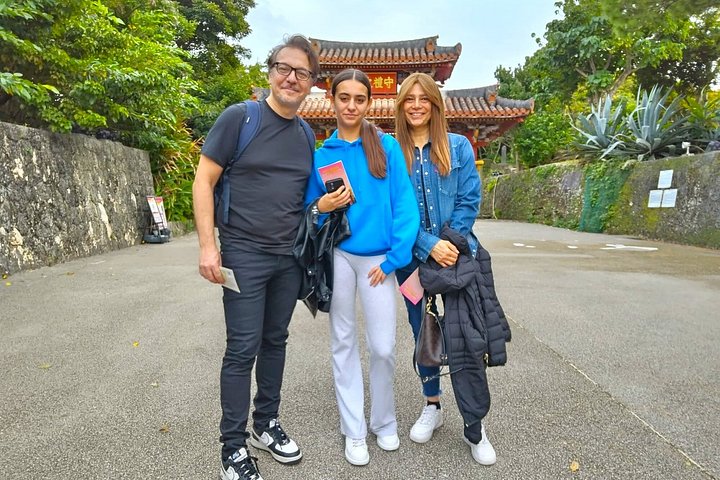
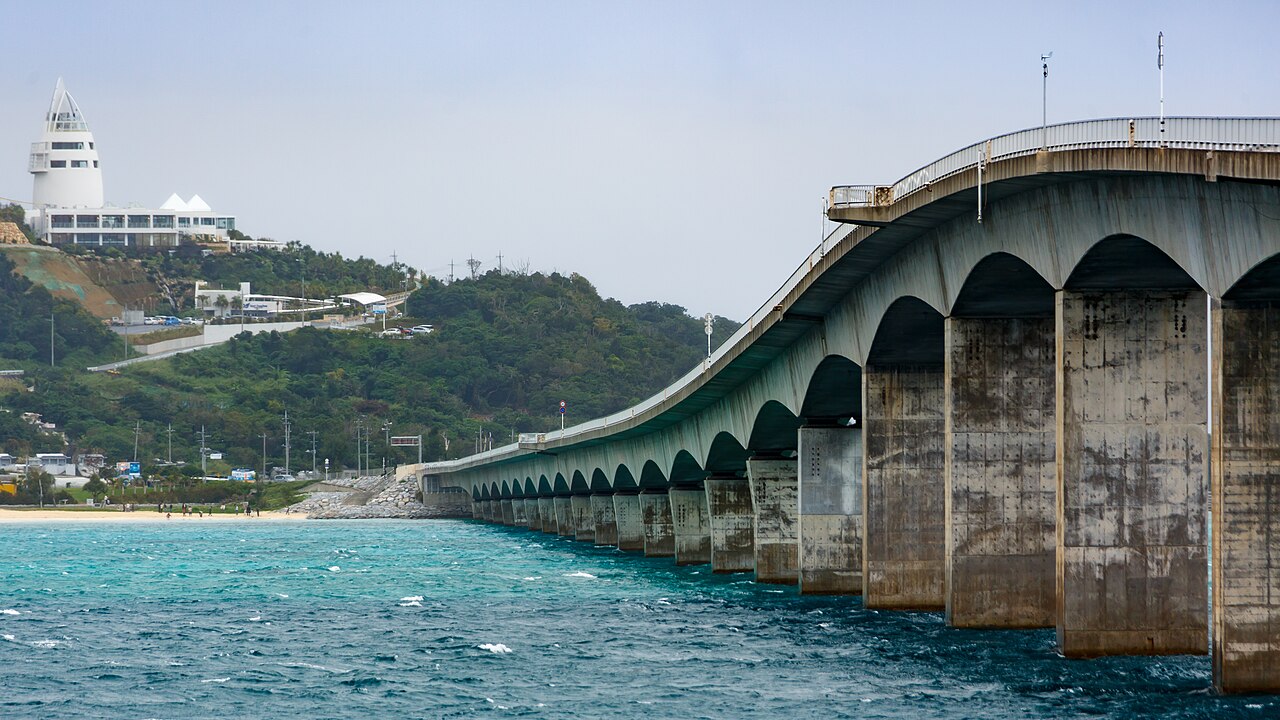
Three days covers the essentials, five lets you add a boat trip and a night in the north, and a week gives a proper rhythm of sightseeing and beach time. A good first day stays in Naha: Shuri Castle Park in the morning, lunch of Okinawa soba, Makishi Public Market and Kokusai Street in the late afternoon and an izakaya dinner. A second day heads north to the Churaumi Aquarium, Kouri Island and Nakijin Castle, ideally with a night in Nago or Onna. A third day could be the Kerama Islands by boat, or the south with Okinawa World and the Peace Memorial Park.
Food first
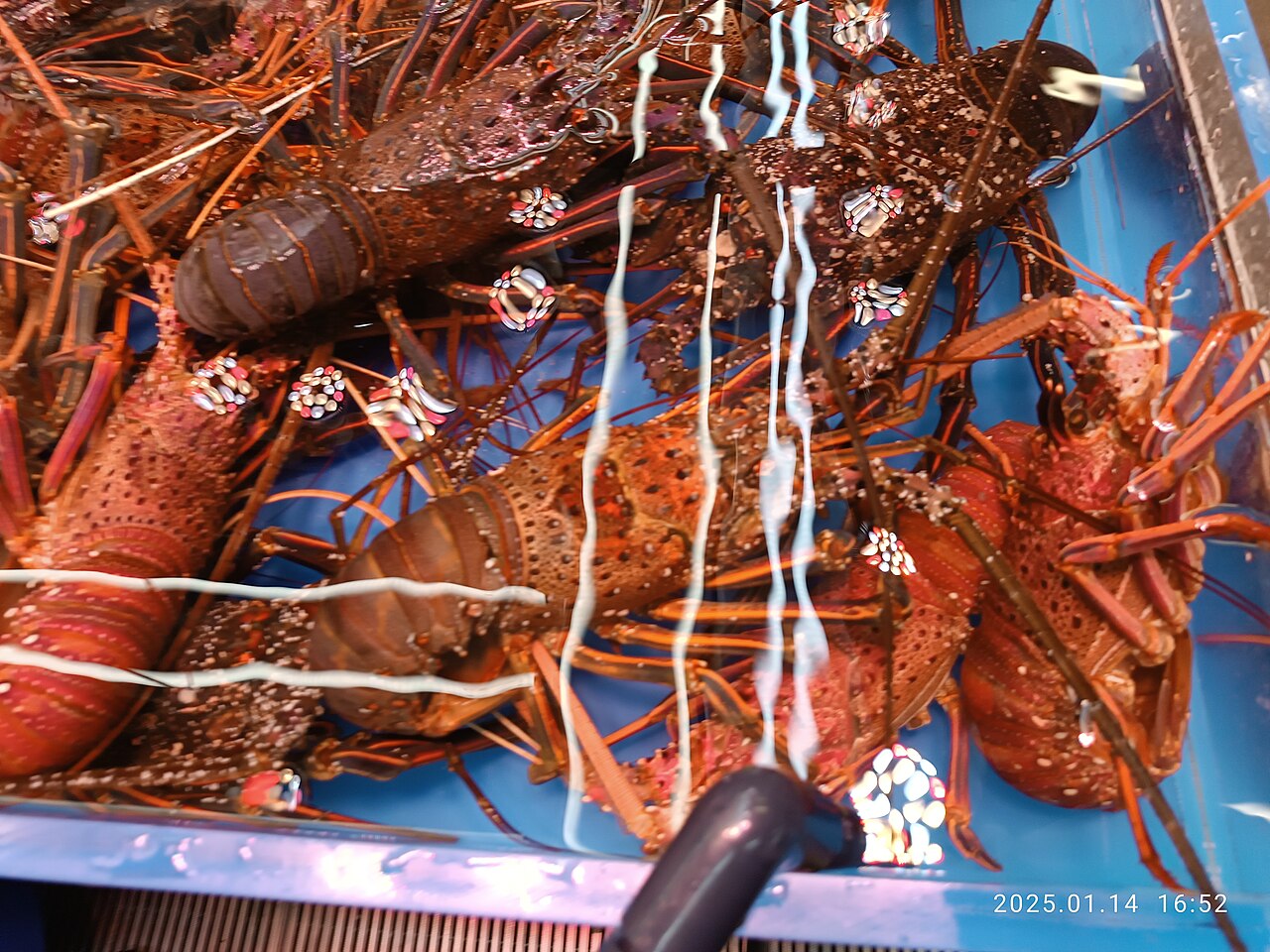
Okinawan cooking is its own tradition, with goya champuru, rafute braised pork, Okinawa soba, sea grapes and sweet potato in everything from tarts to ice cream. Eat in an izakaya for the widest range, try the market restaurants at Makishi and look for awamori, the local spirit, served on the rocks or with water. Many menus have pictures or English, and staff are used to visitors.
Seasons and timing
Spring and autumn are mild and pleasant, and November is comfortable for sightseeing though the sea is cooler. Swimming seasons on many beaches run from roughly April to October. The rainy season arrives in May and June, and typhoon season runs through the summer into autumn, so keep plans flexible. From about January to March humpback whales visit the Kerama waters and the cherry trees at Nakijin Castle bloom early.
Practical tips
Check current notices for Shuri Castle Park, where access changes as reconstruction continues, and for any typhoon warnings. Carry some cash for markets and small shops, remove shoes where asked and be respectful at memorial sites such as the Peace Memorial Park. Sun protection is essential even in winter, and a light jacket helps in air-conditioned places and in caves.