Okinawan food is its own tradition. It grew out of the Ryukyu Kingdom's trade with China and Southeast Asia, and it is shaped by a warm climate, pork, seaweed, tofu and a belief that food is medicine. The island is famous for the long lives of its older residents, and a plate of local vegetables, tofu and pork is a good way to see why. Eating well here is easy because the best places are not fancy: market restaurants, izakaya and small family shops.
Dishes to try first
Okinawa soba is a bowl of thick wheat noodles in a clear pork and bonito broth, usually topped with braised pork belly or spare ribs and pickled ginger, and it is the island's everyday lunch. Goya champuru stir-fries bitter melon with tofu, egg and pork, and the word champuru means mixed, a nod to the island's blend of cultures. Rafute is pork belly simmered until it is soft in awamori, soy and sugar. Taco rice, a local invention that puts taco filling over rice, is a popular casual meal, and jimami tofu, made from peanuts, has a silky texture that surprises visitors. Look for umi-budo, or sea grapes, small green bubbles of seaweed that pop in the mouth, and mozuku, a slippery seaweed served in vinegar.
Where to eat in Naha
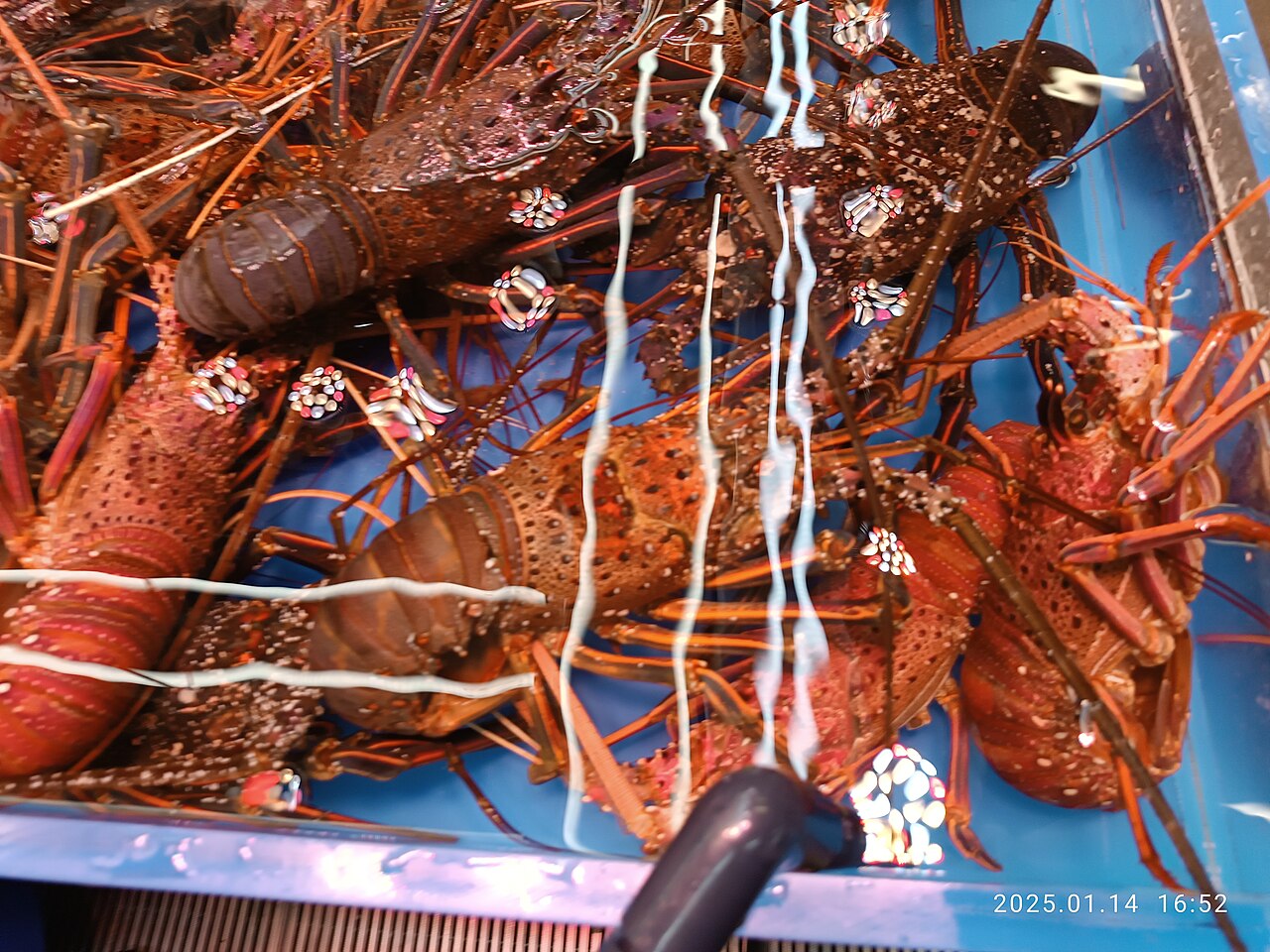
Makishi Public Market is the best place to see the island's ingredients, with colourful fish, pork and tropical produce, and an upstairs floor where restaurants will cook what you buy below. Kokusai Street and the alleys around it hold izakaya, where small plates and drinks let you sample a wide range, and the covered arcades are lined with soba shops and sweet stalls. For a quieter meal, look for family-run restaurants in the side streets of Shuri, near the castle, which are good for lunch after the walk up the hill. Many menus have photographs or English, and staff are used to visitors, so ordering is easy. Booking is wise for popular izakaya at weekends.
Awamori and other drinks
Awamori is the island's distilled spirit, made from long-grain rice and aged in clay pots, and it is gentler than many visitors expect. Try it on the rocks, with water or in a cocktail, and look for aged versions called kusu, which have a deeper, rounder flavour. Beer from Orion, the local brand, is the standard companion to a meal. Soft drinks include shikuwasa, a small citrus fruit, and sugar cane juice, and a cup of tea with sweet potato tarts is a classic afternoon break. Several distilleries around Shuri, Naha and the south offer tours and tastings, and some small bars around Kokusai Street give guided awamori flights.
Food in the north and the south
In the north, harbour restaurants in the Yanbaru area serve fresh fish and seafood bowls, and roadside stalls sell fruit such as pineapple, mango and dragon fruit in season. The Churaumi area has cafes with views over the sea, and the Onna coast has plenty of resort restaurants. In the south, small restaurants around Okinawa World and the Peace Memorial Park serve soba and set meals, and the cave park has a cafe and shop with local sweets and awamori.
Practical tips
Carry some cash for small shops, remember that many restaurants close in the afternoon between lunch and dinner and tell staff in advance about allergies, since pork, fish stock and bonito appear in many dishes. Vegetarians can find champuru without meat if they ask, though stock is often animal-based. Tipping is not expected. Leave room for dessert, because a bowl of shaved ice topped with sweet beans and brown sugar syrup, or a plate of sata andagi, the island's fried doughnuts, is one of the best ways to end a day of eating.
A simple eating plan
If you have only a few days, aim for one soba lunch, one market visit and one izakaya dinner in Naha, then one seafood meal in the north and one café stop with sweet potato tarts or shaved ice. That covers the main flavours without a rigid schedule. Ask the staff what is in season, because fish, vegetables and fruit change through the year, and do not be afraid to point at what the next table is eating. Many of the best meals on the island come from small places with a handwritten menu and a friendly owner, so wander a little and trust your nose.