Three days is enough to see the best of the main island if you accept that you cannot see everything. Okinawa is long and narrow, the roads are slower than the map suggests, and the sights fall into three clear groups: the city of Naha and its royal history, the north with its aquarium and coast, and the islands and the south. This plan gives each group a day, with a rental car for the middle day and public transport or taxis for the others.
Day one: Naha and the kingdom
Start in the morning at Shuri Castle Park, taking the Yui Rail monorail to Shuri Station and walking up through the gates. Allow two to three hours for the walls, the sacred sites and the exhibits on the Ryukyu Kingdom, and check the park's current notices because access inside the main hall changes with the reconstruction. If you have energy, add the royal garden at Shikinaen or the ruins at Urasoe, which show the kingdom's earlier and quieter side. For lunch, have Okinawa soba in a Shuri side street, then head back to the centre and spend the late afternoon at Makishi Public Market and along Kokusai Street. Finish with dinner in an izakaya, ordering goya champuru, rafute and a glass of awamori.
Day two: the north
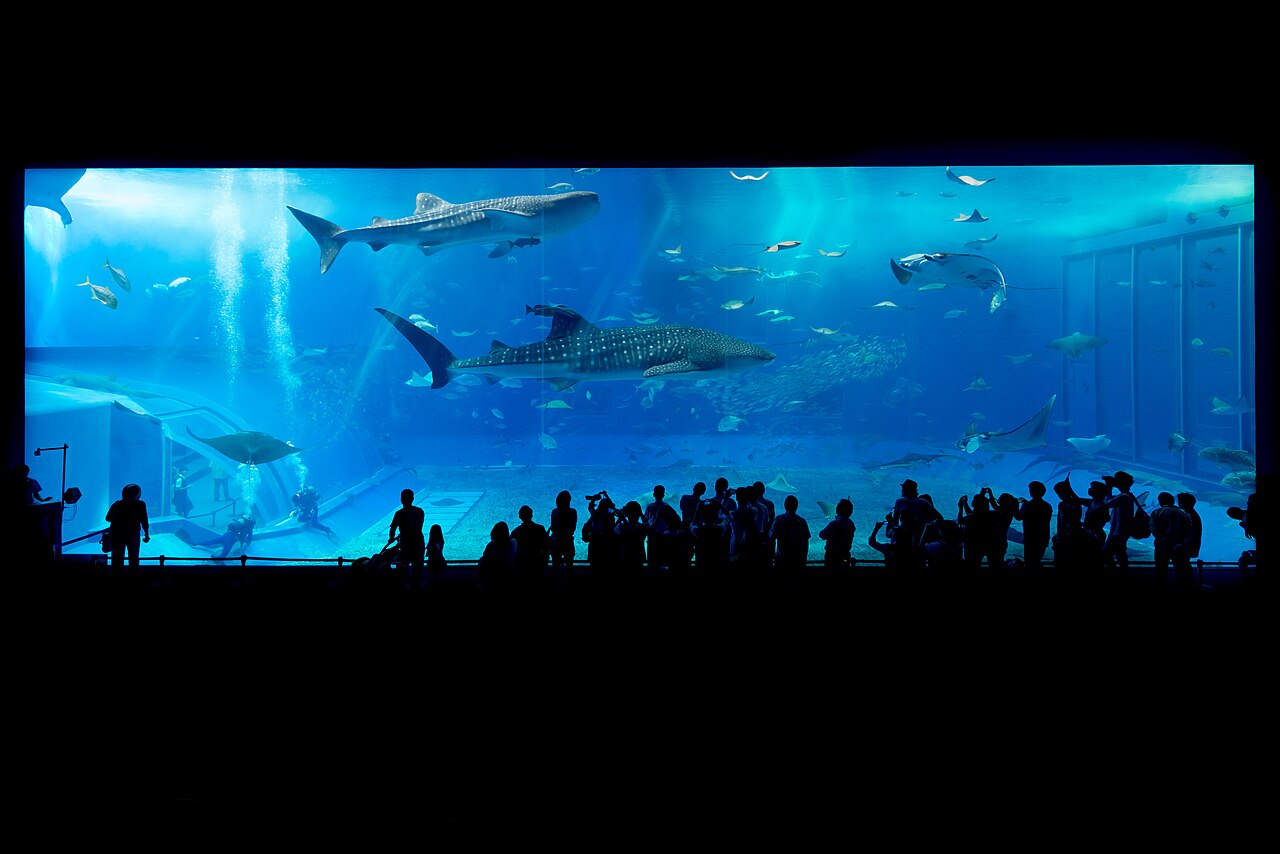
Collect a rental car in Naha and drive north early, aiming to reach the Churaumi Aquarium soon after it opens, when the Kuroshio Sea tank is calmer. Plan three hours inside, with the outdoor dolphin show and the turtle pool before you leave, because those finish earlier in the day than the main building. In the afternoon, cross the bridge to Kouri Island for the tower and the beaches, or drive to Nakijin Castle for the long stone walls and views of the sea. The aquarium is roughly two hours from Naha without heavy traffic, so many visitors sleep in Nago or on the Onna coast and avoid a long drive back in the dark. If you want a slower day, swap the castle for Cape Manzamo and a sunset on the Onna coast.
Day three: the sea or the south
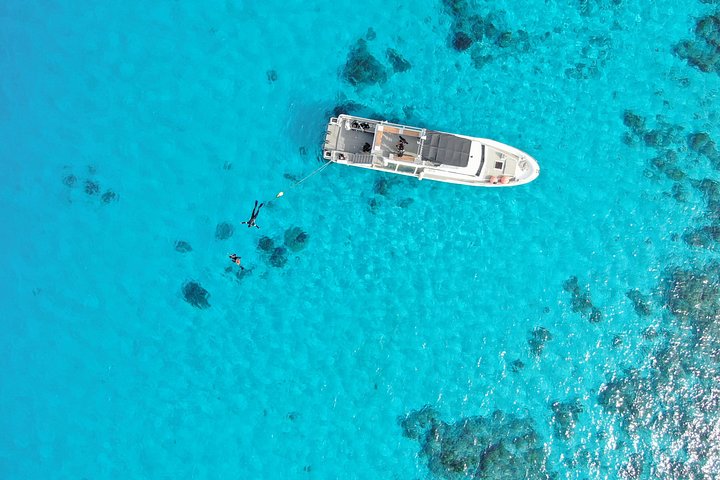
You have two excellent choices. The first is the Kerama Islands by boat from Naha, a full day of snorkeling in some of the clearest water in Japan, with a good chance of sea turtles. It runs on fixed boat schedules and weather can move the date, so it is the best day to protect with a spare. The second is the south by car: Sefa Utaki, the most sacred forest sanctuary of the old kingdom, then the caves and cultural park at Okinawa World, and finally the Peace Memorial Park at Mabuni, a quiet and affecting end to the trip. If you are travelling in a group with different interests, one half can do the boat and the other the south.
How to adapt the plan
In winter, when the sea is cooler, swap the snorkeling day for the south or add a whale-watching trip in the Kerama waters from roughly January to March. In the rainy season, build in indoor options such as the aquarium and the museums, and in typhoon season keep flexibility. With a fourth day, add a night on the Onna coast and see Katsuren and Nakagusuku, the two best preserved castles on the east side. With children, cut Shuri to the gates and add Neo Park or the DMM Kariyushi Aquarium in the evening.
Practical tips
Reserve a rental car early for school holidays and Golden Week, remember that driving is on the left and that an International Driving Permit is required for many visitors, and carry some cash for markets and small shops. Collect your car in Naha on the morning you leave the city rather than at the airport, so you are not paying for parking while you explore on foot. Wear sun protection even in winter, take a light jacket for air-conditioned spaces and caves, and remove your shoes where asked. Whatever you choose, leave margins around each stop, because the island's pace rewards a relaxed schedule.
If you have extra time
A fourth or fifth day lets you slow down rather than add more sights. Spend a night on the Onna coast and treat the beach as a real part of the trip, with a morning swim and an afternoon at Cape Manzamo. Or use the extra day for the central ridge, where Nakagusuku and Katsuren castles sit within a short drive of each other and the island causeway offers a quiet fishing-village lunch. Evenings are best kept simple, with one good meal near your hotel rather than a long drive back. A relaxed rhythm of one big sight in the morning, a long lunch and one light stop in the afternoon suits the island far better than a packed schedule.