Oslo has become one of Europe's more interesting food cities, with a growing scene built on very good seafood, dairy, game and a revived respect for traditional cooking. It is also one of the most expensive places in Europe to eat, so a little knowledge goes a long way. The rule of thumb is simple: make lunch your main meal out, treat dinner as an occasional event and use markets and food halls to taste a lot for a little.
Dishes to look for
Seafood is the foundation. Salmon appears in every form, from smoked to cured with dill as gravlaks, and there is excellent fish soup, cod and shellfish. In summer, shrimp sold straight from fishing boats at the harbour is an Oslo ritual: buy a paper bag of cooked shrimp, add bread, mayonnaise and lemon, and eat on the quay. Meat dishes include kjøttkaker, Norwegian meatballs served with gravy and lingonberries, and in autumn fårikål, the national dish of lamb and cabbage slow-cooked together with peppercorns. At Christmas, look for pinnekjøtt, cured lamb ribs, though lutefisk is very much an acquired taste. For something simple, a hot dog wrapped in a soft potato flatbread called lompe is a classic street snack.
Sweet things and coffee
Norwegians drink a great deal of coffee, usually light-roasted and strong, and the city has a serious specialist coffee culture. Pair it with a skillingsbolle, the Oslo cinnamon bun, or a heart-shaped waffle with sour cream and jam, called vafler, which is a hit with children. Brunost, the sweet brown goat's cheese, is shaved thin onto bread or waffles and divides opinion: try it once, because it is distinctly Norwegian.
Food halls and markets
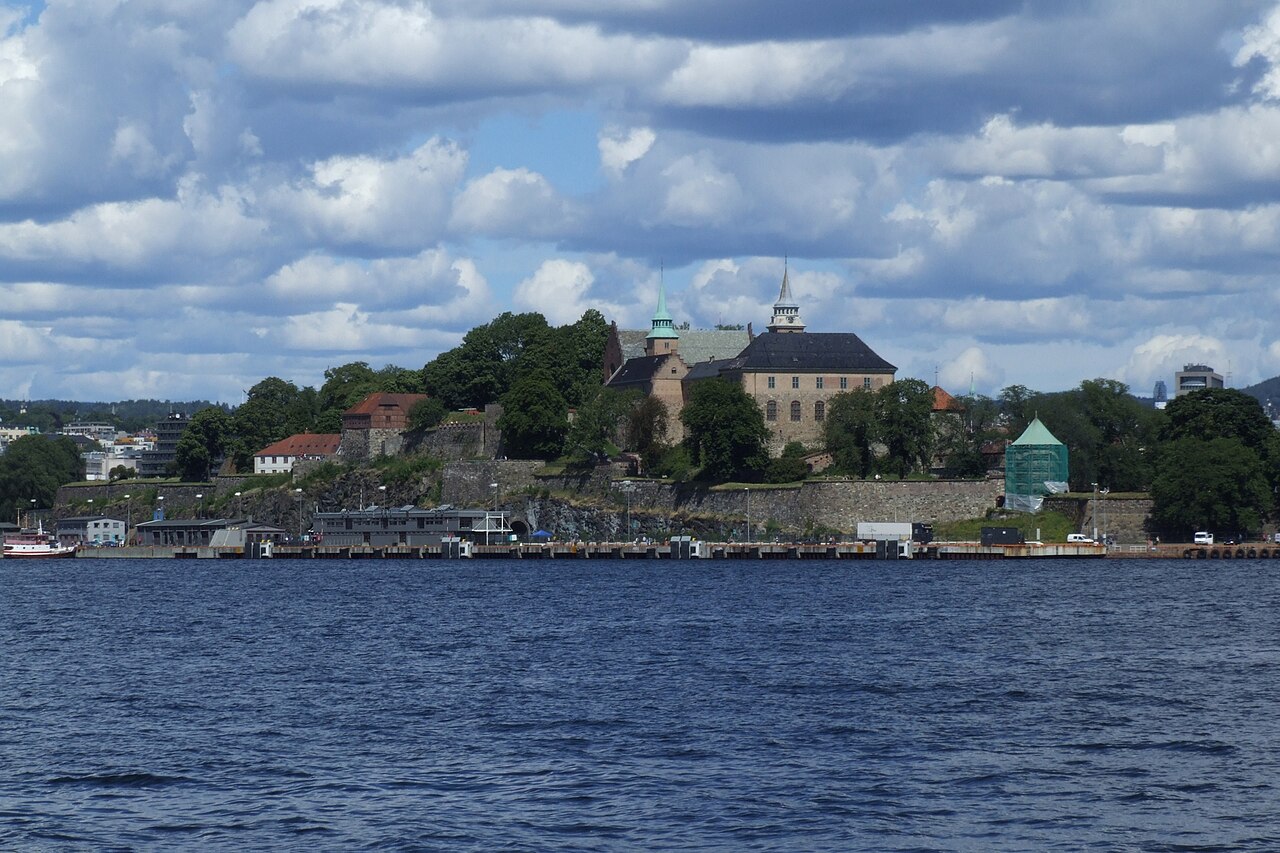
Mathallen at Vulkan is the best single stop for a food-minded visitor, a large hall of small producers, delis, bakeries and counters serving everything from seafood to pizza to Norwegian cheese. It sits beside the Akerselva river, so you can combine it with a riverside walk, and it is beside Scandic Vulkan if you want to stay in the neighbourhood. The Vippa food hall on the waterfront near Akershus Fortress offers a similar mix of street-food counters with fjord views. These halls are ideal for lunch, because you can try several dishes and spend far less than in a sit-down restaurant.
Neighbourhoods for eating
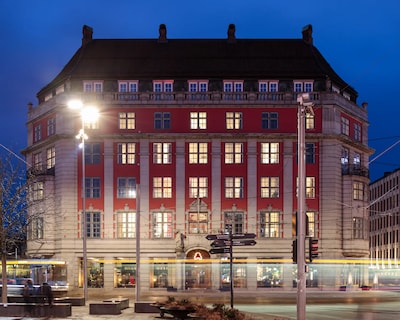
Grünerløkka is the place for casual cafes, bars and brunch, with a young, creative atmosphere. Aker Brygge and Tjuvholmen on the western waterfront have a polished, higher-priced scene with outdoor tables in summer. The streets around Karl Johans gate offer more traditional restaurants and hotel dining, including the old cafes in the grand hotels, while the east side of the city around Grønland is the place for varied, affordable international food. If you are staying near the station, Amerikalinjen's brasserie and bars are convenient options.
Drinks and the rules
Alcohol is heavily taxed, so a beer or cocktail in a bar costs far more than in most countries. Wine and spirits are sold in the state-run Vinmonopolet shops, with limited opening hours, while supermarkets sell beer and cider only at restricted times and not on Sundays. The local craft beer scene is good, and a tasting flight in a brewery bar is a better use of money than a long evening of pints. Tap water is excellent and free, so carry a bottle.
Money-saving tips
Eat the largest meal at lunch, when many restaurants offer a fixed-price daily dish. Use supermarkets for breakfast and picnics, especially if your hotel breakfast is not included. Tipping is modest: rounding up or adding a small amount for good service is enough, and service is usually included in the price. Cards are accepted almost everywhere, so you rarely need cash.
A simple plan
Begin a day with coffee and a bun in Grünerløkka, walk the river to Mathallen for lunch, spend the afternoon in a museum and end with shrimp on the harbour in summer or a bowl of fish soup in winter.
Ordering well
Menus often list a dish of the day, and asking what is freshest, especially in a seafood restaurant, usually gets a better meal than choosing from the long list. Portions are sensible rather than huge, so sharing a starter is a fair way to stretch the budget, and the bread and butter that arrive at the table are often worth saving room for.