Oslo changes dramatically with the seasons, and the right time to visit depends on what you want from the city. Summer is for the fjord and long light, winter for snow, skiing and cosy museum days, and the shoulder seasons for lower prices and quieter sights. Here is how each season feels, with the sights that suit it best.
Summer: June to August
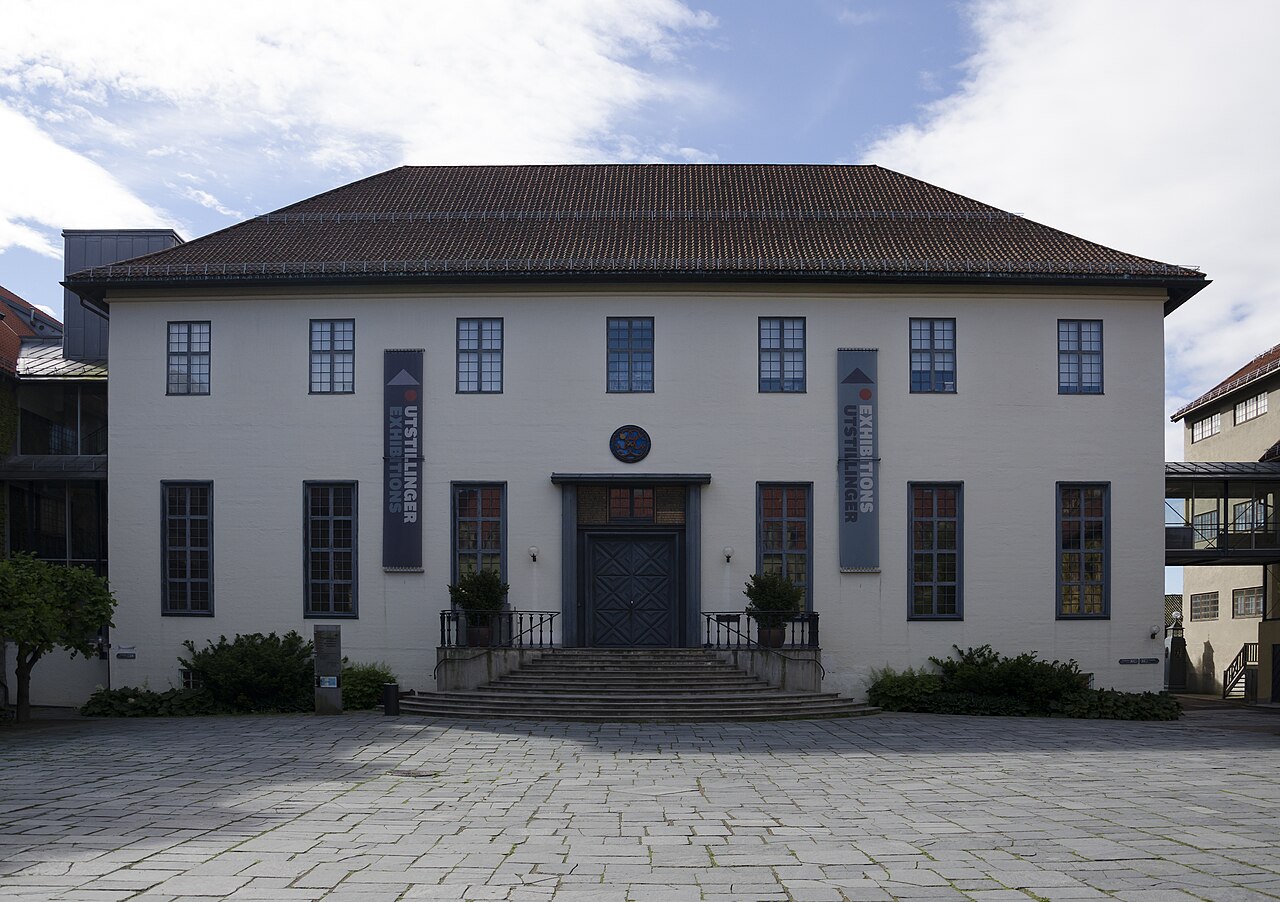
This is the peak season, with the longest days, the warmest weather and the fullest schedule of activities. Daylight stretches deep into the evening, and the city seems to live outdoors, with terraces, harbour-side shrimp, swimming from rocks and long walks. The public ferries to the fjord islands run frequently, so Hovedøya is at its best, and the seasonal ferry to the Bygdøy museums operates from the City Hall pier. The open-air Norsk Folkemuseum offers craft demonstrations and folk music in the summer months, and a fjord cruise is at its most enjoyable. The drawbacks are higher hotel rates and larger crowds at the headline sights, so book MUNCH and your hotel early. Some locals leave the city in July, so a few smaller restaurants and shops may close.
Autumn: September to November
Early autumn is a lovely time: the weather is crisp and often clear, the forests around the city turn gold and the crowds thin. The Akerselva river path and the hills around Holmenkollen are especially beautiful. Museums and food halls are in full swing, and traditional dishes such as fårikål appear on menus. Daylight shortens quickly, so by November you should plan outdoor sights for the middle of the day and museums for the afternoon. Island ferries thin out and the seasonal Bygdøy boat stops, but bus 30 runs all year.
Winter: December to February
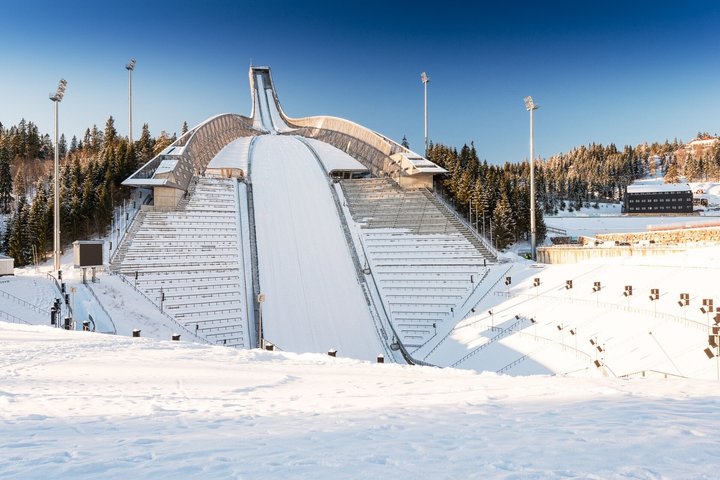
Winter is dark and cold but atmospheric, and it suits visitors who want something different. Daylight is short in December, which makes museums, cafes and saunas the stars of the day. Snow often settles on the hills, and the Holmenkollen ski museum and jump tower are especially striking in this season. Oslo is one of the few capitals where you can take a metro to the edge of a forest and go cross-country skiing, and there are sledding routes on the hillsides. In December, the city fills with Christmas markets and lights, and the Nobel Peace Prize is awarded in City Hall on 10 December, so access to the building around that date is limited. Dress in layers, wear shoes with good grip and plan outdoor time around the middle of the day. Hotel rates are often lowest in January and February.
Spring: March to May
Spring is a season of change. Early spring can still be wintry, with snow in the hills and ice on the paths, but by April the light returns, the parks fill with blossom and the river falls of the Akerselva run strongly with meltwater. May is a particularly pleasant month, with long days, fresh green and fewer visitors than summer. Ferry service to the islands begins to build, but swimming water is still cold. Rates are often more moderate than in summer, and the sights are quiet.
How to choose
For swimming, islands and outdoor dining, go in June to August. For the best balance of weather, light and price, choose May or September. For skiing, snow and a cosy winter break, go in January or February, and for festive atmosphere, go in December. If museums are your priority, any season works, since the great collections are indoors.
What to pack
Weather can change quickly in any season, so layers are essential: a waterproof jacket, comfortable walking shoes and a warm layer even in summer evenings. In winter add a warm coat, hat, gloves and shoes with grip. Norway is almost cashless, so carry a card.
Where to stay
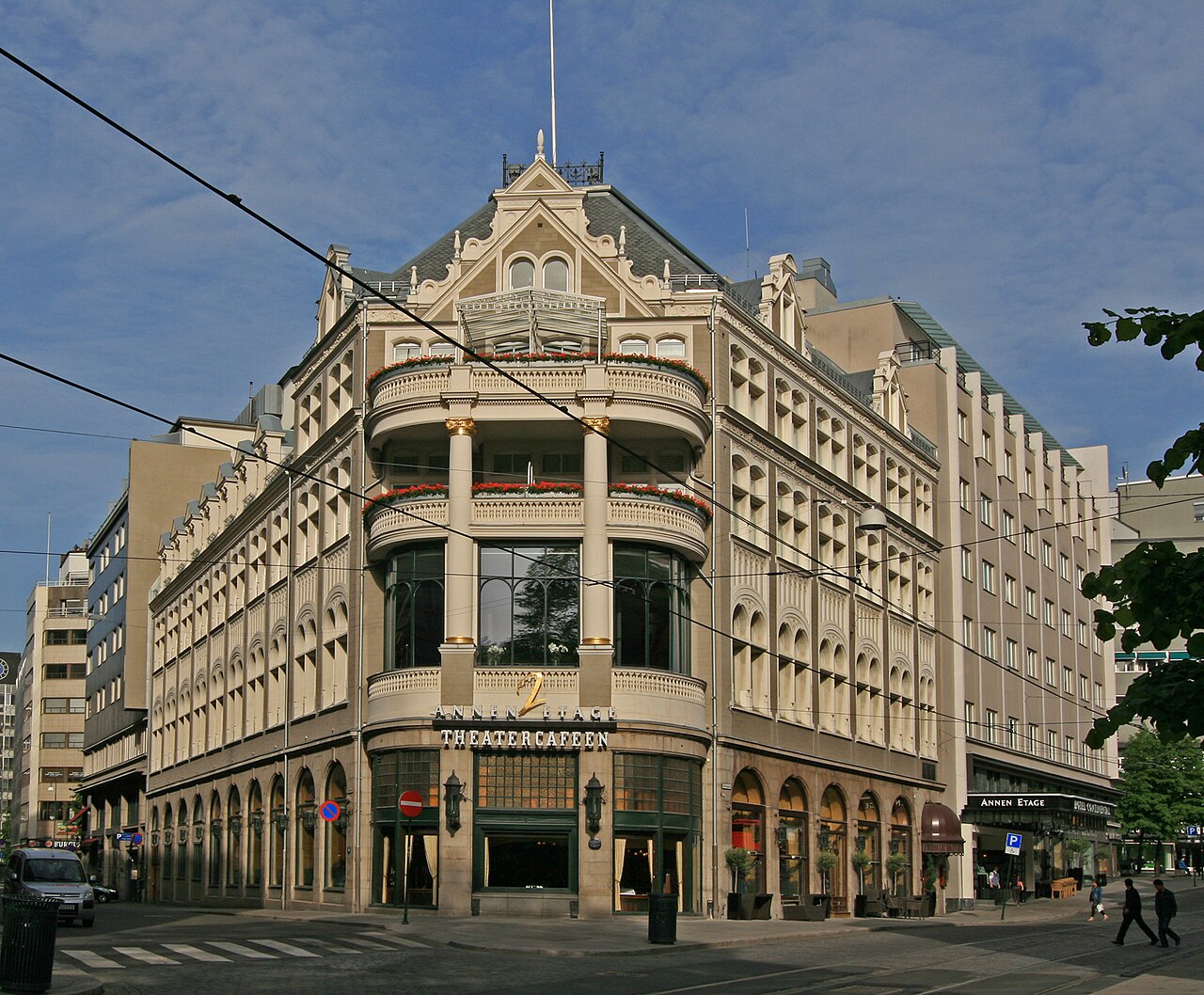
Central hotels such as the Grand Hotel and Hotel Continental are convenient in any season, while The Thief on Tjuvholmen, with its spa and heated pool, is a superb winter retreat.
A word on daylight
The light is the biggest difference between seasons. Around midsummer the sky stays bright until very late, which gives you extra hours for the fjord and the parks, while in midwinter the sun is low and the day is short, so start early and put the outdoor highlights around midday. Either way, the museums keep the same hours, so a rainy or dark day is never wasted.